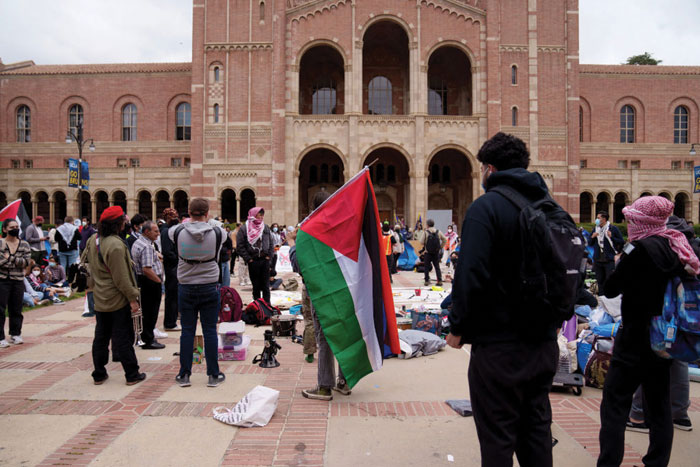
Although I was in high school on Oct. 7, my college experience has still been shaped by the memory of that horrible day. I’ve heard that there was a “before times” from upperclassmen: a quad without demonstrations, a classroom without one-sided political messaging, a social media feed without open discrimination or a walk to class without harassment, but we have never experienced them ourselves. It’s unlikely we ever will.
Last spring, I was hatefully targeted for being openly Zionist on campus and tabling for my chapter of Students Supporting Israel. A classmate aggressively approached me and shouted, “Christianity, which says love everyone, meanwhile your Bible says eating with someone who is a non-Jew is like eating with an animal. That’s what the Talmud says.” (The Talmud says no such thing.)
Students like me have come to understand that pro-Israel students being othered is the new campus normal. It shouldn’t be.
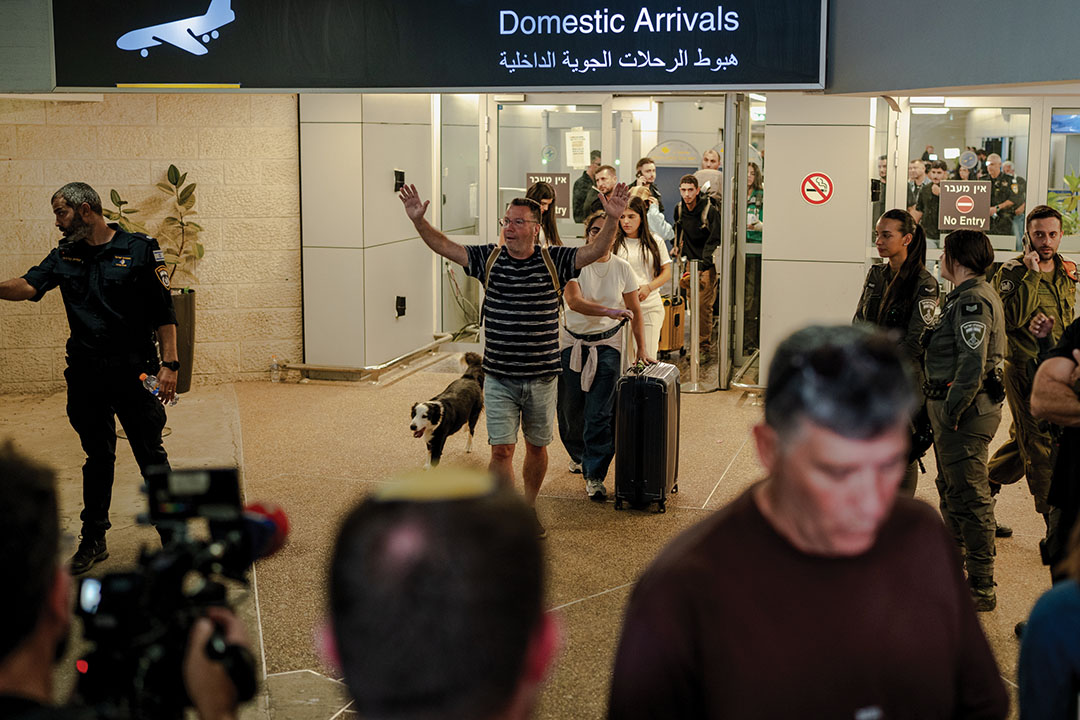
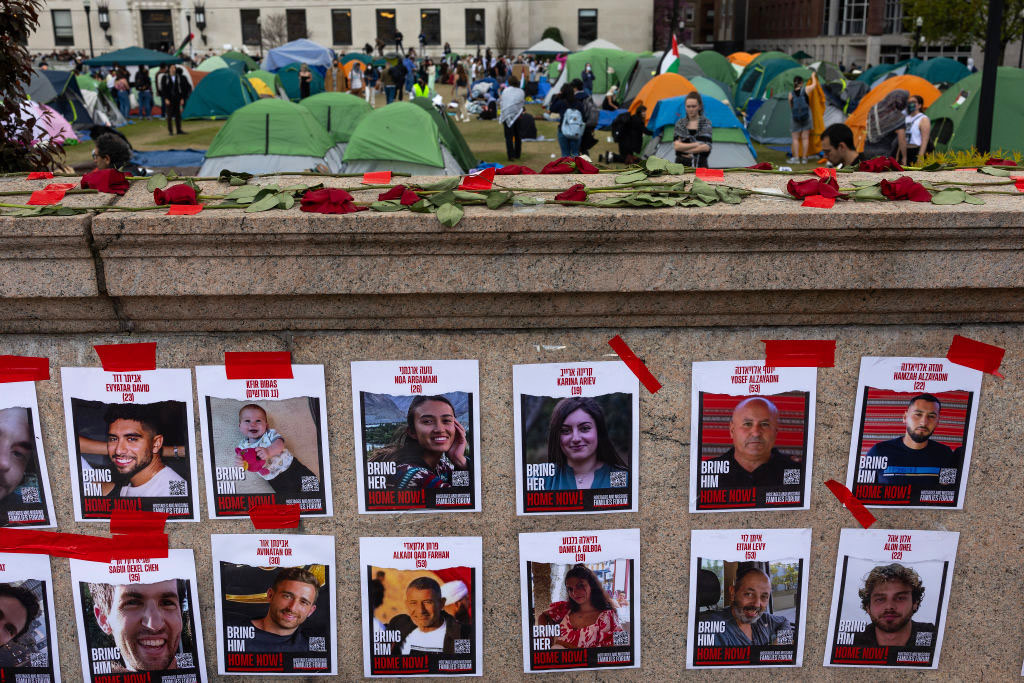
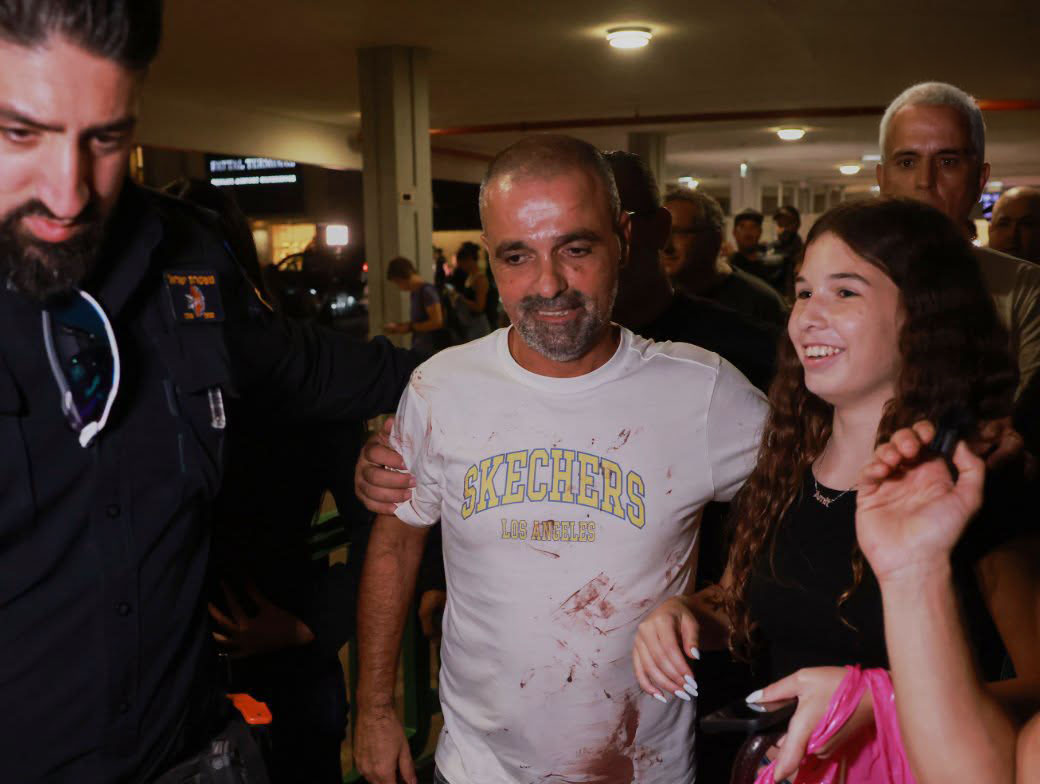
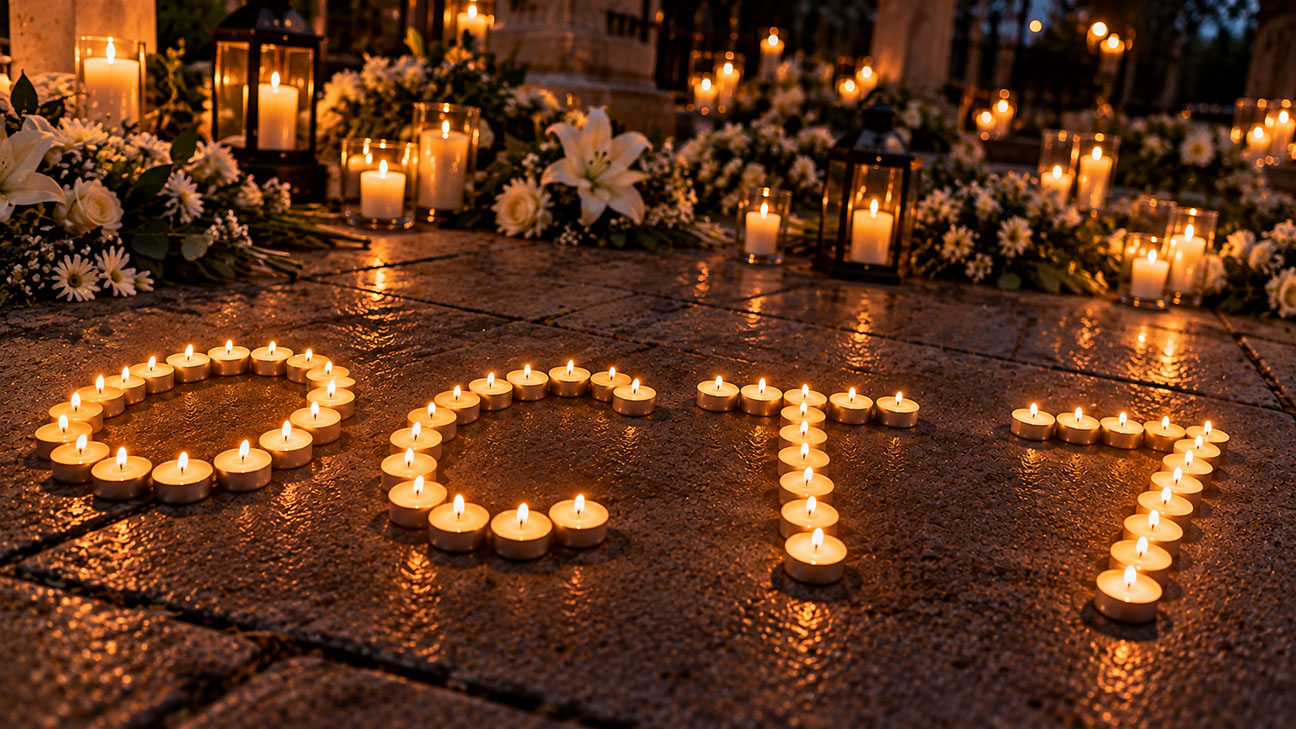
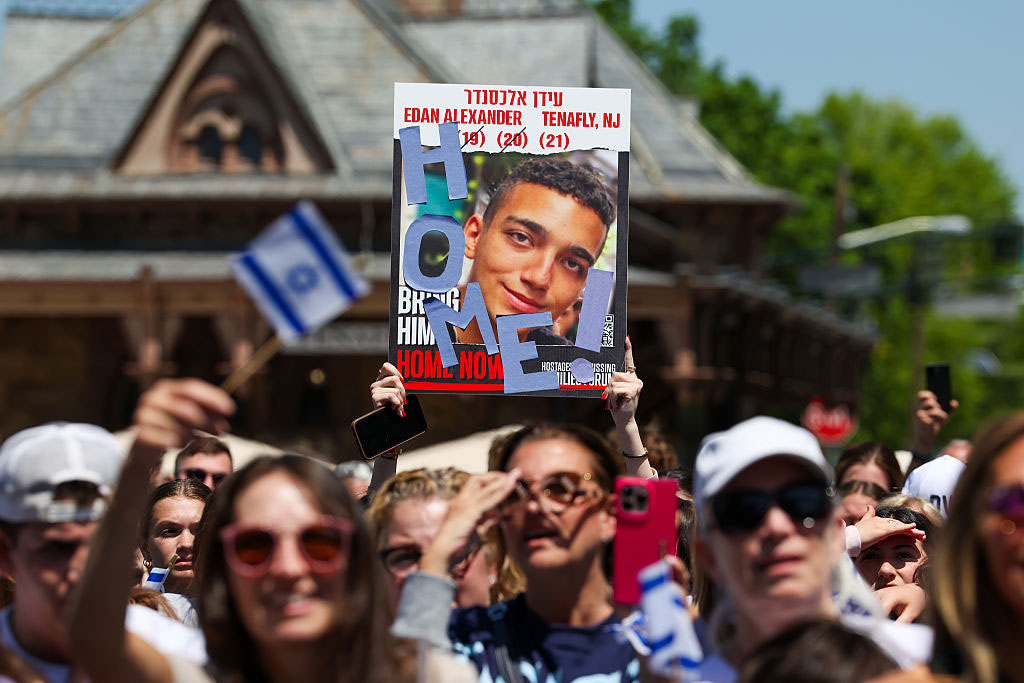
This October marks three years since thousands of Hamas-led terrorists breached Israel’s border and carried out the deadliest massacre of Jews since the Holocaust. Twelve hundred people were slaughtered – nearly 400 of them at the Nova music festival, many of whom were young adults like me, simply celebrating music, freedom and peace in the desert. There were 251 hostages taken into Gaza, ranging from infants to grandparents. For most Jews, this was not simply a geopolitical event in a far-off land. It was, and remains, deeply personal.
Even as the encampment movement sharply declined after 2024, the legacy of the hateful movement is palpable in many ways. Forty-seven percent of Jewish students experienced prejudice on the basis of their Jewish identity during the 2025–26 academic year, with 37% reporting that they perceived their campus as hostile toward Jews. We saw online harassment increase by nearly 185% during the 2024–25 academic year. That’s exactly the kind of environment new students like me are walking into. This dark chapter in Jewish history is far from being over.
I felt that reality not long after arriving on campus. While tabling for Students Supporting Israel, I quickly learned that simply standing behind that table could make me a target. What should have been an ordinary afternoon became something much more unsettling, and the hostility did not end there. I was later attacked in posts that presented a false account of the encounter, their followers directed to target me. What had been a brief campus interaction was suddenly amplified to hundreds of thousands of strangers, some of whom began trying to identify and find me.
Since then, being openly Jewish and pro-Israel on campus feels less like a simple expression of identity and more like a calculation: Who am I talking to? Who is filming? Could this end up online? Will saying where I am from change the way someone sees me? Those are questions that should never become normal parts of a college experience, yet many Jewish students in the years after Oct. 7 ask themselves these questions every day.
As we return to campus and commemorate this horrific event, parents, alumni and others in our community need to understand that the battle for our rights is far from over. Even though it appears that visible, open discrimination has become less acceptable again, the rot in these institutions will continue to stain our experiences until it is exposed and rooted out. That may be outside the purview of students and our families, but we can still fight back.
The most important thing is for us to remain proud of who we are and what we stand for. We must not allow others to marginalize, attack and exclude us on the basis of our heritage and connection to our ancestral homeland. We must continue to hold our academic institutions and educators accountable for their failures and remember what we are fighting for. No student should be forced to walk into this kind of environment, and it won’t improve for future generations unless we hold our heads high and keep pushing back.
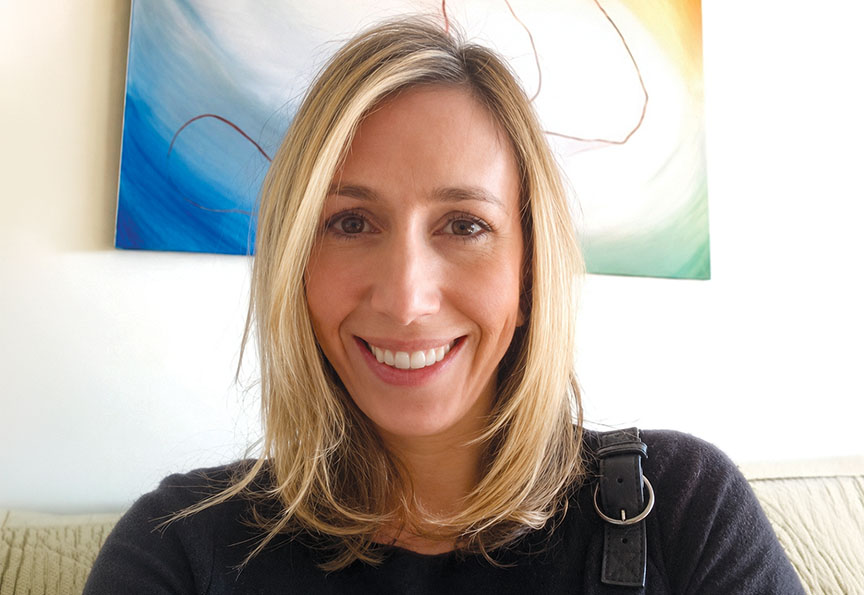
Ella Leon is a sophomore at the University of Miami, majoring in Political Science, Artificial Intelligence, and Judaic Studies. Ella serves as the Vice President of Students Supporting Israel, Co-President of her AIPAC on Campus Cadre, Associate Chief Justice of the University’s Supreme Court, and more.