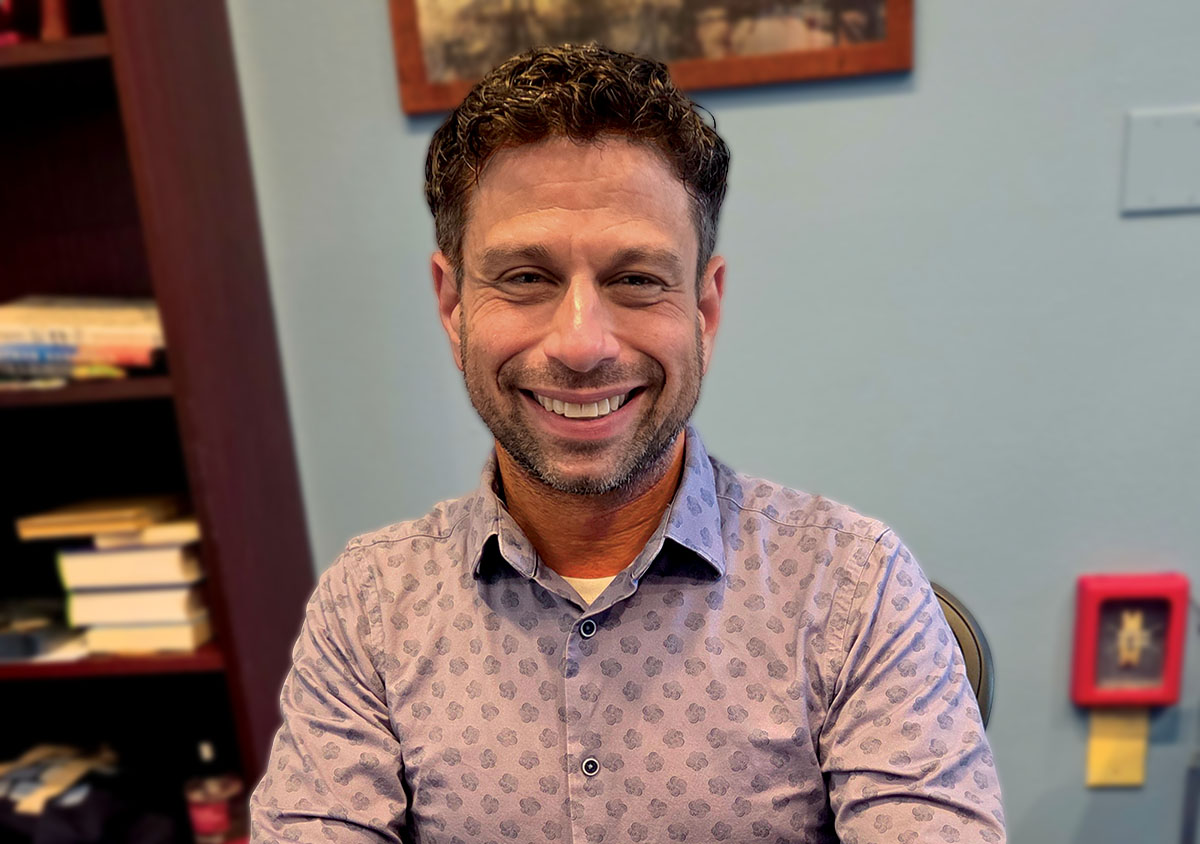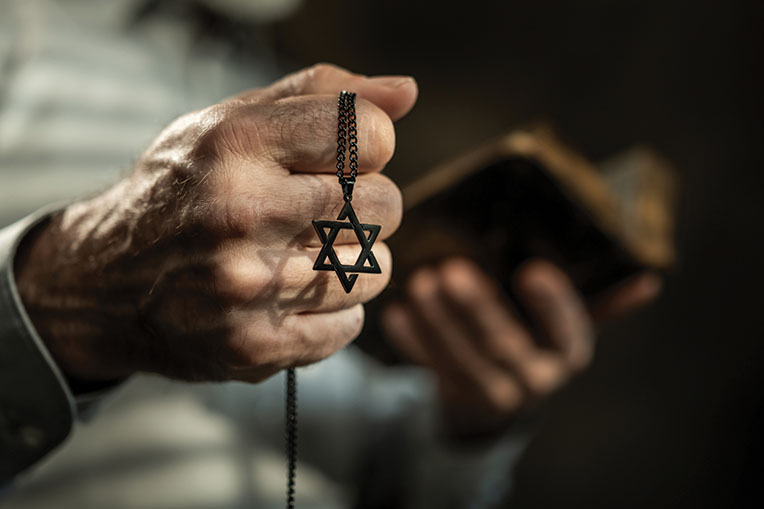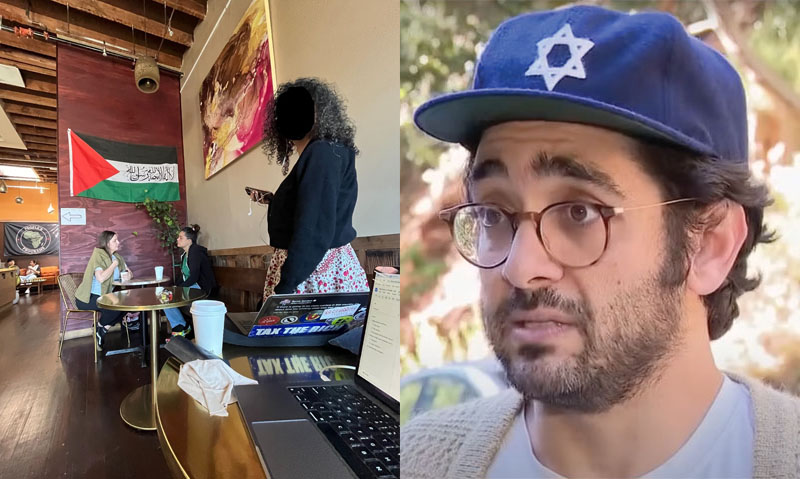
On Oct. 26, 2024, Jonathan Hirsch went to Jerusalem Coffee House in Oakland, California to get a latte for his wife. He was wearing a vintage baseball cap with a Star of David on it. Shortly after, as he and his five-year-old son were playing chess while waiting for the order, the shop’s co-owner, Abdulrahim Harara, demanded to know: “Are you a Zionist?”
It was pretty clear that if the answer had been “yes,” Hirsch would have been asked to leave. But nonetheless, when the Jewish man declined to answer, Harara declared that his hat was “violent” and asked him to leave. He then proceeded to call the police to help him kick out the unwelcome Jew from his coffee shop and didn’t forget to yell after Hirsch’s little boy, “Your dad’s a b—.”
The female police officer who was called to the scene told Hirsch that Harara had the right to refuse service based on religion or sexual orientation.
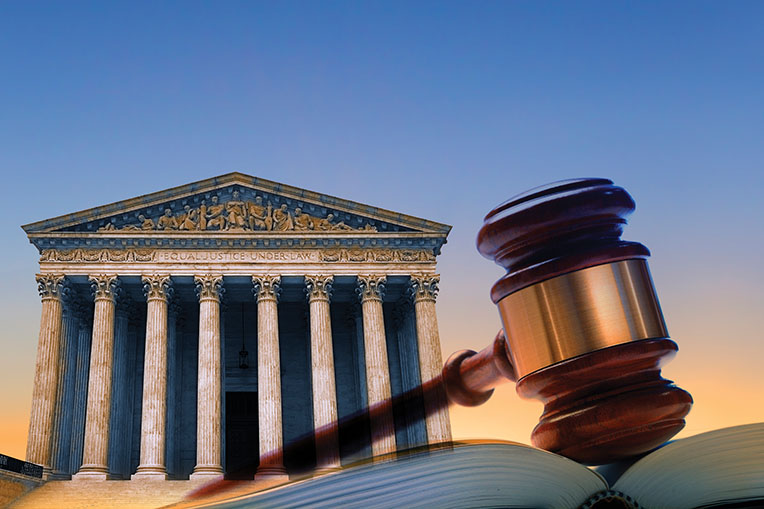
Fast forward to June 9, 2025. The Justice Department announced that it would file a lawsuit against Harara and Native Grounds LLC, the owners of the Jerusalem Coffee House. According to the lawsuit, the defendants discriminated against Jewish customers. Hirsch wasn’t the only Jew who wasn’t welcomed at the place. The female officer was wrong, of course.
“It is illegal, intolerable, and reprehensible for any American business open to the public to refuse to serve Jewish customers,” said Assistant Attorney General Harmeet K. Dhillon of the Justice Department’s Civil Rights Division. “Through our vigorous enforcement of Title II of the Civil Rights Act and other laws prohibiting race and religious discrimination, the Justice Department is committed to combatting antisemitism and discrimination and protecting the civil rights of all Americans.”
Hirsch himself heard the news like everyone else — from the news. In a phone conversation with The Journal from his home in Oakland, he said he was shocked by the lack of reaction from the Oakland community to the incident. “The reaction was like, ‘oh, this is a political disagreement,’ but I didn’t disagree with anyone. The city didn’t respond, the state didn’t respond. There were very nice quotes by (Sen.) Adam Schiff (D-Calif.) and the governor’s office, but the quotes didn’t do anything.”
Hirsch grew up in Los Angeles and moved to Oakland about four years ago. “My wife and I lived in a lot of places and chose to raise a family in Oakland because we felt it’s an accepting place,” he said. “We knew that there is a longstanding Jewish community here that has great relations with the rest of the community.”
According to Hirsch, there wasn’t much of a response from Oakland. The Jewish community was supportive, but outside of that, not much was said locally. Some wonder what the reaction would have been if it were the other way around — if a Muslim had been refused service by a Jewish store owner just for wearing a keffiyeh. There’s a good chance people wouldn’t have stood quietly and kept mum about it.
Hirsch, as it happened, wasn’t the only victim of harassment by Jerusalem Coffee House. In another incident, an employee told a Jewish customer wearing a baseball cap with a Star of David: “You’re the guy with the hat. You’re the Jew. You’re the Zionist. We don’t want you in our coffee shop. Get out.”
Needless to say, none of these Jewish customers said anything about their political views to Harara or anyone else at the coffee house.
The lawsuit also alleges that on the one-year anniversary of the Oct. 7, 2023 Hamas terrorist attacks on Israel, the Jerusalem Coffee House announced two new drinks: “Iced In Tea Fada,” an apparent reference to “intifada,” and “Sweet Sinwar,” an apparent reference to Yahya Sinwar, the former leader of Hamas who orchestrated the attacks on Israel. The lawsuit further alleges that the coffee house’s exterior side wall displays inverted red triangles, a symbol of violence against Jews that has been spray-painted on Jewish homes and synagogues in anti-Semitic attacks.
While talking with Hirsch, he sounded concerned but also relieved that the U.S. Justice Department has taken this case seriously.
“I’m the guy who was denied a cup of coffee. It’s not a slippery slope anymore. There are two steps from me to the two poor people in front of the museum,” said Hirsch, referencing the Israeli embassy employees, Yaron Lischinsky and Sarah Milgrim, who were shot to death on May 21 in Washington, D.C.
These incidents explain why many Jews believe they can’t identify as one in public without being rendered a political entity and being judged and attacked based solely on their religious affiliation. But Hirsch sees the good that came out of his experience.
“I feel so much closer with so many Jews who came up to me on the street or in the shul. It means a lot to me. The whole Jewish community has been amazing.”