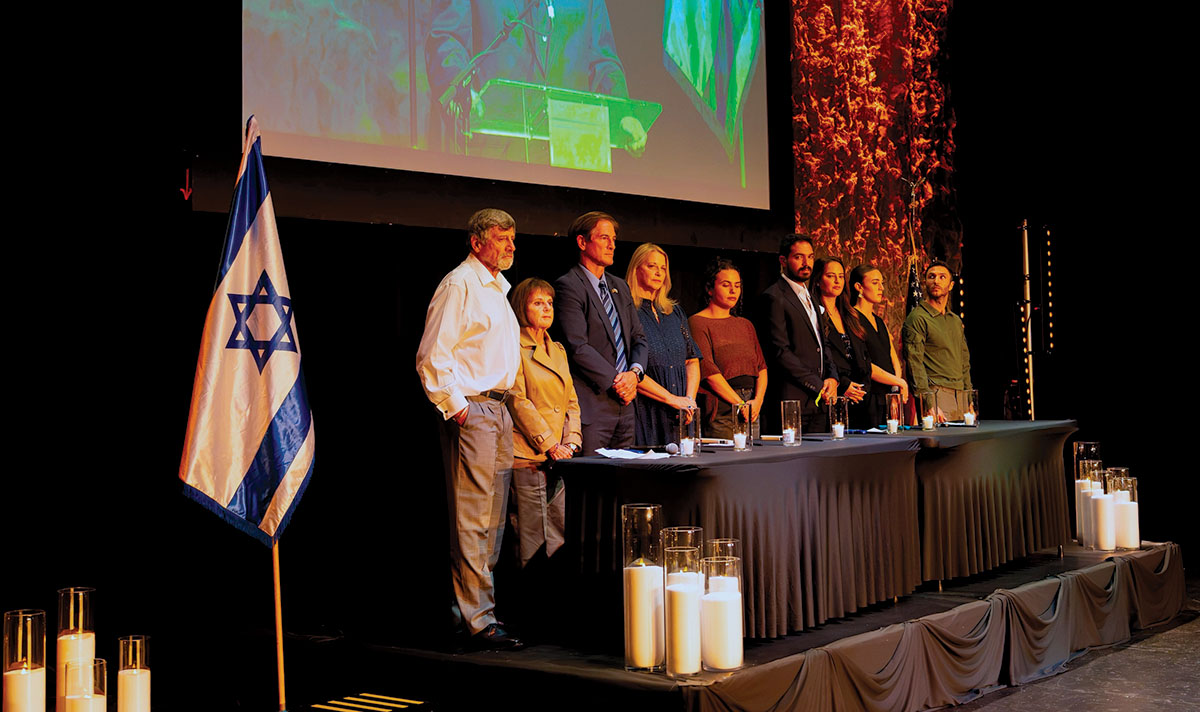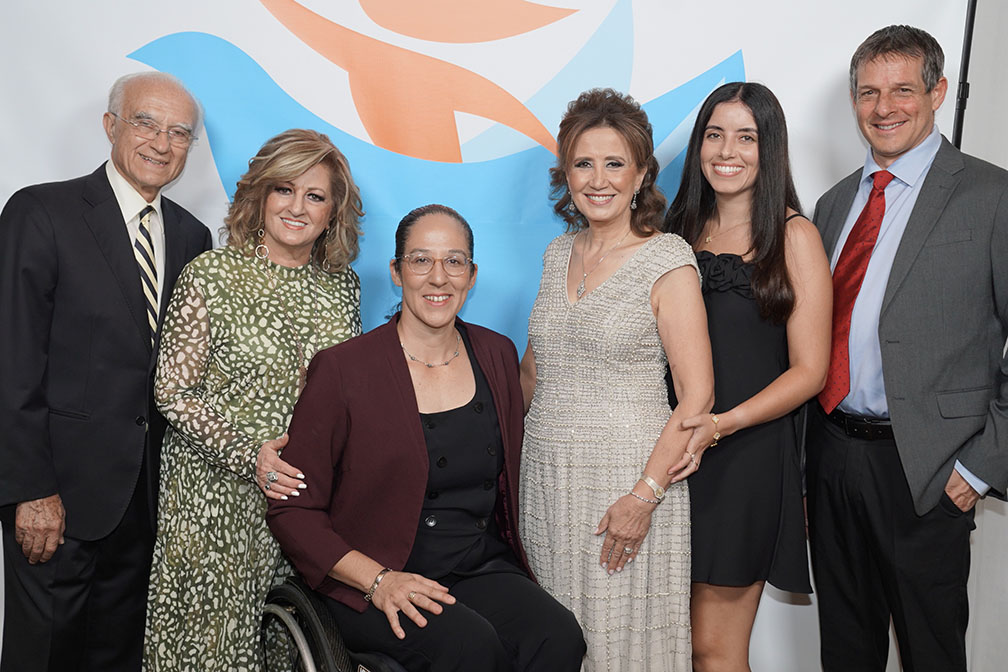
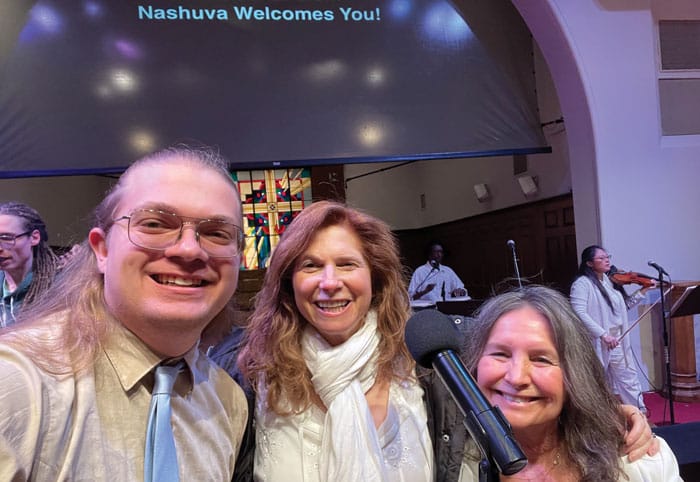
In February, for Jewish Disability Awareness and Inclusion Month (JDAIM) Elaine Hall and The Miracle Project partnered with Nashuva and Temple Aliyah to bring inclusive services to their communities.
“An inclusive Shabbat is a worship service that allows people to worship freely and with joy, expressing themselves in all the ways that they can.” – Mike Stein
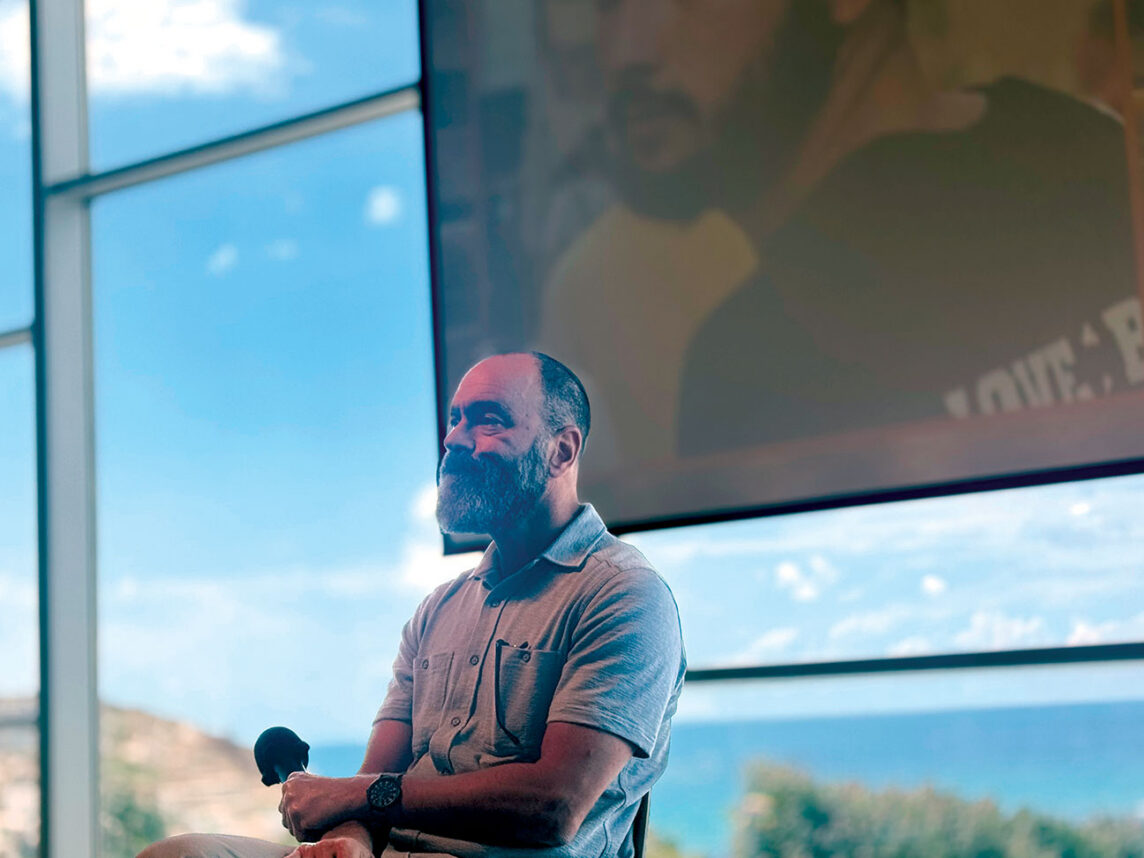
“An inclusive Shabbat is a worship service that allows people to worship freely and with joy, expressing themselves in all the ways that they can,” hazzan Mike Stein of Temple Aliyah told the Journal. “Inclusive means that neurodiverse and neurotypical people will sing and participate together.”
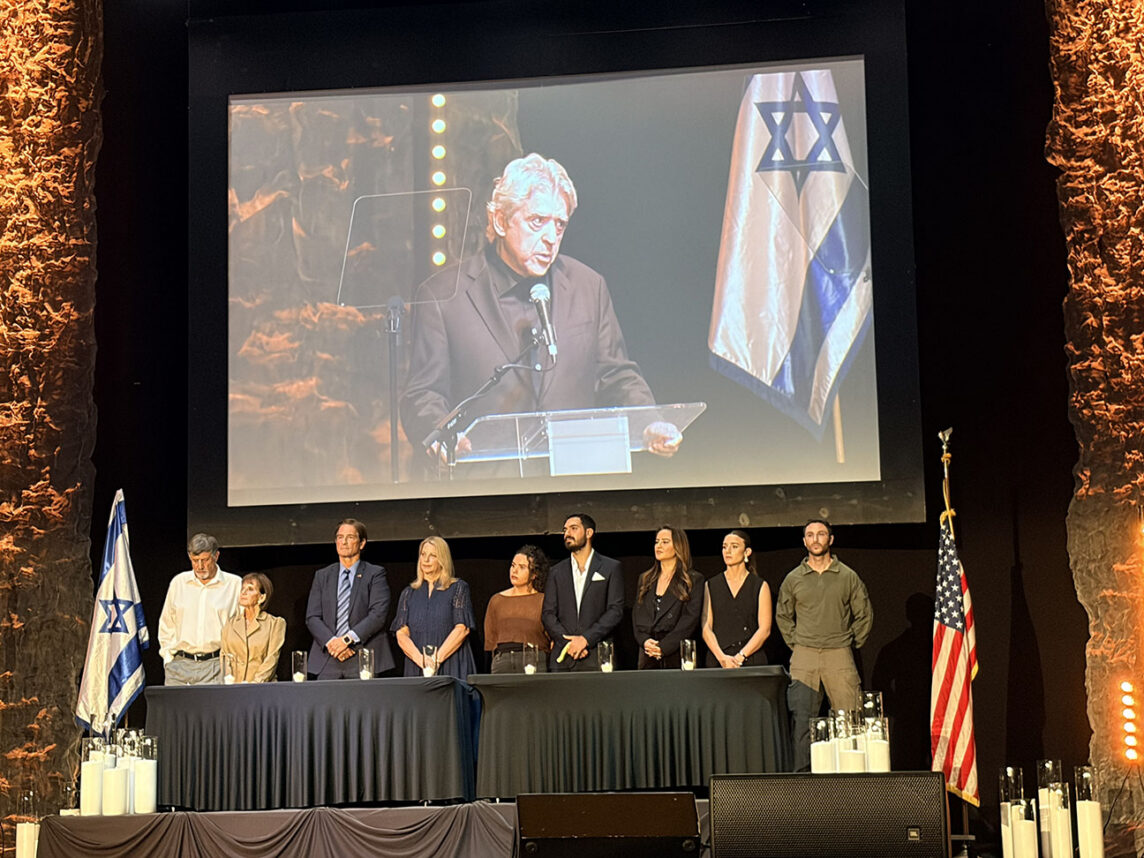
“Every Shabbat is an inclusive Shabbat, as we always welcome everyone and there is no exclusivity,” Rabbi Naomi Levy of Nashuva told the Journal. “However, during the month of February, the focus is to make sure that members who are neurodiverse or have other disabilities know and feel that they are treasured and are a blessing.”
For the last 15 years, the young men and women of The Miracle Project, a theater and film program for children and young adults with and without disabilities, have helped lead Nashuva’s service. This is their second year partnering with Temple Aliyah. They have also done programs with Beit T’Shuvah, Adat Ari El and other synagogues around Los Angeles.
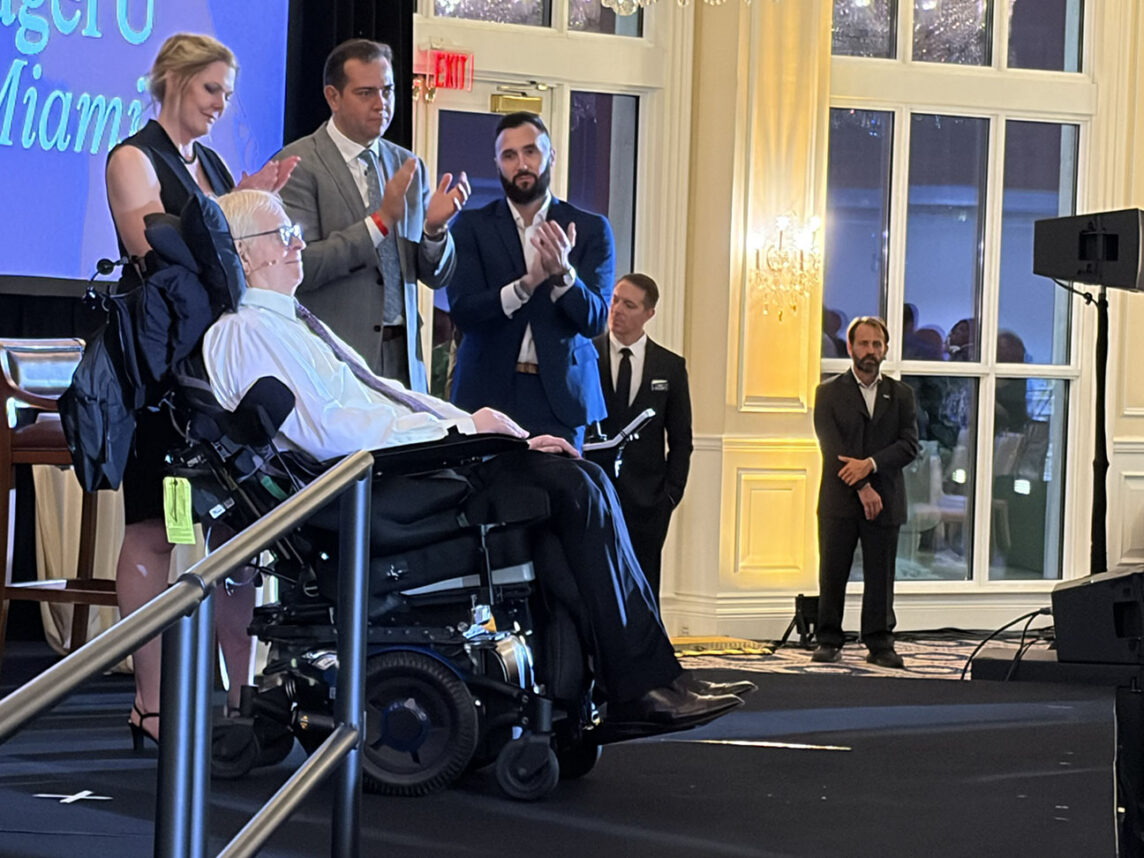
“It never fails that this particular service is not only a source of inspiration, but tears and joy and it’s intensely moving,” Levy said. Hall told the Journal that at a JDAIM Shabbat “those who experience the world differently, either in the areas of cognition, communication, sensory processing or physically, are not only welcomed and included, as they always should be anyway, they are given the platform to become leaders in the congregation,”.
During an inclusive Shabbat, individuals with autism and other disabilities lead traditional prayers, and also offer their own prayers through song or a speech. Someone from the group will lead the chorus using sign language. In Temple Aliyah’s case, a congregant donated funds for an ASL (sign language) interpreter who signed the entire service. Non-speaking autistic individuals may type their drash and it can be read by another congregant.
For instance, at the Nashuva service on February 3, Hall introduced her son, Neal Katz, a non-speaking autistic young adult who types to communicate. Using his iPhone as a communication device, Neal said, “Shabbat Shalom.” Hall then read his speech.
“I am grateful for differences or life would be boring. Everyone is different: like creative, athletic, academic, artist, sports star and engineer. Just like ability and challenges, strengths and weaknesses. I really love when people are accepting and inclusive and non-judgmental and celebrate difference and accept that all people are not the same,” he said.
Also at Nashuva, singer-songwriter Adin Boyer, a member of The Miracle Project’s company class, premiered his original song, “Everything,” and joined the Nashuva band for Debbie Friedman’s “Miriam’s Song,” while Hall and Noa Levy Eshman led the congregation in dance. Levy’s inspiring sermon combined the themes of Shabbat Shira with inclusion. Soon after, Adin, who is working on his second album and announced that he had recently auditioned for “American Idol,” led the congregation in a soulful rendition of Leonard Cohen’s “Hallelujah.”
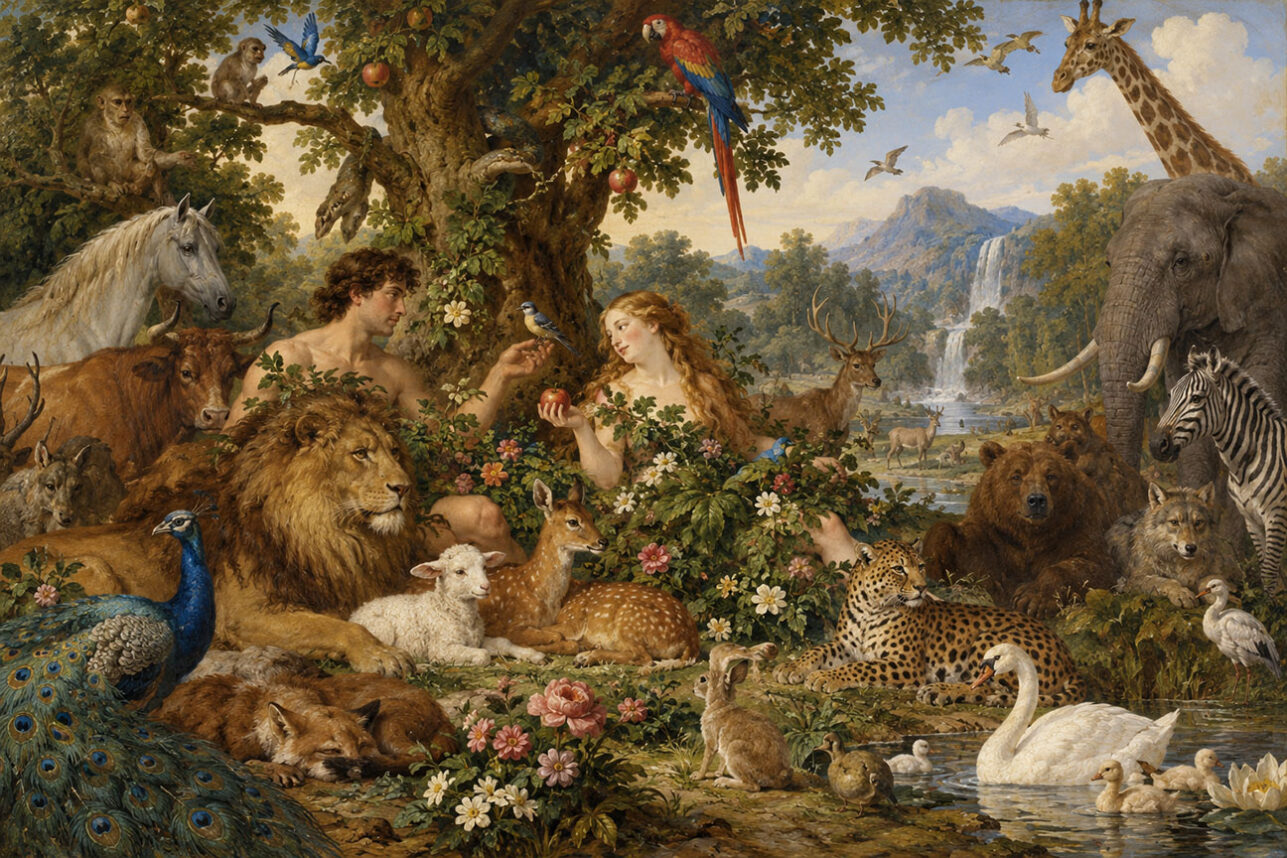
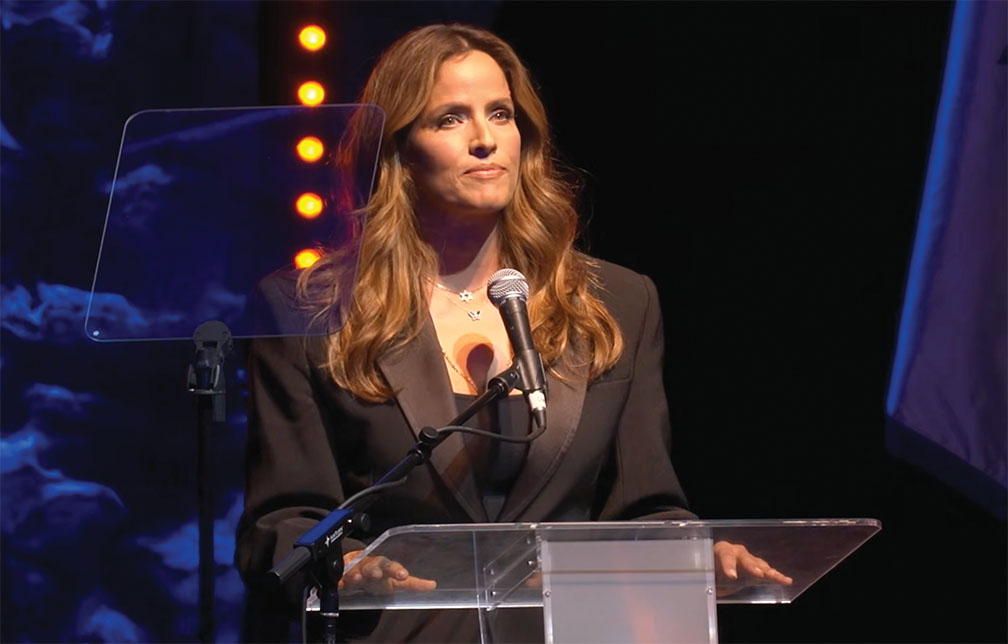
“This service is not about a performance,” Hall said. “It is about allowing those members of the Jewish community to lead the congregation in prayer and song. It is about celebrating the strengths and gifts of all of G-d’s creations. It is about B’zelim Elohim.”
At Temple Aliyah’s February 10 service the Our Space Kolot Tikva Choir and The Miracle Project teamed up with their musicians and other choirs, including the Valley Beth Shalom youth choir.
Quinn Lohmann, a participant in The Miracle Project, led the congregation in “B’zelim Elohim” by Dan Nichols. Singer/actress Naomi Rubin, a member of The Miracle Project company class who had a recurring role on Netflix’s “Atypical,” led Kolot Tikva in Stein’s original song, “One Breath.”
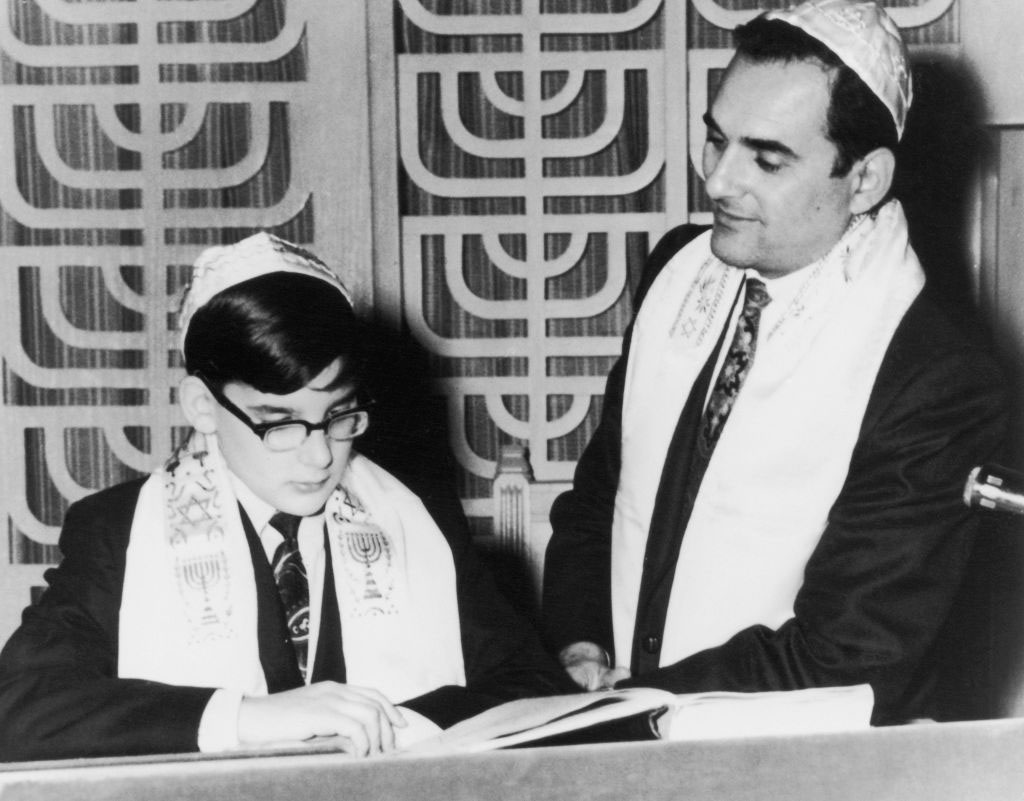
Other highlights included a young man on the spectrum from the Kolot Tikvah choir, who is about to become a bar mitzvah, leading the Shema. Susan North Gilboa brought dance music and those with and without disabilities danced at the Oneg.
“I love to hear our young people who are neurodiverse,” Stein said. “Many of them have extraordinary talents that are not revealed unless they are in this type of situation. Giving our participants the opportunity to be creative, to sing from their hearts, to be applauded and just be who they are is the most satisfying aspect of this entire experience.”
Hall’s dream is that one day there will be no need for a specific month to celebrate disability. Every Shabbat will be welcoming and inclusive of those who experience the world differently.
“Ramps will be built and mezuzahs lowered on the doors for wheelchair users,” she said. “Each synagogue will have an ASL interpreter, and there will be an audio describer for those who are blind or have low vision. There will be a quiet room for those with sensory sensitivities, and perhaps an all acoustic service adjacent to the regular service for those with whom loud music can be a challenge.”
Hall and Stein are currently applying for grants and receiving donations through The Miracle Project to create a template for others to create Jewish Disability Awareness and Inclusion Shabbats in every L.A. synagogue and for every service.
“It is very important to see the world through the perspective of someone else’s experience and every single year the young men and women of The Miracle Project and Elaine Hall teach us to pray with a new heart and to see God with new eyes.”
– Rabbi Naomi Levy, Nashuva
“It is very important to see the world through the perspective of someone else’s experience and every single year the young men and women of The Miracle Project and Elaine Hall teach us to pray with a new heart and to see God with new eyes, and to deepen our understanding of what it means that we are all created in God’s image,” Levy said. “This inclusive Shabbat really highlights not just the talents of the students at The Miracle Project, but the spiritual depth that gets opened up for us in ways that are truly unexpected.”