At least I got to thank him for his service while he was still serving.
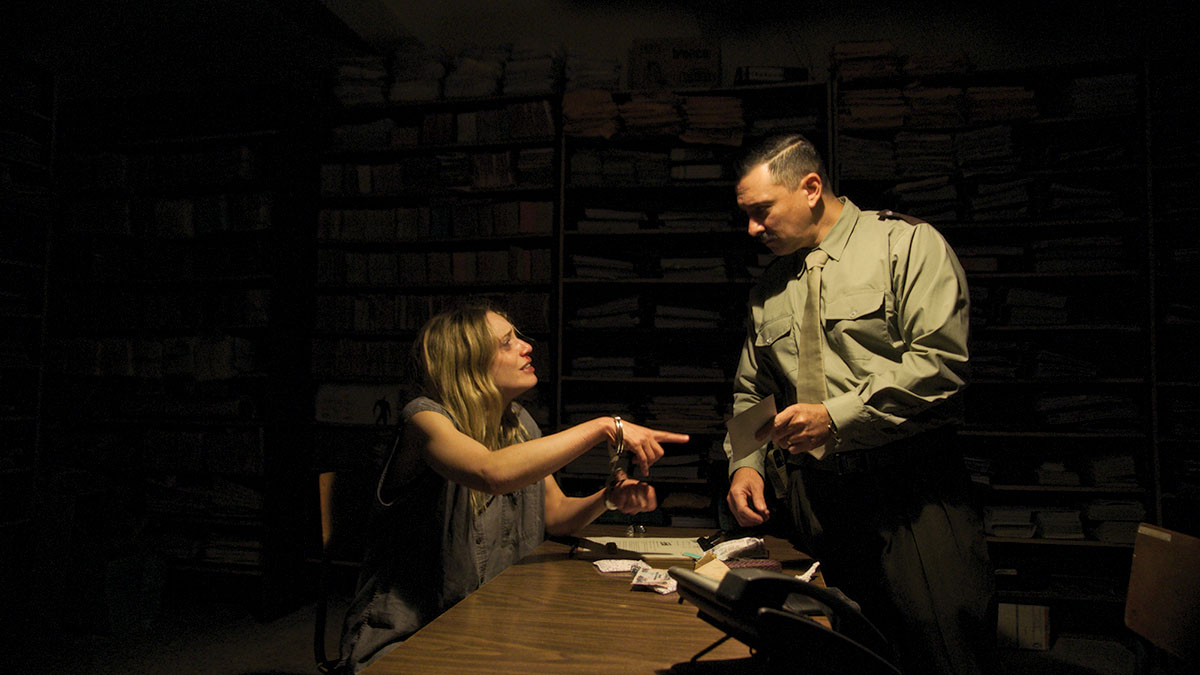
If you saw the “Diabetic Lesbians and a Blushing Bride” episode of last season’s CBS sitcom “Mom,” an improbably funny series about the struggles of a mother (Allison Janney) and daughter (Anna Farris) in recovery from alcohol and drug abuse, the last five minutes held a shocker for you: a teenager played by recurring guest star Emily Osment dies of a drug overdose.
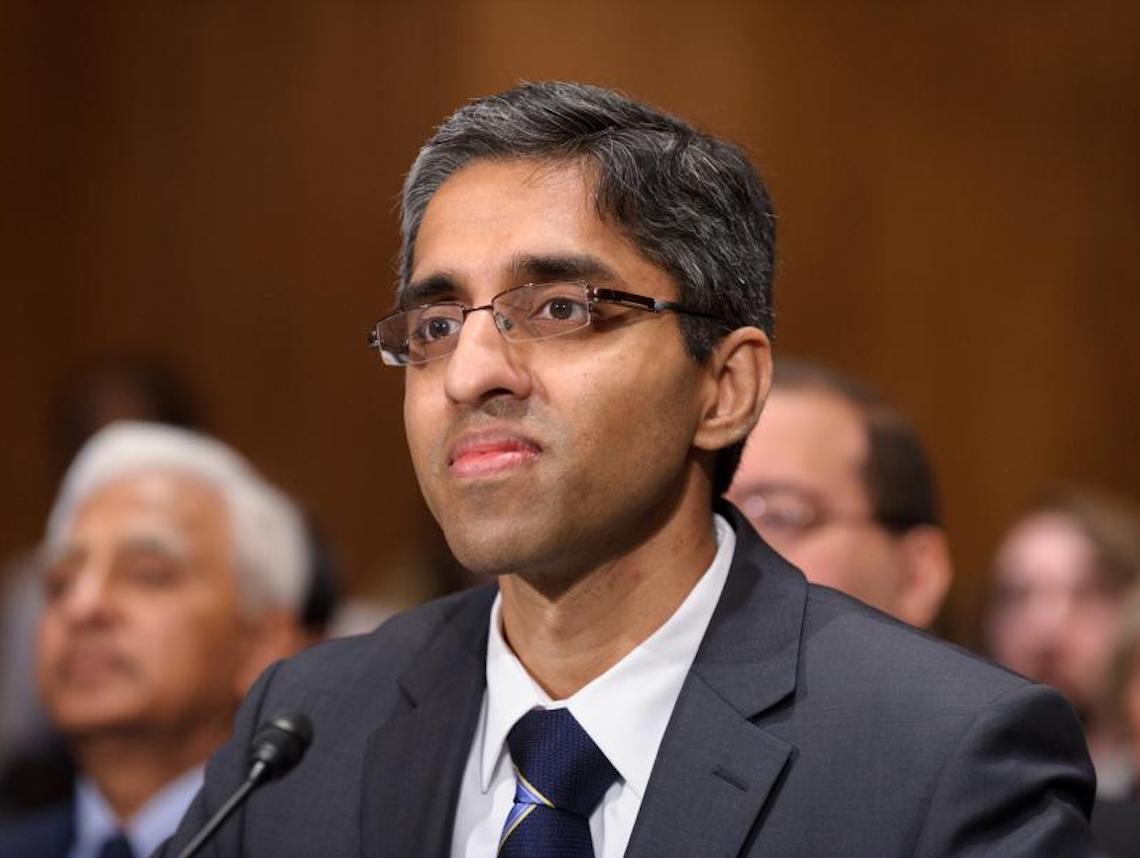
But then you were in for another surprise: U.S. surgeon general Vivek Murthy in dress blues, flanked by Janney and Farris, warning that drug overdoses kill more Americans than car crashes. The families behind these numbers, he tells us, need our compassion. The 30-second PSA ends with a 24/7 Helpline number to call “if you or someone you know needs help.” After it ran, calls to 1-800-662-HELP tripled.
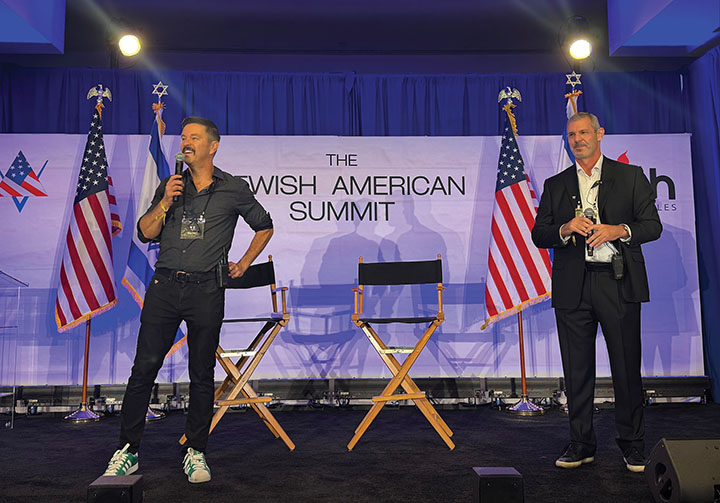
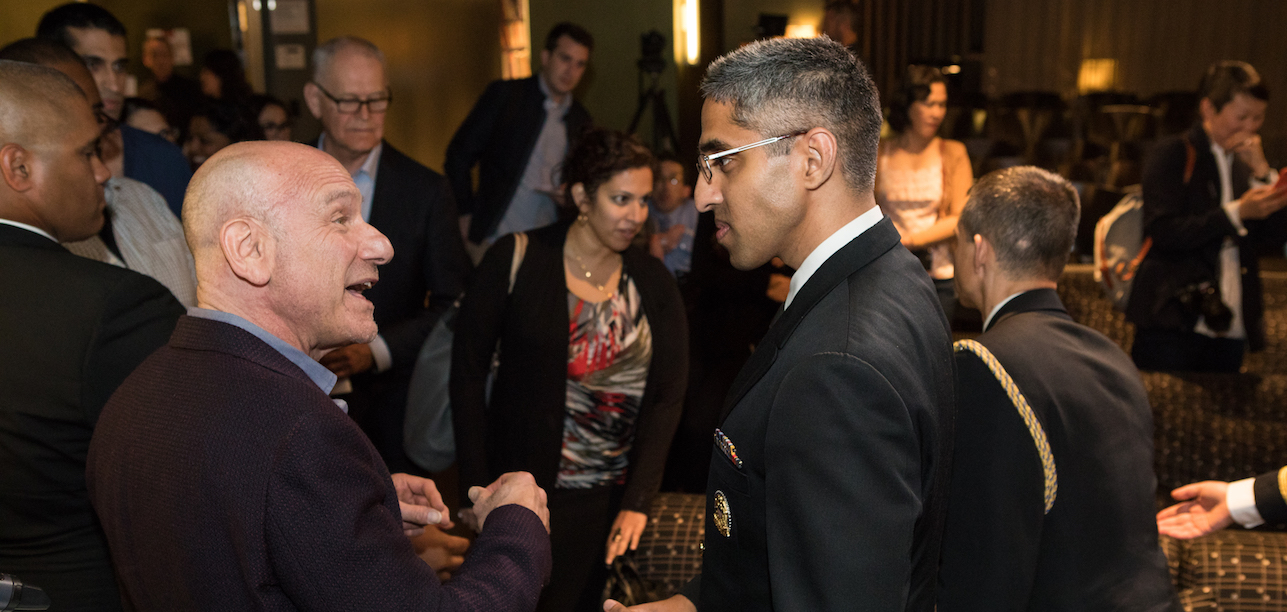
Last week, 48 hours before Donald Trump fired him, Dr. Murthy came to Los Angeles to talk to a roomful of TV show runners, producers and writers. Communicating public health messages is central to the surgeon general’s job, and Murthy understands how powerfully entertainment can influence audiences. When we identify with fictional characters, when we’re transported by their narratives, our knowledge, our beliefs, even our behavior can be shaped by made-up stories.
Murthy’s message to the creative community: Opioid addiction is an epidemic. Everyone knows someone struggling with it. But it’s a chronic illness, a disease of the brain, not a moral failure. He asked Hollywood’s help in depicting it that way, and that when they do, to please depict hope, not just pain; recovery, not just despair.
If the surgeon general knew that two years into his four-year term as a nonpolitical appointee, the president was going to ask for his resignation, or that when that happened, Murthy would refuse, forcing the president to fire him, I saw no sign of it that night.
I was his host. As director of the Norman Lear Center, named for the TV pioneer and philanthropist whose shows have wrestled with cancer, sexual assault, racism, homophobia and so many other realities of American life, I’m especially proud of our Hollywood, Health & Society program run by my colleague Kate Folb. For 16 years, HH&S has provided free expert advice to hundreds of shows on issues of public health, safety and security. We connect writers with top medical and scientific specialists to answer their questions; we bring experts to writers’ rooms to brief them on topics ranging from HIV to climate change to the risk of nuclear war; we invite speakers to tell their personal stories, and to inspire writers with their passion to repair the world.
Murthy told the TV writers that when President Obama nominated him in 2013, a nurse at Boston’s Brigham and Women’s Hospital where he worked said to him, “If you can do one thing, please do something about the addiction crisis.” He recounted some of the stories people told him as he traveled the country trying to do what she asked, like the man addicted to opioids who told Murthy that when he was diagnosed with testicular cancer, he actually welcomed the news: He figured that after his surgery, he’d be given painkillers.
Cortney Lovell, a 28-year old mom-next-door from upstate New York, told the writers her story as well. She recalled the winter night in her car nine years ago when she deliberately shot an overdose of heroin and cocaine into her veins. She thought death was a better option than the hell of her life. Lovell doesn’t know why she didn’t die that night, but today she’s in long-term recovery from addiction, and she’s helping others prevent and escape from what happened to her. The writers also heard Gemma Baker, writer/producer and co-creator of “Mom,” and Zoanne Clack, executive producer of “Grey’s Anatomy,” explore the craft of informing audiences while also entertaining them.
And none of us, except perhaps Murthy, had a clue he’d be out the door two days later.
The Senate held up Murthy’s confirmation for more than a year because Republicans held his support of the Affordable Care Act against him, and because the NRA opposed him for calling gun violence a public health issue. Once in office, when he warned that the nicotine in e-cigarettes was harmful to kids’ developing brains, Big Tobacco and right wing groups like Americans for Tax Reform called for Murthy’s ouster. Last week, when he listed the causes of opioid addiction at our event, he included the prescription drug industry’s aggressive pain pill marketing, which made me think he must be on Big Pharma’s hit list, too. With that many strikes against him – to me, badges of honor – it’s amazing he lasted until the Administration’s 92d day.
The farewell message that Murthy, 39, the grandson of a poor farmer from India, posted on his Facebook page is extremely gracious, especially given the circumstances. I’m not sure I’d be able to pull off being that lovely. But I’m reasonably sure that the nice folks who pulled the trap door under Vivek Murthy are indifferent to the oath known to anyone who’s seen a medical show on TV: First, do no harm.
MARTY KAPLAN is the Norman Lear professor at the USC Annenberg School for Communication and Journalism. Reach him at martyk@jewishjournal.com.