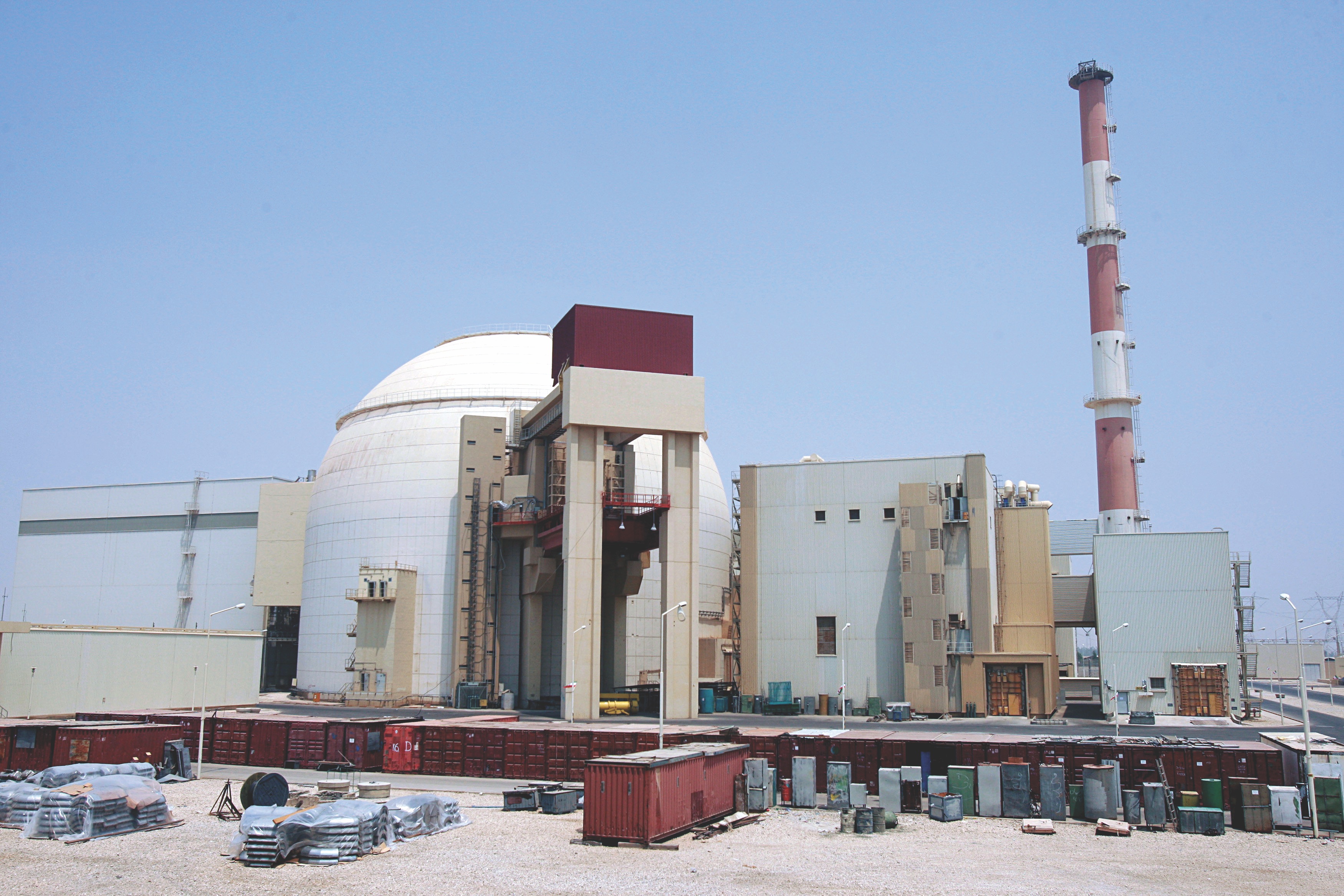
With European powers either unable, or unwilling, to meet his demand to “fix” the Iran nuclear deal, President Donald Trump on May 8 followed through on his threat to “nix” the Joint Comprehensive Plan of Action (JCPOA), as it is formally known, and re-impose “the highest level of” economic sanctions on the Islamic Republic of Iran.
“At the heart of the Iran deal was a giant fiction — that a murderous regime desired only a peaceful nuclear energy program,” Trump asserted. “We will not allow a regime that chants ‘Death to America’ to gain access to the most deadly weapons on Earth.”
The president in January warned that he would scrap the accord unless its “disastrous flaws” were addressed, and, to this end, had for months been lobbying France, Great Britain and Germany to formulate a side agreement to eliminate the JCPOA’s so-called “sunset clauses” — which remove limitations on Iran’s ability to enrich uranium in just over a decade — as well as curb the Islamic Republic’s ballistic missile program and involvement in fomenting unrest in the Middle East.
The question now is: What comes next? While Tehran threatened to take measures “stronger than [Trump] imagines” now that the United States has backed away from the deal — including “vigorously” jump-starting its uranium enrichment program — the Iranian regime is believed to have contingency plans for the continuation of the accord without American participation. In fact, Iranian President Hasan Rouhani kept this door open, saying on May 7 that “what [Tehran wants] for the deal is that it’s preserved and guaranteed by the non-Americans.”
While Trump vowed to continue working with allies to find a “real, comprehensive and lasting solution to the Iranian nuclear threat,” most analysts agree that it is exceedingly unlikely that Tehran will abide by any such process. In fact, Iran’s foreign ministry issued a statement describing the White House’s move as “illegal and illegitimate.”
By contrast, initial contacts by The Media Line with opposition sources in Tehran suggest that Ayatollah Ali Khamenei’s critics were energized by Trump’s words, which included a direct address to the “long-suffering people of Iran … [with whom] America stands.”
The president in January warned that he would scrap the accord unless its “disastrous flaws” were addressed.
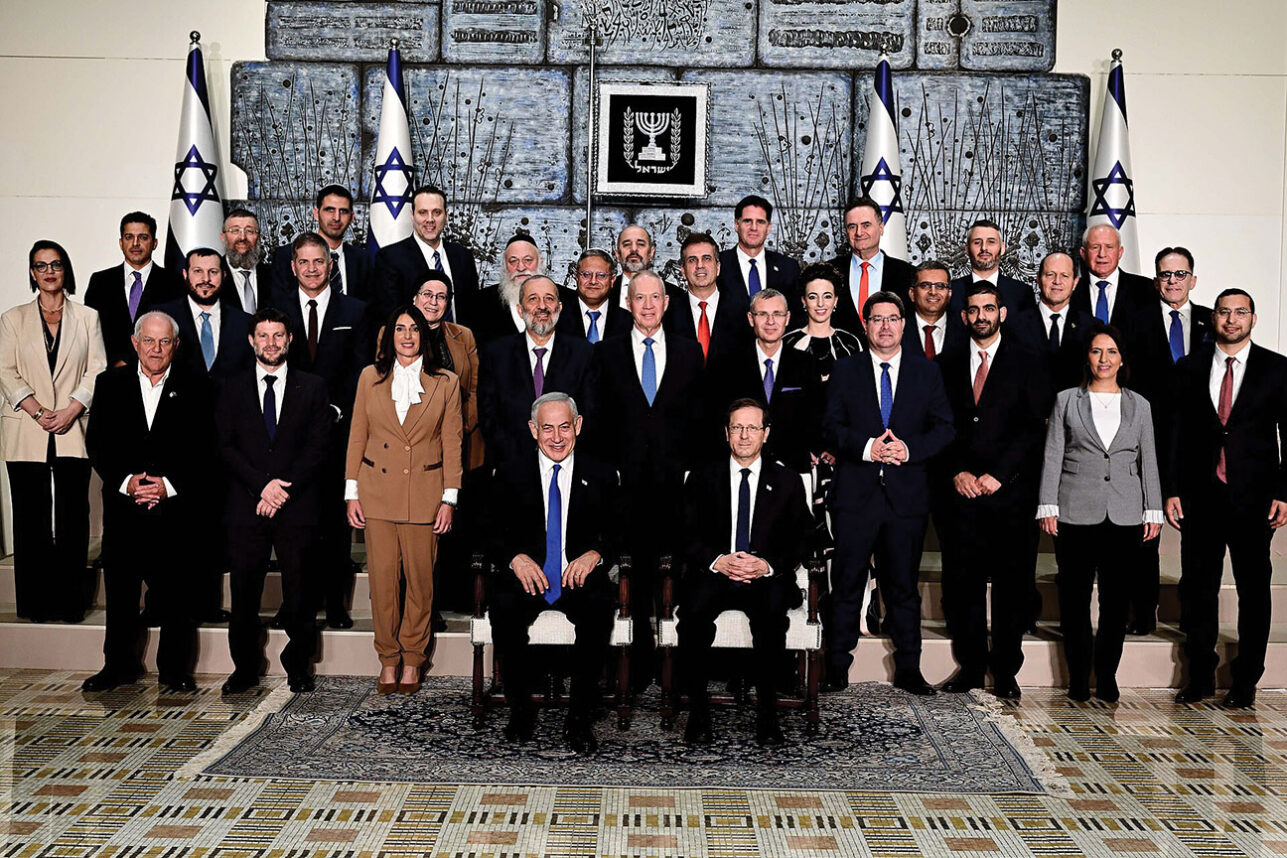
For his part, Israeli Prime Minister Benjamin Netanyahu appeared on national television just moments after Trump’s speech in order to reaffirm his support for the “brave decision.” This, while no doubt cognizant of the fact that Washington’s move raises the heat on Iran, whose rulers may conclude that they have little to lose by unleashing their proxies on Israel.
Efraim Kam, a former colonel in the research division of Israel Defense Forces Military Intelligence and currently a senior fellow at the Tel Aviv-based Institute for National Security Studies, said that “it is more likely than unlikely that the Iranians will respond,” although he does “not think there will be a major war, but instead a [tit-for-tat] exchange.”
Indeed, the Israeli army is on high alert in the north, where municipalities were ordered on the day of Trump’s announcement to unlock public bomb shelters over what the military called “unusual Iranian forces” in Syria. The Iranian mullahs may even determine that opening a front against Israel is in their best interest, using the conflagration as justification to restart their atomic program, if not make a full-out dash for a nuclear bomb.
Uzi Rubin, the former head of Israel’s Arrow defense program, developed jointly with the U.S. to neutralize the threat posed by longer-range ballistic missiles, concurs that “there is a very high potential for an intensification. Iran has spoken of a reprisal [against Israel] but the question is how it will be expressed. The Iranians are good chess players and will do something that will give them the maximum benefit with minimum damage.”
By ditching the JCPOA, then, Trump effectively opened Pandora’s box in the Middle East tinderbox. Many world leaders have warned that such action could lead to a large-scale military confrontation, not only involving the Jewish state and Sunni Arab countries, but also potentially the United States and Russia, which has re-emerged as a force in the region.
In the past, historians have described such conflicts — those involving multiple players and pitting global powers against one another — as world wars.