In April 2013, the Senate rejected bipartisan legislation for gun-purchase background checks. It didn’t seem possible: The shooting massacre at a Sandy Hook, Conn., elementary school had happened just months before; 90 percent of Americans supported background checks — and one of them was President Barack Obama.
But reports said the National Rifle Association spent half a million dollars — just on the day of the vote — lobbying against the legislation. That was the day hope for gun regulation died; my faith in the American political system plunged.
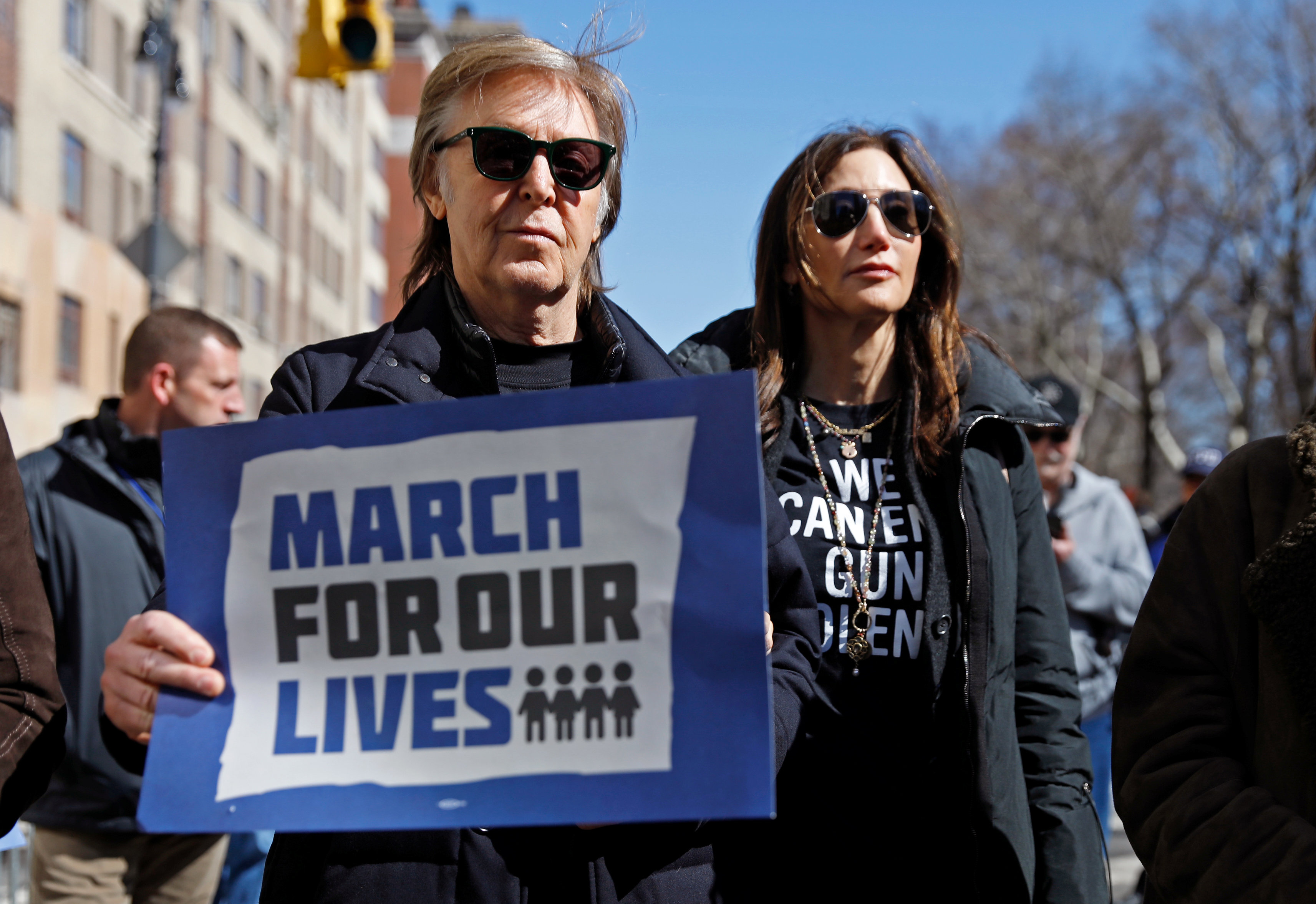
Six years and more than 1,600 mass shootings after Sandy Hook, another horrible attack might finally lead to change. After 17 people were killed at a Parkland, Fla., high school, teen survivors poured out their hearts on social media, then sparked a full-fledged student movement animated by fear, anger and awakening. I yearned for a bit of hope, but something left me unsettled, too.
Although I was too young to experience the upheaval of the 1960s, the struggles of that era have been with me since I was a teenager, old enough to be angry at what I thought was wrong with America in the 1980s. I was angry at modern racial injustice, and I got angrier as I understood how deep its historic roots ran in the United States. I was angry about consumer capitalism driving relentless cycles of poverty, which in turn fed racial injustice, violence and racism.
In a teenage way, I resented having been born on the privileged side, because I didn’t know how not to be complicit. And I was angry at myself for despising the system but unable to change or avoid participating in it.
Something about American kids marching for gun regulation seemed sad.
Learning about the social movements of the 1960s was a revelation. An awkward teenager (think braces, glasses and Ronald Reagan), I suddenly knew where I belonged: with those activists who threw their lives at the same problems I cared about. I glamorized the civil rights and anti-war movements.
In the 1980s, I couldn’t figure out how to fight the amorphous “system” at home. In high school, we protested South Africa’s apartheid. I became fascinated by Israel and eventually moved there, intending to commit my life to insisting that my people end the occupation and oppression of Palestinians.
When the Days of Rage were over, many questioned if the movements had failed. But here was one success: The ’60s gave voice to the values I cherish to this day — advancing equality and civic enfranchisement; dissent and activism against one’s own society when needed; and the most noble one of all, solidarity. The idea of white and Black Americans teaming to tear down racist structures moved me then and now. The photos of Rabbi Abraham Joshua Heschel marching with Rev. Martin Luther King Jr. still make my throat tighten. When Israeli-Arab political leader Ayman Odeh marched with Ethiopian Israeli Jews in 2015, the tears welled up as if on cue.
But something about American kids marching for gun regulation seemed sad. Instead of fighting to advance equality so desperately elusive in America, they are fighting to stay alive in school. America’s bar of social norms is set so low that the best minds of our generation are devoted to the primal goal of survival rather than the higher vision of solidarity for those less fortunate.
By now thoroughly depressed, I was relieved when friends reminded me that reality is more complex. New social movements such as Black Lives Matter and the Women’s March represent demands for deeper social change, not only (although including) physical survival, and their activists and supporters are diverse. One friend cautioned against romanticizing the ’60s, because many anti-war protesters feared being drafted. “There’s no interest like self-interest!” he wrote.
But maybe there’s a deeper and more optimistic interpretation of today’s student outcry. In the great American balancing act between state power and individual rights, the Second Amendment has come to symbolize the primacy (and defiance) of the individual. These young people seem prepared to take on the deeper equation. Perhaps they see virtue, or even beauty, in a small sacrifice of personal freedoms or preferences to protect the common good. That’s called solidarity.
Dahlia Scheindlin is a writer at +972 magazine and a policy fellow at Mitvim — The Israeli Institute for Regional Foreign Policies. She lives in Israel.