For a man who got elected on grand visions and “hope” and “change,” President Barack Obama has brought little hope to the people of the Middle East.
Obama’s first move was grand enough, when he reached out to Muslim and Arab leaders with an apologetic speech in Cairo. The president acknowledged America’s mistakes and promised a brand-new day with him leading the free world.
As part of this brand-new day, Obama’s second move was to ask Prime Minister Benjamin Netanyahu to freeze all construction in the West Bank, including in settlement blocs that President George W. Bush had made clear would remain in Israeli hands.
From then on, it was all downhill.
When the Iranian people rebelled against fraudulent elections, Obama stayed quiet so as to not upset the mullahs. When 14 million Egyptians swarmed the streets to protest the growing theocracy of Mohammed Morsi, Obama came out against Morsi’s adversary in the Egyptian army and ended up angering both sides.
He led from behind in Libya and allowed a violent meltdown that turned the country into an Islamic war zone. He abandoned Iraq and left a vacuum that nurtured the seeds of ISIS, who’ve turned out to be much nastier than Al Qaeda. He violated his own red line in Syria and turned away from another violent meltdown that has left 200,000 dead, and so on.
Throughout all the chaos, Obama has kept his eye on two balls: The Iranian ball and the Palestinian ball. Those are the mega causes that he believes might cement his global legacy. Just as he was the first U.S. president to bring universal health care to America, he now saw a chance to bring a Palestinian state or a nuclear-free Iran to the world.
When it became clear that the Palestinian conundrum was a go-nowhere special, he put most of his energy into the Iranian ball. His vision, as he explained to The New Yorker, would be to have a nuclear-free Iran provide a counterbalance to Sunni radical forces like ISIS and to bring more stability to the region.
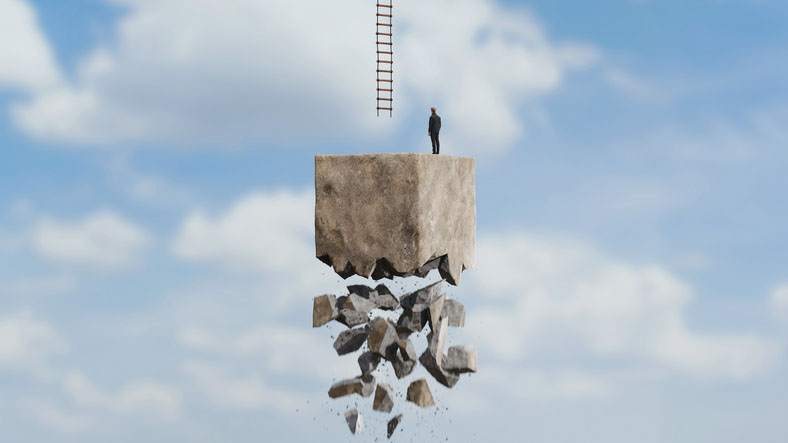
This limited vision was based on a risky and tenuous stability: evil balancing evil.
But amid all the hoopla and controversy about Obama’s dealings with Iran, we seem to have forgotten what is really missing in the president’s vision: 350 million people. Yes, those are the suffering masses throughout the Middle East who are begging for basic human rights and a better life.
Those masses don’t have the power to sign a deal with Obama and give him a legacy. In fact, that’s precisely the problem — they have so little power.
You would think that a man who preaches social justice would have the vision to connect with the oppressed masses; that he’d fight passionately against human rights abuses; that he’d plant the seeds of reform that could be harvested by future generations.
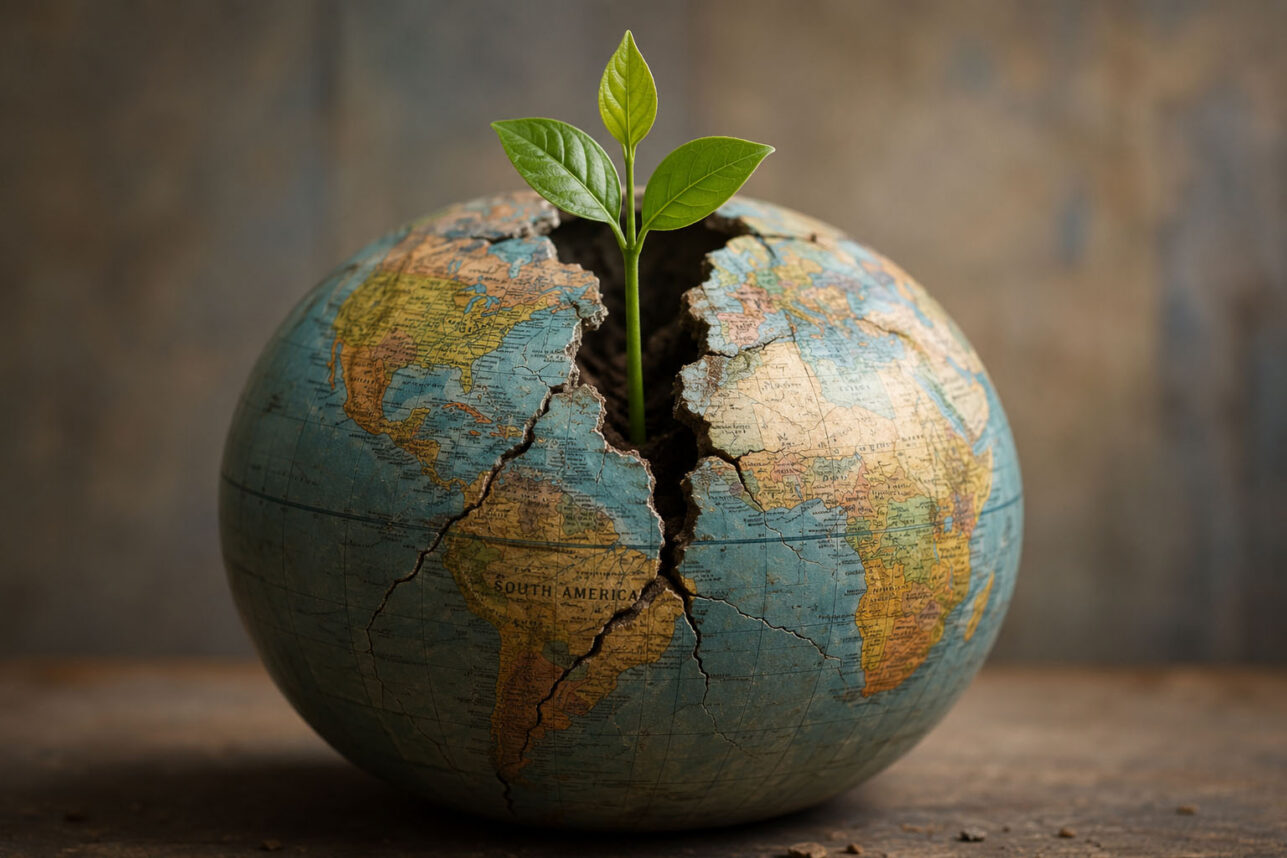
Instead, the man who promised a brand-new day in Cairo six years ago has planted no good seeds at all. He’s done a little pruning of trees while the soil continues to rot.
The worst thing that can happen to a society is to have no hope. When no good seeds are planted, there is only despair. Look around the Middle East today and all you see is despair.
It must be said that Obama’s predecessor, President George W. Bush, was equally inept at planting seeds, preferring instead a blunt, scorched-earth approach. In that sense, one can say that U.S. policy has gone from reckless to feckless.
But how sad that Obama, the man from the famous “Hope” posters, could bring none of that hope to the people of the Middle East; how sad that he couldn’t see past the corrupt dictators and champion the rights of the powerless masses.
Imagine if Obama had confronted Iranian leaders about the recent torture and murder of six dissidents in an Iranian prison, or about the routine lynching of gays and stoning of women. Imagine if he had done that consistently throughout his term and used his global pulpit to shame the abusers and speak for the masses. Would that not have brought a little hope to a despairing region?
When I was at the AIPAC conference a week ago, I came across an organization called Advancing Human Rights that is empowering social activists throughout the Middle East and connecting them via the Internet to activists and governments in the West.
The brilliance of their initiative is that the repressive leaders of the region can’t stop them, because the activists are using circumventing tools. Their online platform, movements.org, has been in operation for less than a year and has already reached thousands of activists on both sides.
That kind of grass-roots effort is planting seeds of hope among the people. This is a vision that goes beyond “stability,” and it is the missed legacy Obama will forever regret.
David Suissa is president of TRIBE Media Corp./Jewish Journal and can be reached at davids@jewishjournal.com.