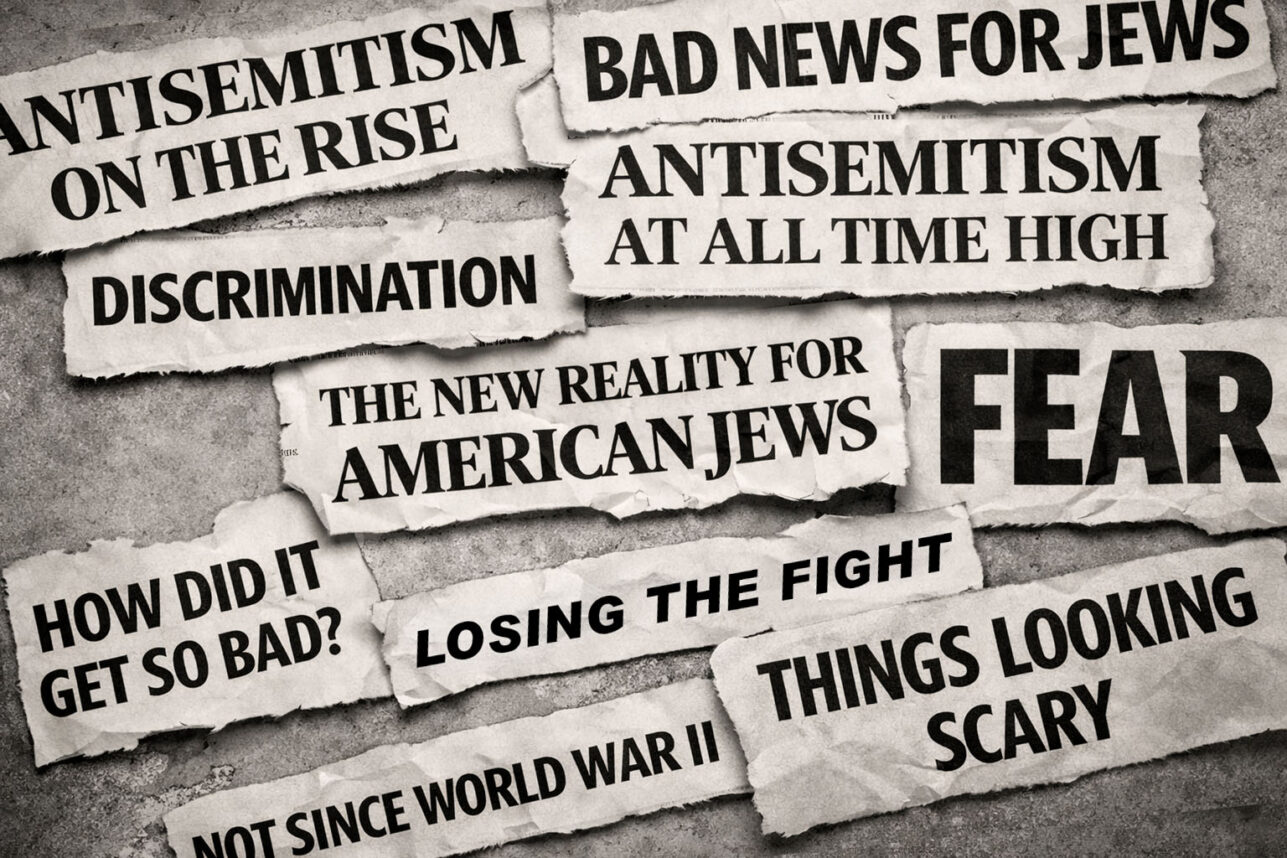
Extremists don’t scare me. If I were offered an interview with the head of Hamas or Hezbollah, I wouldn’t dare reject it on account that I’d be platforming bigots and antisemites. On the contrary: I would see it as an opportunity to expose their bigotry.
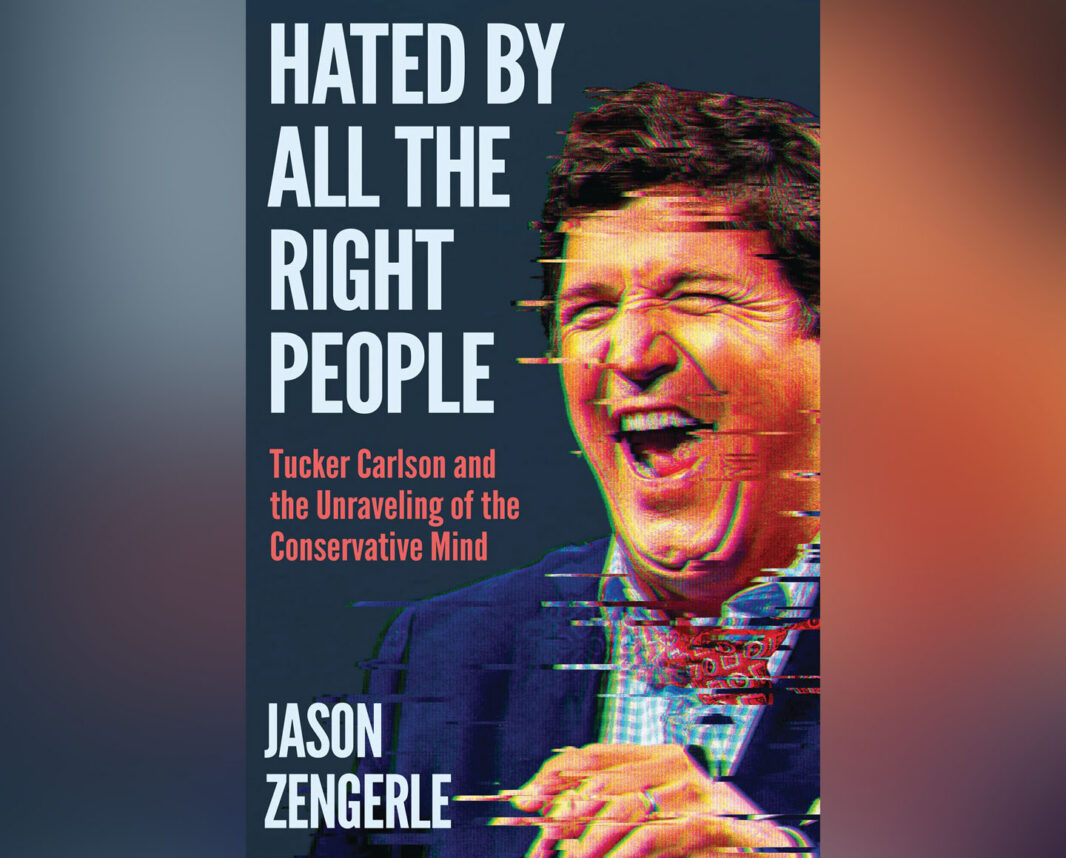
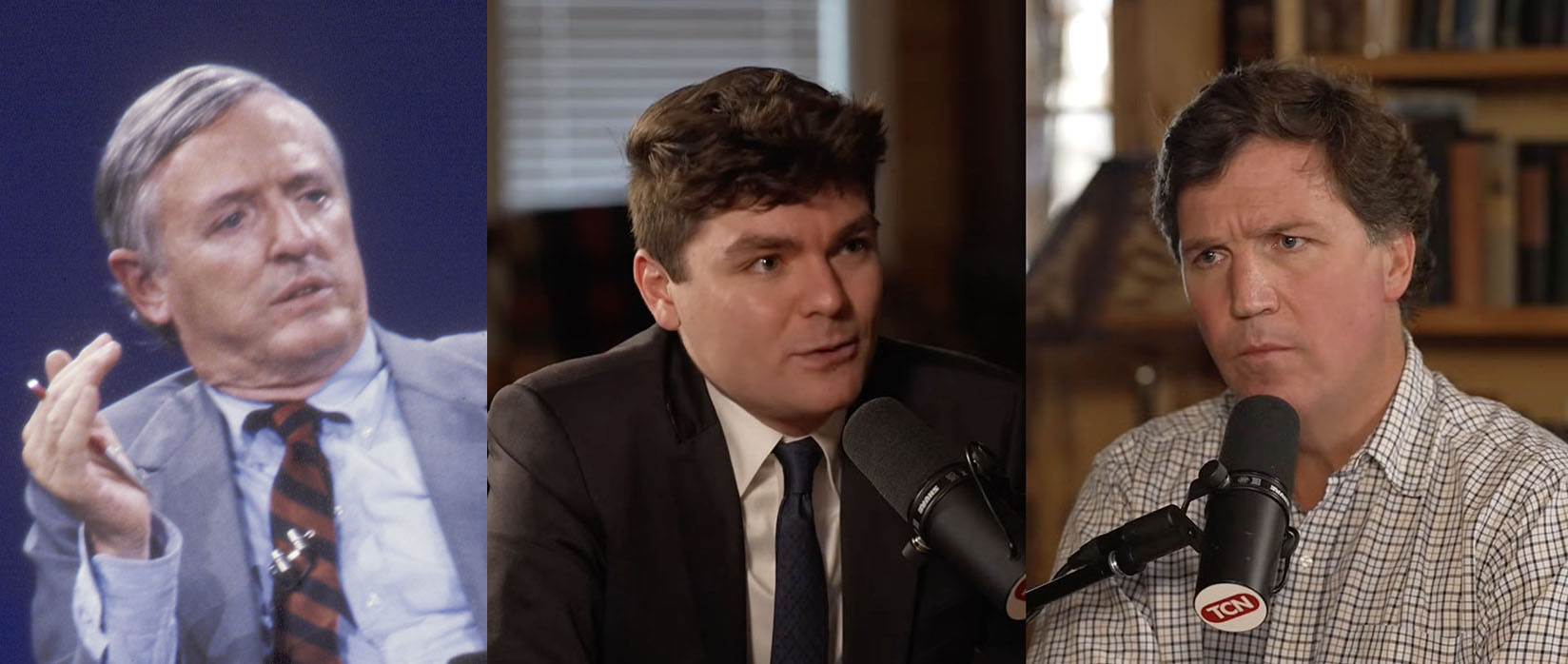
That’s why I’m troubled by this idea that one should never engage with Hitler-loving racists like Nick Fuentes who have huge followings. Tucker Carlson’s highly-publicized interview with Fuentes a few weeks ago was blasted because he “normalized” a vile racist. But his real blunder was not challenging him. He just sat there like an affable and curious idiot, oblivious to the dark side of his guest.
In that context, no wonder people slammed Fuentes’s appearance.
That’s not the way free speech is supposed to work. If Fuentes had the freedom to spew his hatred and ignorance, Tucker had the freedom to expose him. By not doing that, Tucker betrayed not just his audience but his profession.
There was a time when extremists and controversial figures were exposed by fearless journalists.
The best of that class was William Buckley Jr., who took on all comers on his show, “Firing Line.” (You can see hundreds of those shows on, what else, Youtube).
Buckley was an avowed conservative. He didn’t hide it. What made him stand out, however, was his courage to engage with guests who were his ideological opposites. He didn’t just interview them; he confronted them with facts, firmly but politely, compelling them to explain themselves.
Among the many controversial figures he took on were Eldridge Cleaver, a prominent leader of the Black Panther Party; George Wallace, a staunch segregationist and former Governor of Alabama; William Shockley, a physicist and controversial eugenicist known for his bigoted theories on race and intelligence; and Noam Chomsky, a linguist and political activist who frequently criticized what he saw as American imperialism.
Buckley also invited outspoken communist voices as well as leftist hippies like Allen Ginsberg and Jack Kerouac, characters who were galaxies away from his conservative sensibility.
The point is: Buckley was the ultimate champion of free speech. He understood that free speech doesn’t mean freeing yourself from speech you don’t like; it means standing your ground and confronting it.
The tragedy of our time is that we don’t have too many Buckleys who can take on our extremists. Instead, we have podcasters with huge audiences who allow Holocaust deniers and other snake oil salesmen to get away with whatever toxins they’re peddling.
Hey, we’re just having a conversation! is their favorite excuse.
Of course, because these one-sided conversations significantly boost their audiences and revenues, who needs to change anything? Why do your homework to challenge the lies when your audience just keeps growing?
By trying to censor these extremist voices, we play into their hands and turn them into free speech martyrs. This has had the opposite of the intended effect. Because we’re shying away from confronting them directly, we’ve allowed them to roam freely through the sewers of social media and brainwash millions of followers.
We need Youtube clips where racists like Fuentes are interviewed and embarrassed by the truth; where they’re forced to stumble to explain their most hateful rhetoric; and where, for example, a smart interviewer might confront their anti-Israel animus with hard facts about Israel’s value to America.
Before the days of social media, these dark forces were mostly underground. Today, with their tens of millions of followers, they’re exponentially more visible and dangerous. Trying to censor these voices won’t reduce their impact; all it will do is make us look like killers of free speech.
We need to fight antisemitism not by killing free speech but by using free speech to kill evil speech.
I can only imagine what a free speech hero like Buckley would do today with a racist bigot like Fuentes or a genocidal terrorist like a Hamas leader. I know one thing for sure: He’d know exactly what to ask.