Human beings crave the new. That’s especially true with current events. The news changes seemingly by the hour. Even if we know it’s bad news, we’re riveted. The never-ending news feed injects a constant flow of electricity into our lives. It keeps us in the know.
We’re aware of the intoxicating effect of news, but what about the opposite of news— those things that never change, that are always old?
Look, for example, at the Jewish holidays. They never change. They always show up exactly as they were last year.
Rosh Hashanah, Yom Kippur, Sukkot, Simchat Torah, Hanukkah, Passover, Purim, all of them— they never fail us. They don’t care how we feel or what mood we’re in. Like clockwork, they show up to serve us, year after year.
It’s easy to take such obvious things for granted. Indeed, we take for granted anything that never changes, anything we can always count on. By the time Rosh Hashanah rolls around, we’re not in awe of its arrival because we’ve known all year it would show up. We’re more concerned about getting tickets for the service.
For some reason, though, this year I have a new sense of appreciation, even a sense of awe, for Jewish holidays that always show up. Maybe I’ve been so dizzy with the speed of change around us that I’m craving anything that stays in place, anything that doesn’t change.
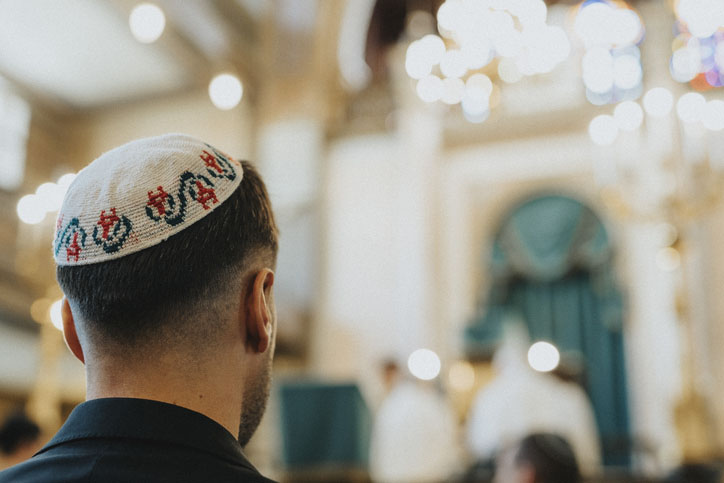
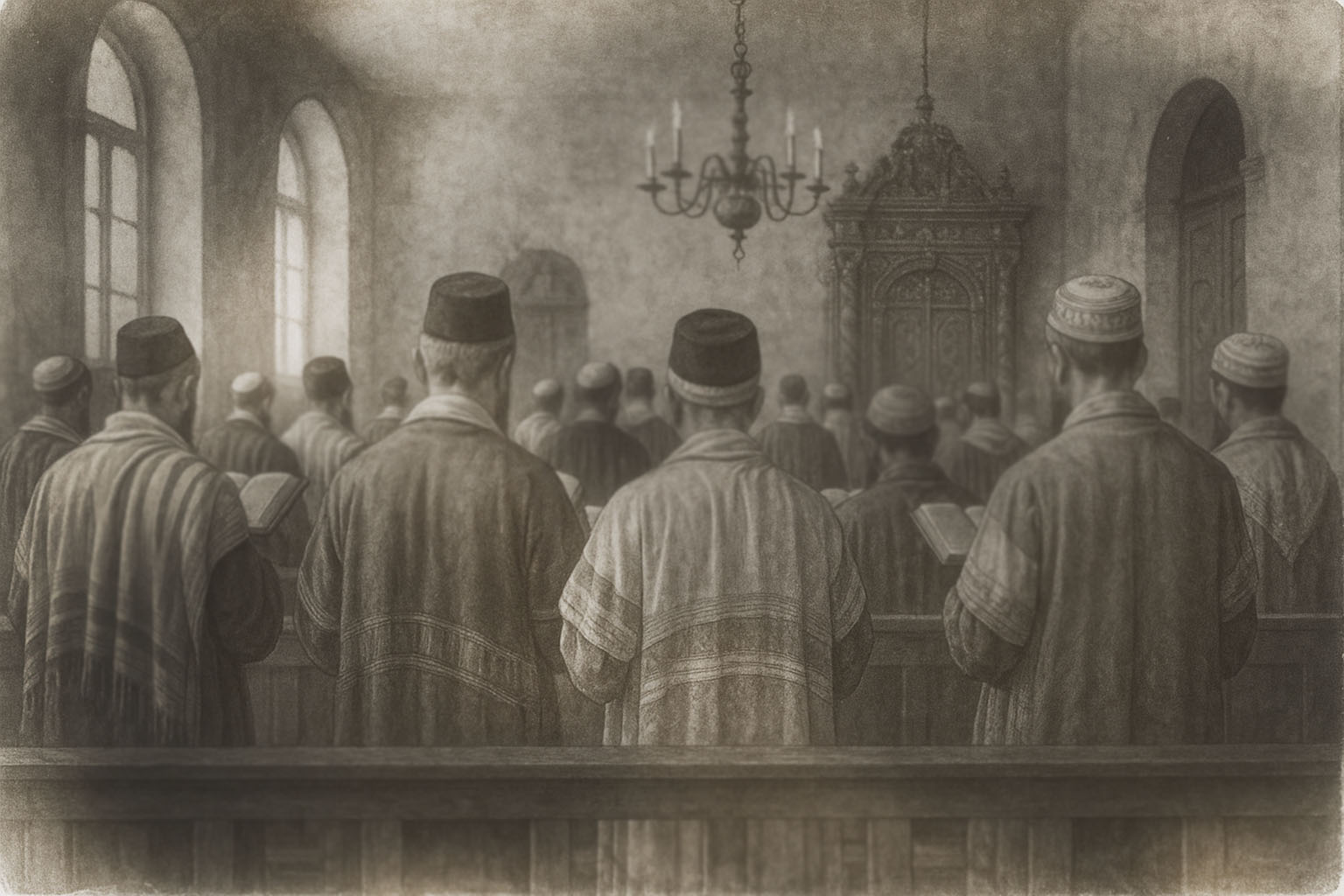
I attended a service on Rosh Hashanah that hasn’t changed in a thousand years. There I was in Pico-Robertson in a shul where I sang the same Rosh Hashanah melodies my ancestors sang in Morocco centuries ago, melodies that only come out this time of year.
Nothing had moved. Nothing had changed.
The only things that moved perhaps were my heart and soul, and the nostalgic part of my brain that longs for the days when I would stand next to my father in Casablanca while singing those very same melodies.
We all have these moments when intense familiarity moves us by its unblemished presence, its very absence of change.
That also holds true for words. The fact that Jews still read from the same Torah scroll may be the ultimate expression of the power of things that don’t change. The world may be spinning out of control, but century after century, our Torah stays exactly as is.
I’ve developed an affinity over the years for things that don’t change — things that don’t try to win me over.
That Casablanca minyan I attended on Rosh Hashanah did nothing to win me over. It was just there, humble, authentic, earnest.
When the rabbi got up to speak, there was no effort to connect to current events or what we’re all feeling these days. No, he spoke about God and Rosh Hashanah. He was trying to be relevant not to our time but to the specific time that had brought us together — the first day of the Jewish year, the day of Creation, judgment and introspection and what that day demanded of us.
The rabbi was sharing what was on his mind, not what he thought was on our mind.
Of course, Jews have always modified aspects of the Jewish tradition to make it more relevant to its time. That’s why we have different denominations. It’s part of our great kaleidoscope. What turns me on about a service that hasn’t changed in 1,000 years won’t necessarily turn on other Jews.
But beyond the issue of individual taste and customs, what matters most about the Jewish holidays is simply that they exist —that they always show up as our rock of stability.
Think of the weekly holiday of Shabbat. We spend the week immersed in the fast-paced frenzy of the world and the stress of our lives, and then what shows up at sundown on Friday? Yes, our very own weekly Rosh Hashanah — that blessed day of renewal that comes to rescue us, week after week.
After Yom Kippur comes Sukkot, another holiday that never fails us, another chance to reconnect with our ancestors and with the lessons of gratitude and humility. Sukkot speaks both to the frailty of the present and the sturdiness of a past that has nourished us for millennia.
Ironically, the fact that our holidays never change enables us to change. We study their timeless lessons to make timely changes in our lives. While they stay the same, we grow. While they stay old, we can renew ourselves.
We know that things that always change — like the news we drown in every day — can never renew us. They can only titillate us.
Jewish holidays, on the other hand, are like a reliable old friend. We love them because they bring out our best, and they’re always there when we need them.
In this month of holiness, the timeless beauty of the holidays will show up to help us uncover our own holiness. They show up and never change, so that we can show up and change.