You may have seen a stunning video created by AI that shows young people from 1985 talking to us—the isolated humans stuck in the dystopian age of 2025.
The video went viral perhaps because it feels both truthful and spooky, giving us a glimpse of a time before technology went from being a tool to being a master of our personal time.
“How’s 2025? I heard no one talks face-to-face anymore and everything’s lived through something called social media,” a teenage character on a bicycle says on the video.
To imagine a time before social media, before the human craving for community was satiated artificially by digital screens selling us the fool’s gold of virtual interaction, is like imagining a time before cars.
But it shouldn’t shock us that technological progress since the 1980s has been a runaway train of miraculous achievements that would come to own more and more of our time and our lives.
After all, tech geniuses are not rabbis. When they come up with faster and better ways to make our lives easier, even if that means isolating us in our bedrooms, that’s a victory. “Will this new technology have an adverse effect on human relationships?” is not in their job description.
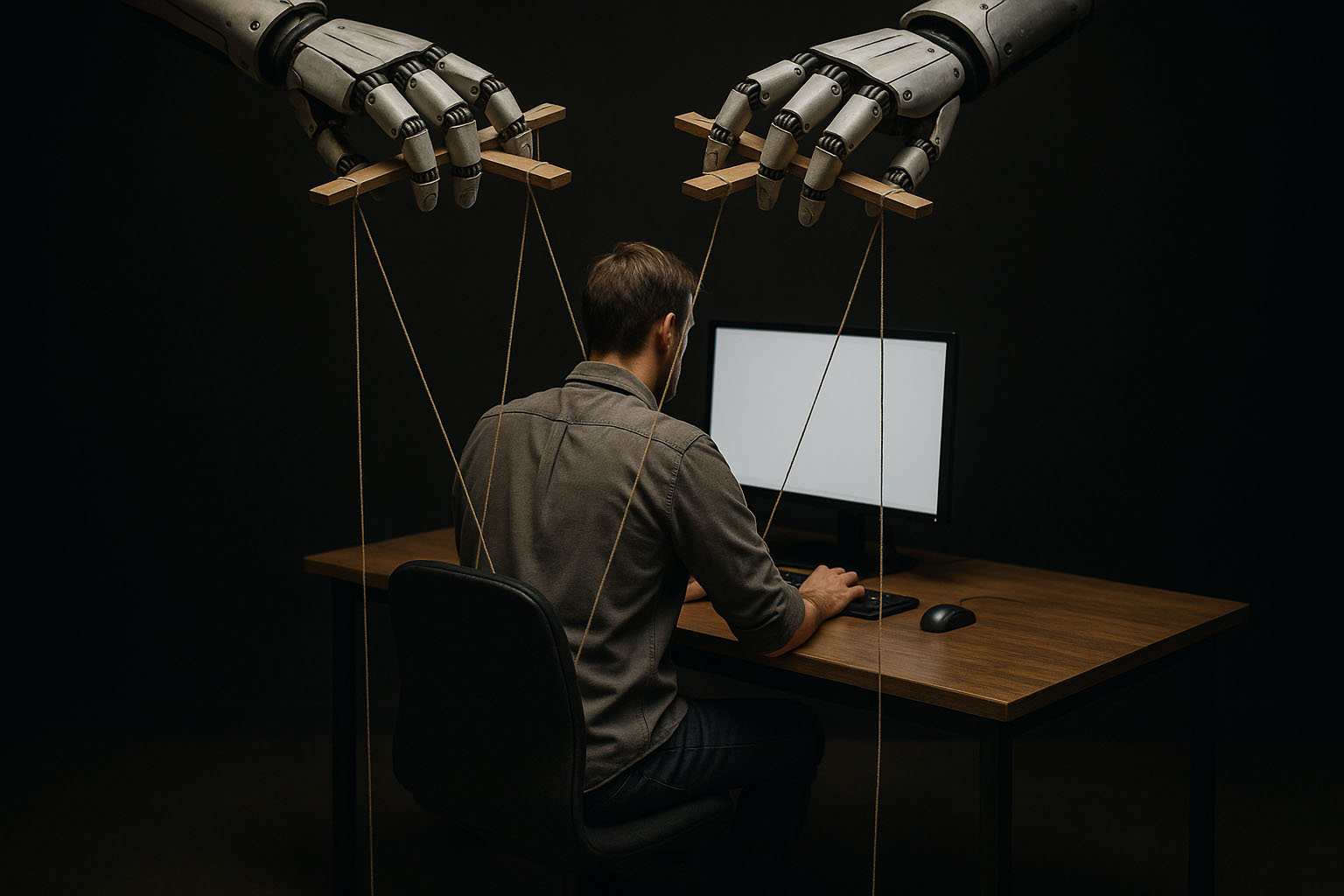
Now the tech geniuses are jumping on the newest and hottest runaway train of Artificial Intelligence (AI), the inevitable final frontier of technology as the master of humans.
If humanity has any hope of keeping its humanity while under such assault, it won’t be through nostalgia of earlier times, like the 1980s portrayed innocently in that AI video. We had our own addictions back then, as we’ve had in every era.
That’s how capitalism works. The peddlers are free to sell us their addictive wares. Just as the masters of Instagram, X and TikTok are making a killing from our digital addictions, the masters of junk food, tobacco, alcohol and even pain-killers have made a killing from our other addictions, not least our addiction to convenience.
The point is, peddlers will peddle, regardless of the human consequences. They’re exploiting one of the great virtues of the Western tradition—freedom of choice. They have the freedom to sell us technology that can isolate us and sap our humanity, and we have the freedom to buy it. And boy have we used it.
Our tech geniuses will continue to lure us with “faster and better and easier” to the point that many of us may no longer need to think, read, research and commune with others.
But while our tech masters exploit their freedom of choice for financial gain, how will we exploit our own freedom of choice for our human gain?
This is where the non-techies come in—the spiritual leaders, poets, artists, nature lovers, educators, philosophers, comedians and others who have an interest in sustaining our humanity.
Faced with the growing alienation triggered by runaway technology, these “masters of humanity” must mobilize in their own ways and lead the response to the peddlers of physical isolation. This doesn’t mean rejecting the wonders of technology; it means not using it as a substitute for the real human connections we crave. We need a new runaway train of human connections.
“Sorry, I’m going for a hike with a friend,” is the free choice that signals our road back.
Not back to the 80s, but back to our humanity.