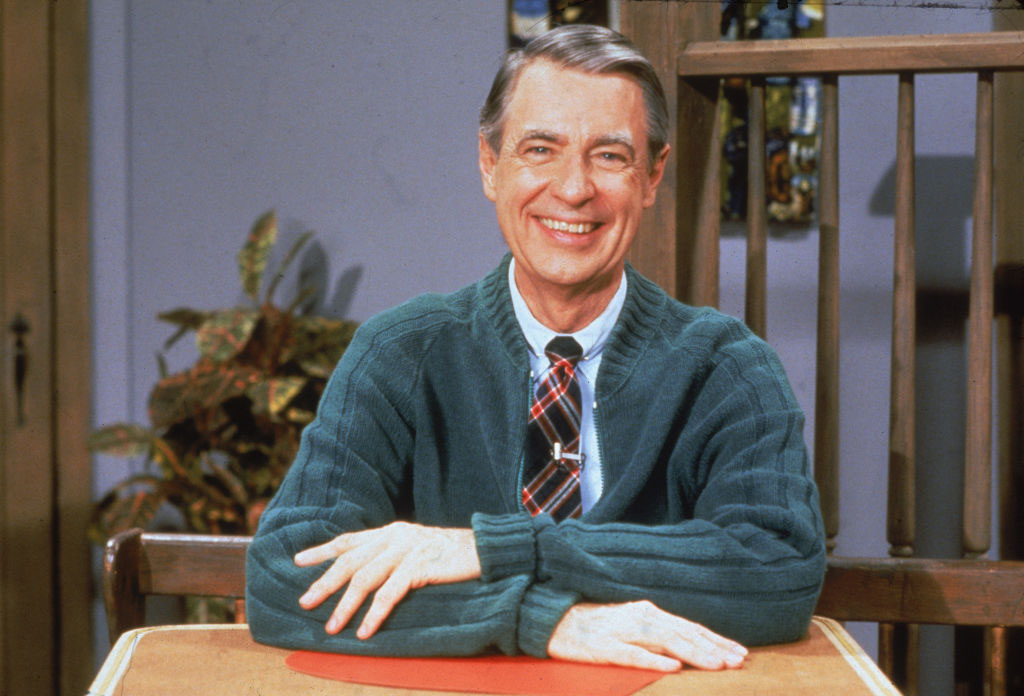
When we return to “Mister Rogers’ Neighborhood,” the feeling that rises first is often less about childhood memories and more about relief. The show offers a rare steadiness: a grown-up who speaks slowly, listens carefully and treats children as fully human. In a culture that rewards speed and spectacle, Fred Rogers’ quiet voice feels like a doorway back to an ideal in which our inner lives were taken seriously and our worth was never up for debate. That nostalgia is moral as much as emotional. Rogers represented the best in selfless giving — an adult using his talents, platform and patience to serve those with the least power. His rituals were simple (a cardigan, sneakers, feeding the fish), yet they said: you matter enough for me to be consistent, to explain myself, to keep my promises. It is hard not to miss that dependable kindness.
Rogers was also ahead of his time in who he welcomed into the “neighborhood.” Long before diversity became a slogan, the show placed people of color on screen as trusted neighbors including musicians, educators, friends, without turning their presence into a lecture. In an era when many communities were marginalized or absent from popular culture, that ordinary togetherness quietly insisted on a wider definition of our daily interconnectivity. The same was true for people with disabilities. The neighborhood made room for difference as part of public life: varied ways of communicating, adaptive tools, different speeds all met with profound respect. Rogers didn’t “teach tolerance” in the abstract; he practiced belonging, showing that community is built through attention, accessibility and care. That word “neighbor” is where the show’s deeper ache lives. Mister Rogers’ Neighborhood wasn’t just a set of characters sharing a zip code; it embodied the village, where people relied on each other. The baker, the mail carrier, the librarian, the musician: each person mattered because each person helped hold daily life together. Problems were handled relationally. He taught us to “look for the helpers” not an app.
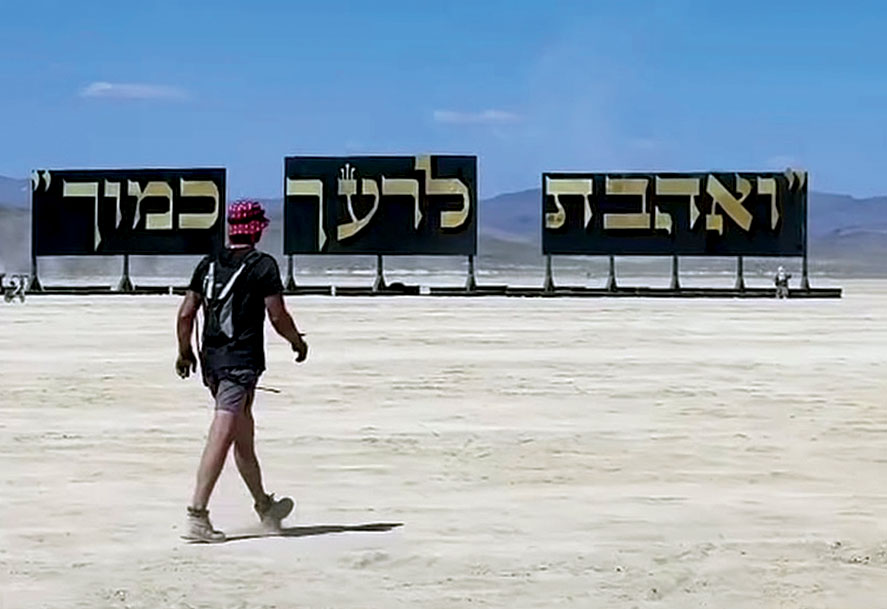
Today, the story we’re sold is rugged individualism: handle it yourself, need less from others. Rogers offered a different story. His nostalgia isn’t escapism; it’s a reminder that interdependence is not weakness. It’s how human beings thrive. In Jewish language, that ethic is captured in the Torah’s charge: ve’ahavta l’reacha kamocha: “love your neighbor as yourself.” It isn’t sentimental; it demands we treat another person’s dignity and needs as real as our own. Rogers translated that responsibility into daily gestures: showing up, paying attention, making space and refusing to turn away from sadness.
In the Los Angeles Jewish community today, the challenge is obvious: a sprawling city can make community feel like an appointment instead of a daily rhythm. Yet many neighborhoods and institutions still model the “Mister Rogers” principle that belonging is built through proximity and repeated care such as walking to shul, seeing the same people weekly, checking on an older neighbor after services, organizing meals for new parents or showing up when someone is sitting shiva. Pockets of walkability near synagogues, schools and kosher markets can still create the chance encounters that turn into real support.
Rogers’ inclusion is also a useful mirror. LA’s Jewish community holds many communities of different backgrounds, observances, languages, family structures and abilities and a village makes room without making people prove they belong. That means planning disability accommodations, designing youth groups and classrooms so every child can participate, and treating the newcomer and the person on the margins as “our neighbor,” not someone else’s responsibility. We watch “Mister Rogers” with such nostalgia because he reminds us of a world that felt more tender and connected and because he suggests it isn’t entirely gone. The village is not a set; it’s a practice built in walkable routines, local institutions and the small bravery of being available to other people. In a time that prizes independence, Rogers invites us back to ve’ahavta l’reacha kamocha: love your neighbor as yourself, and organize your life so you actually meet them.
Lisa Ansell is the Associate Director of the USC Casden Institute and Lecturer of Hebrew Language at Hebrew Union College-Jewish Institute of Religion Los Angeles.