
As an economist who made a career out of analyzing data, I am always on the lookout for an interesting study. And I just found one, summarized in “Performative Virtue-Signaling Has Become a Threat to Higher Ed,” published on August 12 in The Hill.
Over the past three years, researchers conducted almost 1,500 interviews with undergraduates enrolled at two highly selective schools, Northwestern University and the University of Michigan. Their aim was to examine dissonance between how students feel about current issues, and what they say publicly.
The findings are unlikely to shock anyone familiar with higher education today. Seventy-eight percent said that they self-censor with regard to their beliefs around gender identity; 72% with regard to politics; 68% with regard to family values. And, most disturbingly to this veteran teacher, 80% said that they misrepresented their views in an effort to better align with those of their professor. As you might expect, the students weren’t trying to ingratiate themselves with the faculty by posing as conservatives!
The primary takeaway from the study was that 88% of undergraduates pretended to hold more progressive views than they actually do. They did this in order to succeed socially and academically. The authors praised the students for being adaptive, but lamented that rather than develop a true sense of themselves, they conform, learning to “rehearse what is safe,” with potential long-term negative consequences for their personal growth.
And imagine how challenging it is for Jewish students, when a litmus test for fitting in is how vocally you denounce Israel.
According to the authors, “Authenticity, once considered a psychological good, has become a social liability.” We are creating “a generation confident in self-righteousness, but uncertain in self.”
I suspect that what the authors refer to as an “instinct for academic and professional self-preservation” is prevalent well beyond America’s campuses.
How many times have you self-censored in a social or work setting? When you are with pro-Trump friends and colleagues, do you speak somewhat differently than when you are with those who are proud to label themselves “progressives”? I bet most of us do.
Sociologists and psychologists inform us that friendships are in historically short supply. And with all the economic uncertainty, why risk alienating business associates or clients? Perhaps that is why we temper what we say and do. Or maybe during an age of extreme polarization, we recognize that there isn’t much chance of convincing anybody to reexamine his or her views, so we don’t even bother trying.
Being “diplomatic” is thought to be a positive, but if you expend so much time and effort accommodating others, there may come a point when you lose sight of what you actually believe. “Who am I, really?” you may ask.
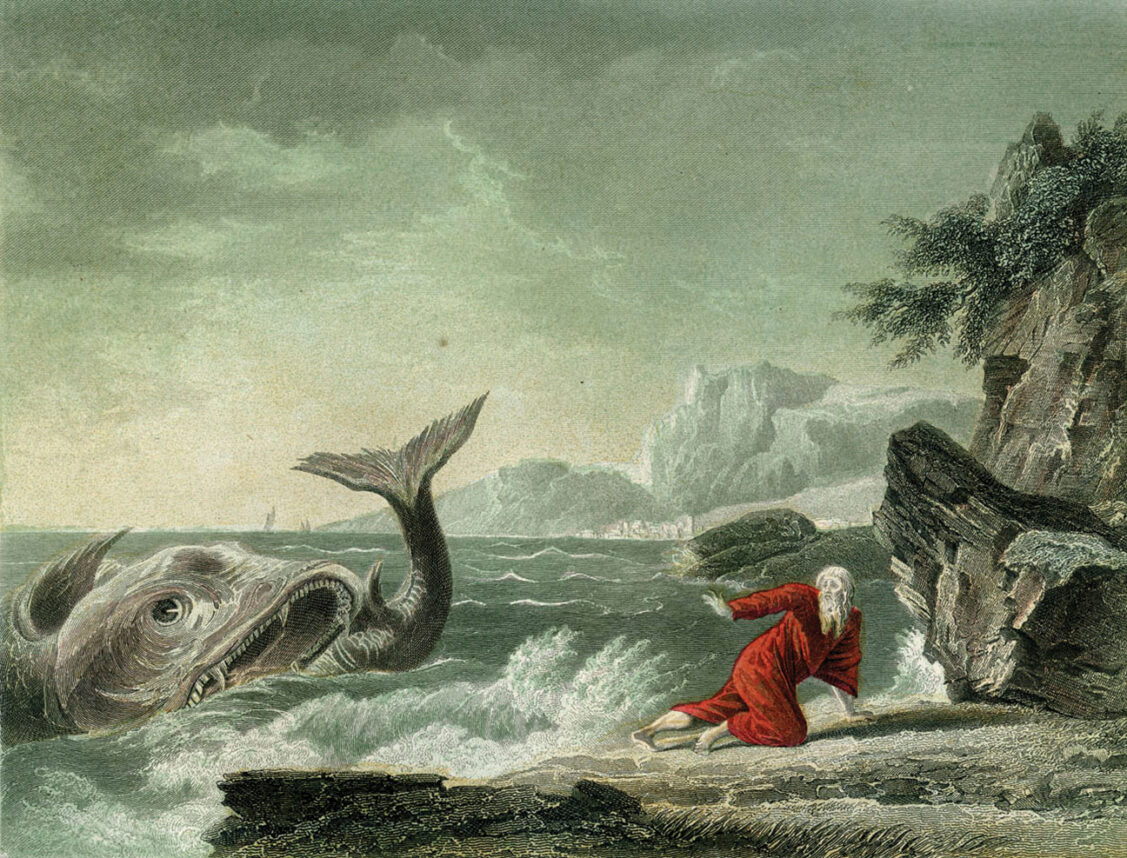
The Torah shows us that it isn’t always easy to determine a person’s motivation in shading the truth. In Deuteronomy 1:22, Moses praises the people for coming up with the idea to send out scouts to explore the promised land. However, an earlier passage, Numbers 13:1, makes it very clear that it was G-d – not the Israelites – who told Moses to send emissaries into Canaan. Was Moses trying to make his audience feel good about themselves? Was he telling a relatively harmless falsehood in order to curry favor? Perhaps Moses, like the undergraduates in the study, was so eager to ingratiate himself that he became “uncertain in self.”
As millions of students embark on their higher education journeys, I implore them not to allow the understandable desire to be accepted to hinder their personal development. Of course, they should be careful to avoid being cancelled – nobody wants that. But they should also be careful that in their effort to conform to the prevailing campus culture, they don’t lose who they are.
The authors conclude that higher education “must give back to students what it has taken from them: the right to believe, and the space to become.”
Don’t all of us deserve as much?
And let’s not forget that while business associates may come and go, true friends are there for you regardless of whether or not your views always align with theirs. And if they reject you due to your beliefs, ask yourself, were they friends in the first place? ■
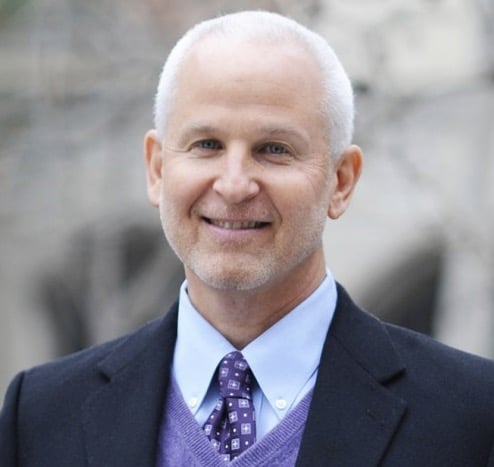
Morton Schapiro served for more than 22 years as President of Northwestern University and Williams College. He taught almost 7,000 undergraduates over his more than 40 years as an economics professor.