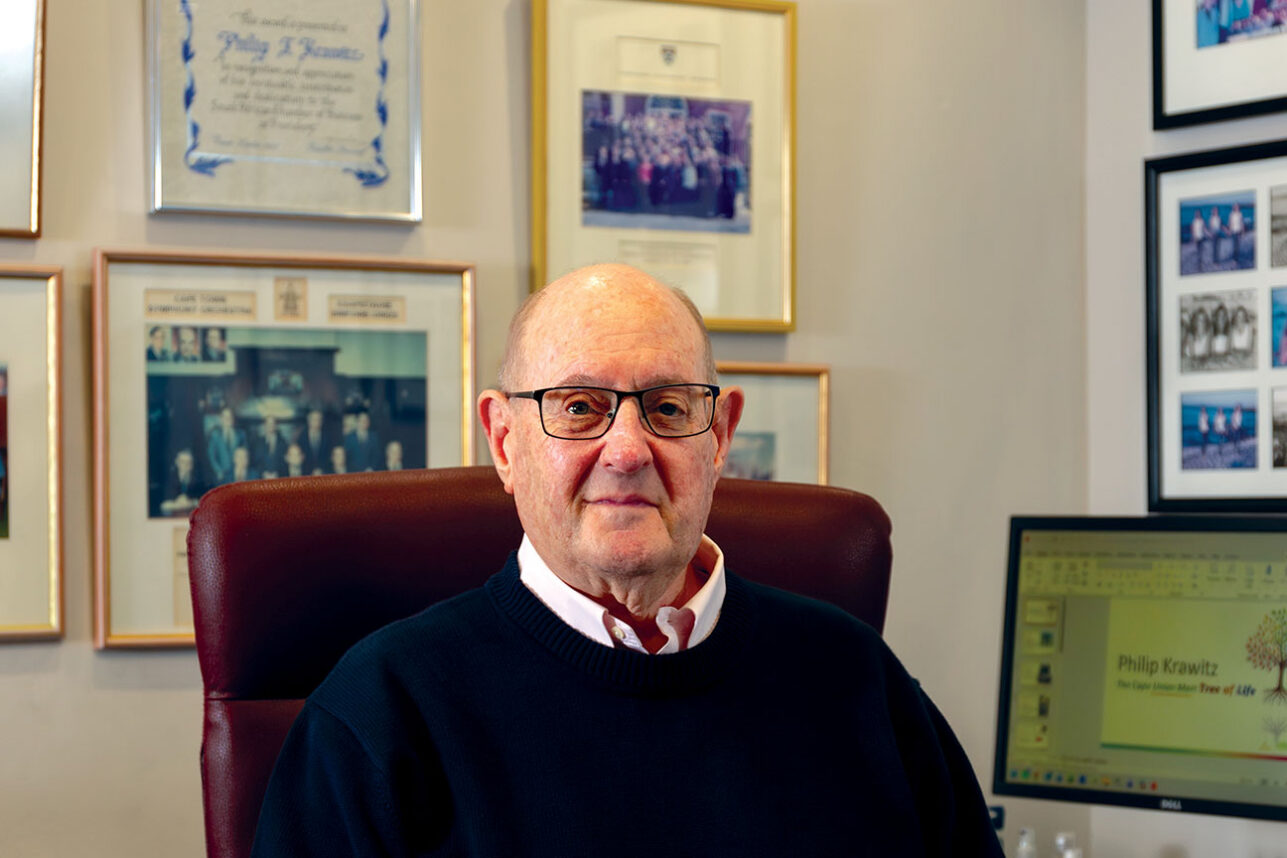

My aliyah story is a bit unusual because I moved to Israel after having been treated for the five years before for a Jewish genetic disease. When I arrived, I made my way to the Gaucher Institute at Shaare Zedek in Jerusalem, where the ranking expert runs a lean medical department. His team of five have published hundreds of papers on Gaucher disease and spearhead several studies on aspects of it. After examining me, Dr. Ari Zimran determined that I, like 50% of all Gaucher patients, don’t need the $30,000-per-month treatments I had received for the previous five years in the United States.
I have been treatment-free and healthy now for six years and counting.
The pharmaceutical companies based in the U.S. that produce the enzyme that transforms Gaucher from a death sentence to a manageable condition have a love-hate relationship with Zimran. Onone hand, because 100% of the population of Israel can travel by taxi to the Gaucher Institute, Zimran’s ability to conduct controlled research is unparalleled. On the other hand, the very fact he advises treatment for only half of his Gaucher patients makes him far less valuable to them than my previous renowned doctors, who prescribed treatment upon diagnosis without a second thought.
The first headline I read that had both the words “Israel” and “Coronavirus” was on March 3, 2020, when there were just 19 cases in the country. It read “Israeli Scientists Work to Test Adapted New Avian Virus Vaccine Against Human Coronavirus,” and it detailed the advanced work of scientists at the Migal Research Institute on a related strain of coronavirus that plagues the poultry industry. They aim to have an oral vaccine within two months, followed by 90 days of clinical trials.
Israel’s decision to quarantine any person who had returned from a virus hot spot on Feb. 2 and any person arriving from anywhere outside of Israel on March 9 did not surprise me. Unlike in the United States, with a population of 330 million, Israel, with 8.6 million, believes it can control the spread of the pandemic within its borders, and it is practiced at mobilizing in response to threat.
Israel is a family, and a very smart one at that.
Whereas commentators are beginning to wonder how Europe will respond to mass quarantines and curfews, and how democracies can enforce such restrictions, these questions are only beginning to arise in Israel. A proposal to allow security service Shin Bet to monitor people’s cellphones as part of the plan to curtail coronavirus is calling into question civil liberties and privacy rights. Israelis dutifully are tracking the news and following the government’s instructions to stay home and limit physical contact. Even the news of the closure of all schools was met with begrudging acceptance.
It is chutzpah like that of Zimran that has guided Israel management of COVID-19, in this case, that of Moshe Bar Siman-Tov, known by his friends as “Barsi,” the first non-medical doctor to lead the Ministry of Health. An economist and part of an elite group known as the “treasury youth,” he quickly has risen through the ranks of Israeli government. His training and experience make him well-suited to assess trends and to understand the devastating impact on the Israeli economy that his decisions are having. Why has he done it? Because Israel values the lives of its citizens above all else. Period.
Israel is drawing on a trifecta of an unparalleled biotech industry, honed skills of mobilizing in response to threat and the Jewish value of taking care of one another. As Israeli Prime Minister Benjamin Netanyahu quoted when addressing the country on March 12, “Am I my brother’s keeper?” (Genesis 4:9) “Yes!” he said. “Your brother’s and your sister’s, your mother’s and father’s, your grandmother’s and grandfather’s.”
Israel is a family, and a very smart one at that. Here, in this tiny slice of the world, this crisis response is motivated by a true value for the life of every citizen and bolstered by the knowledge that the technology for safe and affordable testing and vaccination already is in the works.
Rabbi Sara Brandes is executive director of Or HaLev: Center for Jewish Spirituality and Meditation and Rabbi-in-Residence at Camp Alonim.