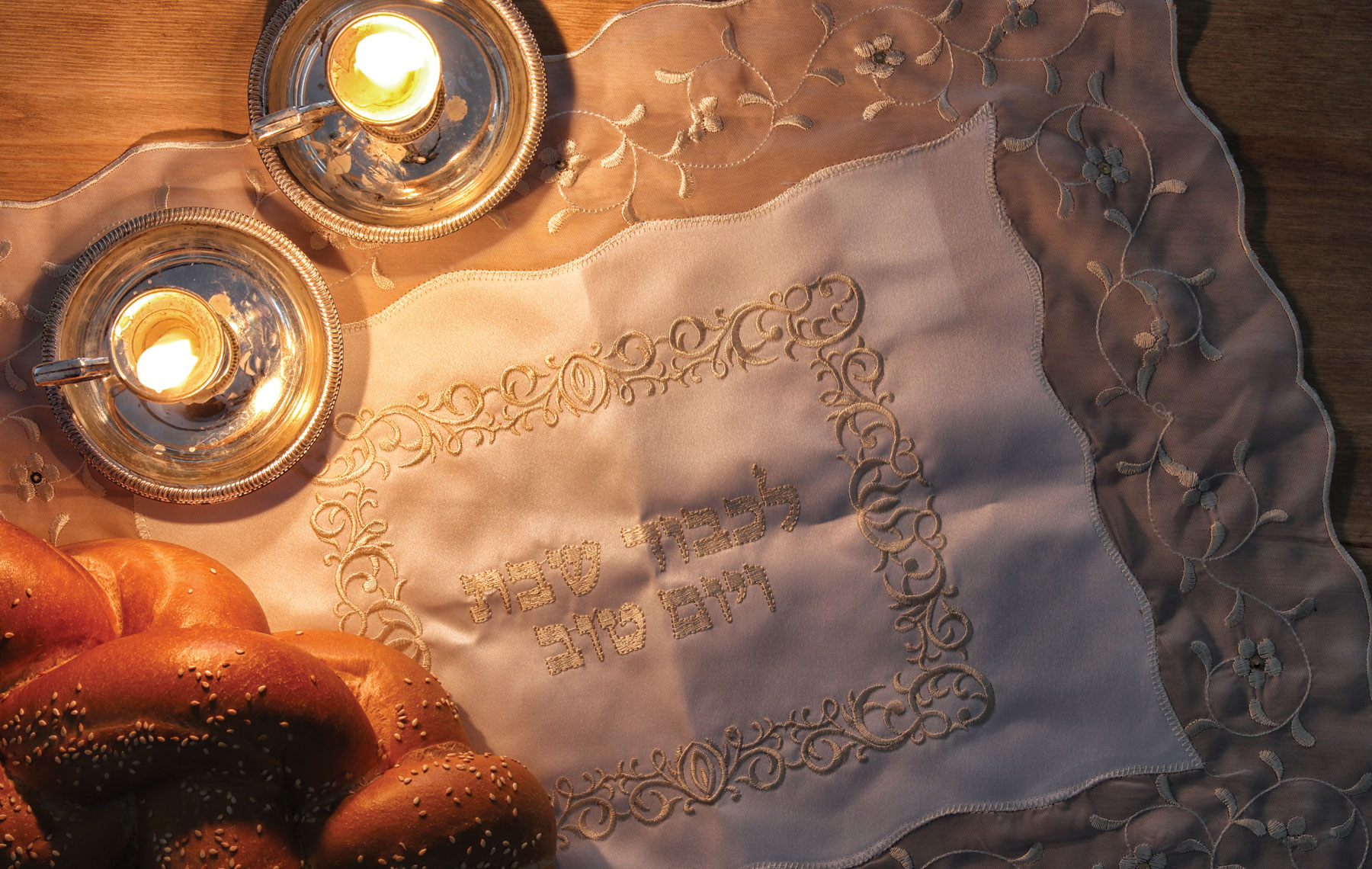
Like many children in the U.S., I once begged my mother to let me attend a Friday night sleepover.
“It’s Shabbat night,” she declared in Persian. “You don’t go out on Shabbat night.”
“Why?” I prodded. “I want to go to this sleepover and eat something called ‘Chinese food.’”
“But we’ve always ‘done’ Shabbat.” she cried. “It’s a time for family and ‘Full House.’”
I should note that I grew up in the 1990s, when ABC aired “TGIF” television programs like, yes, “Full House.”
I didn’t accept my mother’s response because there was no soul in it.
There’s something about this story that’s uniquely Persian, and at the risk of excommunication, I’ve been waiting 20 years to declare the following:
Given our misguided belief that tradition alone is enough to ensure Jewish continuity, many Iranian American Jews likely will not have Jewish descendants in the coming decades.
It’s our fault. We applied an old formula to a new country.
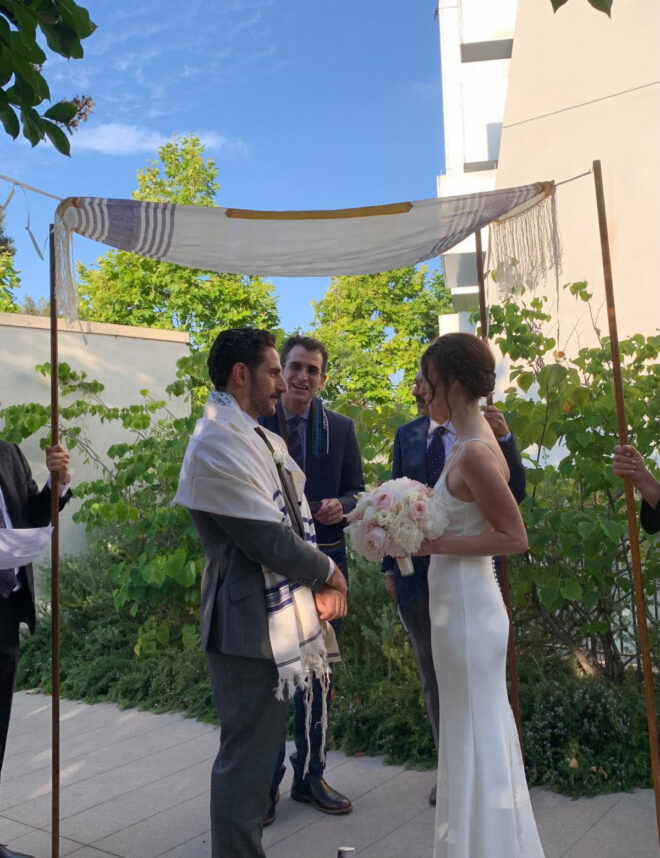
In Iran, we didn’t worry much about assimilation. First, social anti-Semitism made marriage between Jews and non-Jews very difficult. In the U.S., anti-Semitism doesn’t break up relationships. For Persian Jews, the job of promoting Jewish marriage often belongs to parents, and if those parents die without having imprinted the need and beauty of Jewish continuity, intermarriage will be the result.
“If your kids find little meaning in synagogue services, find another synagogue.”
Second, we felt less need in Iran to go beyond tradition (toward more learning and Jewish practice), particularly after the 1979 Islamic Revolution, because we were merely trying to survive. No one worries about whether their children will retain their Jewish identity in a country that constantly keeps them in their place as Jews. That’s not an issue in the U.S.
Third, there was an unspoken distance between Muslim and Jewish children in Iran. Often, they learned and played together (at non-Jewish schools), but the level of interaction that Jewish children who attend public schools in the U.S. today have with non-Jewish friends is much greater.
In Tehran, I didn’t partake in non-Jewish traditions with non-Jewish children; in the U.S., I couldn’t wait to help my Christian friends hang ornaments on their Christmas trees, and I viewed them — with their “free” Friday nights — as truly liberated.
There are many Persian Jews who actively are staying connected to Judaism but they now seem a minority.
The High Holy Days are a good time to observe my assumption in practice. If you’re a parent, ask yourself if your children — whether 12 or 25 — are exhibiting true joy, or at least, curiosity, about the holidays, or are they simply going through the motions? Are you basically forcing them to attend synagogue services? There’s no joy in that.
Do they ask even one meaningful question at the Rosh Hashanah table, or do they view the meal as a mandatory experience to which they must “pay their dues” before returning to their beloved phones?
Are you using this extraordinary time of year to guide your children, or are your children watching as you roll your eyes in synagogue because you’re bored out of your mind, too?
I’m Persian, and I don’t get Persians.
Beautifully but maddeningly traditional, we actually throw ourselves at sefer Torahs when they’re brought down to the pews, but in our homes, we outsource our children’s hearts and souls to their friends and phones.
My mother used to practically shove other women out of the way to steal a kiss on the Torah, but she never managed to invade my heart with an intoxicating love of being Jewish, because her mother had raised her only with tradition, too.
But my mother grew up in Iran. In the U.S., my Judaism was competing with public school and Friday night sleepovers.
If your kids find little meaning in synagogue services, find another synagogue. If they associate Shabbat only with food (however comforting) and idle chatter, start telling stories. Above all, if they don’t exhibit passion about being Jewish, you must start modeling this for them by practicing Jewish customs with joy — right before their eyes.
Soulful joy makes for a full house.
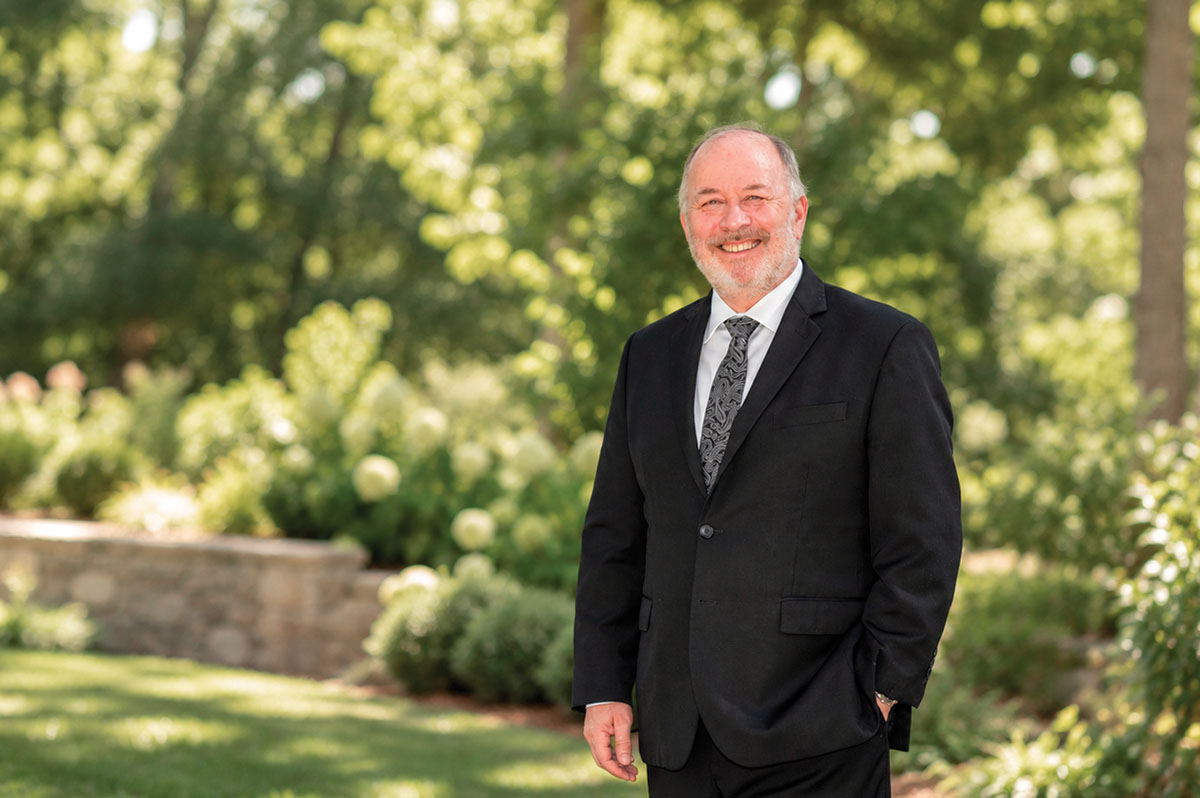
Tabby Refael is a Los Angeles-based writer and speaker.