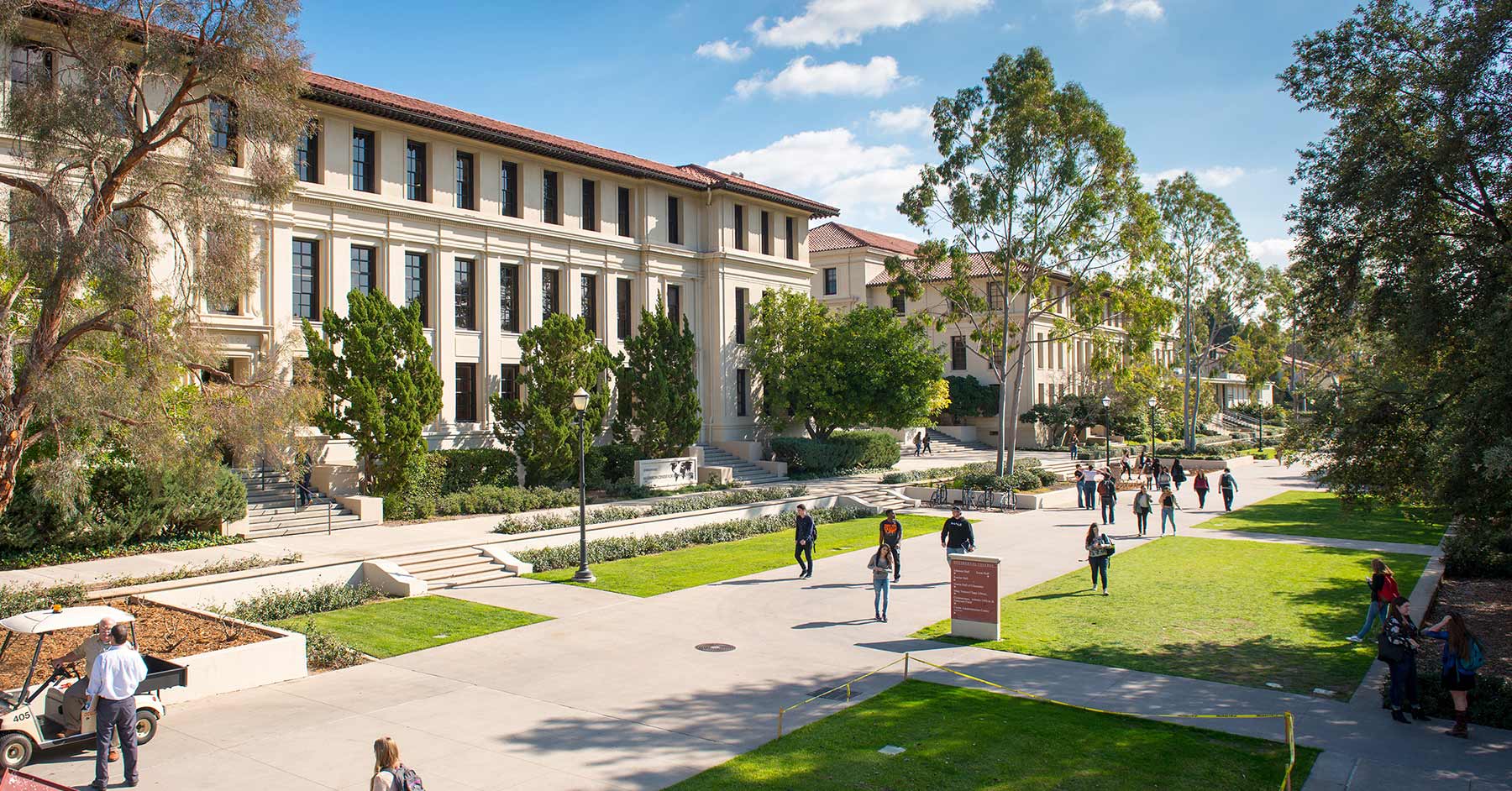
I stand with the anonymous fellow student who informed the Journal about Occidental’s Israeli Apartheid Week. Although students at my school have dismissed his perspective, I can affirm it. As a pro-Israel, pro-peace American Jew, I passed that wall every day, often unsettled. A wall that uses the words Jews and Israelis interchangeably, fails to mention the terrorist group Hamas, and discusses the history of Israel without the Holocaust, settles in comfortably with a campus culture that sees polarization as indicative of its vitality.
But, I’m not surprised. How is this situation any different than the incident that happened at Cornell, or at Duke, or the mania that has swept college campuses? Most American college students don’t support the human rights violations taking place in Israel. Yet, only a few can articulate politically effective solutions that don’t involve the annihilation of Israel or blame the Jews for their intergenerational trauma.
Like many American college students, I believe we should remain critical of Israel’s government. However, I’m tired of the rhetoric to achieve that goal, often invoking decades-old stereotypes and equating Zionism with white supremacy. The way we articulate our political ideologies is just as important as the ideologies themselves. The issue being explored on college campuses is no longer about holding Israel accountable, but has strayed into why Jews should feel morally culpable for their history and religious beliefs.
The majority of the students on my campus aren’t Jewish or Palestinian, nor have they visited the Middle East, nor have they read extensively about the conflict from a variety of sources. This is not to suggest we cannot be invested in a movement that hasn’t affected us. However, when groups like Students for Justice in Palestine (SJP) or Jewish Student Union (JSU) control students’ accessibility to information, they’re working with a population that tends to have little to no exposure to the issue. These same movements urge Jewish students not to visit Israel, even if that trip has an alternative agenda, such as the ones J Street offers. How can we learn firsthand about these contentious issues otherwise?
Furthermore, suppressing voices or engendering social pushback is often key to these movements’ interactions. Groups like JSU and SJP often heavily support anti-normalization. Broadly, this is a policy of many anti-Israel extremists to not engage with Jews, Israelis and anyone who believes in Israel’s right to exist. Specifically on college campuses, these groups will refuse to work with any groups that support the concept of a Jewish homeland. They’ll shut down any viewpoints that contradict theirs, hindering any chance at healthy dialogue.
“Liberal colleges have become moral playgrounds — we pit ourselves against one another to determine who is more progressive.”
As a student who believes in a two-state solution, I am disappointed at this state of affairs. Liberal colleges have become moral playgrounds — we pit ourselves against one another to determine who is more progressive. According to these standards, students who think Israel has political legitimacy are pegged as white supremacists. Anyone who believes in a Jewish homeland is an enemy to Palestinian liberation. Dissociation with your religious identity is simply the price one must pay to feel comfortable on today’s college campuses.
So I stand with the student who reported Occidental’s Israeli Apartheid Week. For a movement that believes Jews should completely disregard their social and emotional ties to Israel, we are constantly being pulled back in.
Jews, who represent less than one percent of the world’s population are increasingly pushed out of leftist spaces, including college campuses. Students on my campus openly advocate for the demolition of Israel — a country that is home to almost half the world’s Jews. It’s discouraging to think that these same voices are going to be deciding the future of BDS on college campuses, or our nation’s next political leaders. Until these movements provide spaces where Jews feel comfortable reclaiming their definitions of anti-Semitism, we are denying the same freedoms our institutions claim to embody.
Maddie Solomon is a first-year politics major at Occidental College from Denver.