Even though most Jewish holidays and celebrations begin with the blessing over challah, I’ve never learned how to bake it. Challah is one of my favorite foods, so every now and then, when I’d see a recipe online — “Challah in a Bag,” “Easy Challah,” “Challah in the Instant Pot” — I would it print out and stick it in a file … never to be seen again.
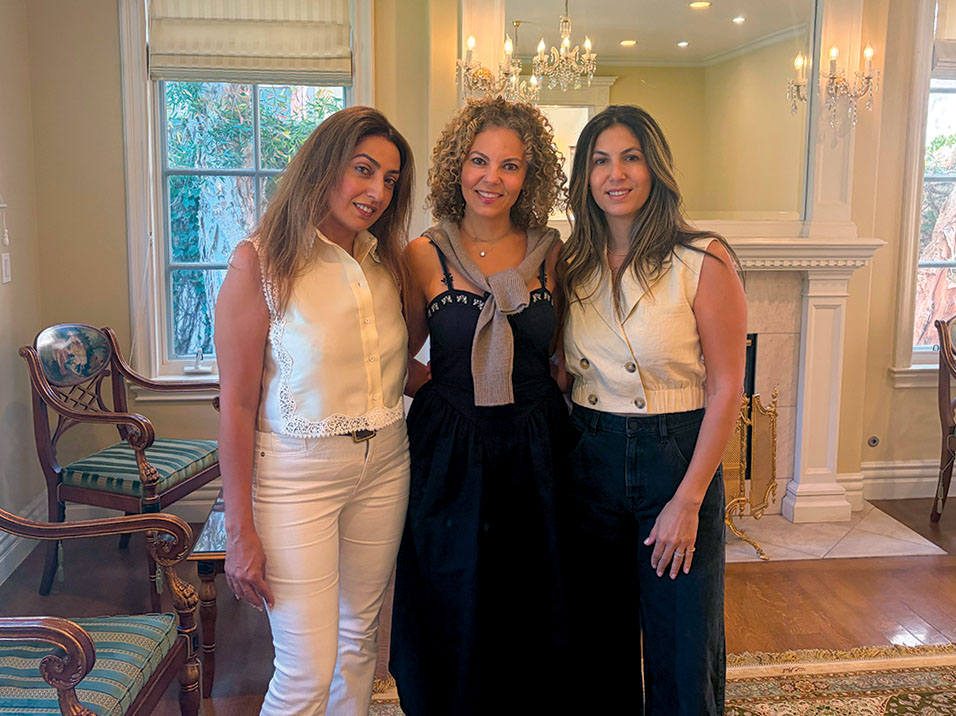
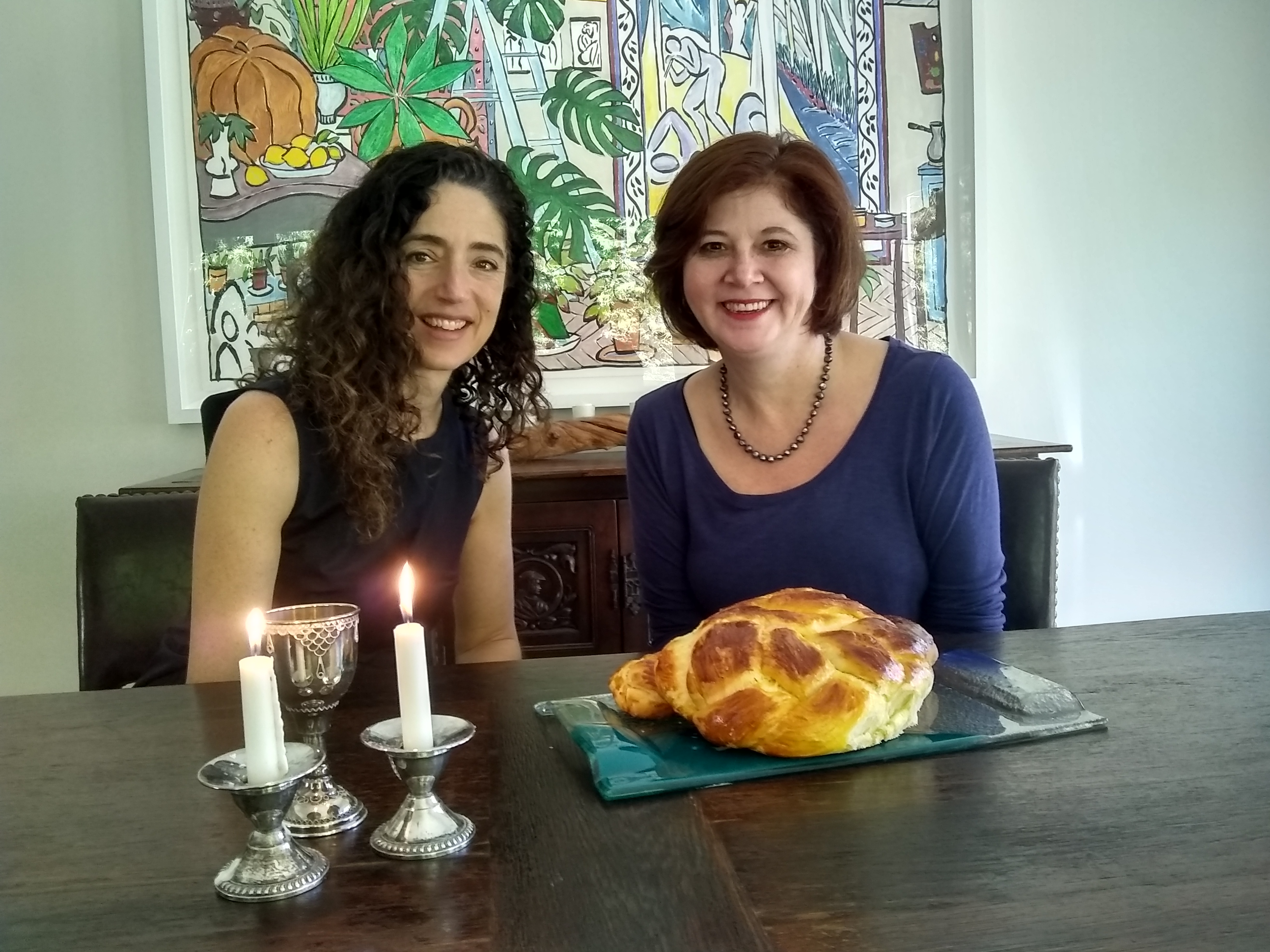
Then I met Beth Ricanati, author of the hugely successful “Braided: A Journey of a Thousand Challahs.” She agreed to teach me how to bake challah.
Ricanati told me that challah had saved her life. More than 10 years ago, she was at her wits’ end from juggling her work as a physician at a Midwest hospital with raising her three young children. Around Rosh Hashanah, a friend suggested she bake challah. Taking time out to bake challah each week, she said, brought much-needed balance back into her life.
Ricanati said baking challah taught her about the power of community. Whether she bakes alone or with others, just knowing women around the world are preparing for Shabbat at the same time in the same way creates a connection.
When I arrived at Ricanati’s home for my lesson, all the ingredients — yeast, oil, eggs, sugar, flour and salt — were already laid out, along with the bowls and utensils. Ricanati explained that we would be baking two challot to symbolize the double portion of manna distributed on Shabbat during the Israelites’ Exodus from Egypt.
Before we began, Ricanati asked me to set our intention. She said the challah doesn’t taste as good if she doesn’t start off with this acknowledgment. And so we made our challah in honor of “the health and happiness of beloved friends and family.”
First, we mixed warm water and sugar with the yeast. We put that mixture aside to “bloom” while we combined the rest of the ingredients — and 2 cups of the flour — in a separate bowl. After adding in the yeast mixture, we put in another cup of flour and continued to add flour as needed. As we kneaded the dough, we chatted, confirming Ricanati’s message about community. She put the oil in the bottom of a mixing bowl, where we placed the kneaded dough and waited for it to rise.
“I didn’t think anything could smell better than the aroma of chicken soup. I was wrong. We took our challot out of the oven, said the blessing and literally broke bread.”
When the dough was ready, we partook in another ritual. This one, I discovered, was the difference between making challah and baking bread.
“The mitzvah of making challah has to do with this idea of the separation of challah,” Ricanati explained. “We take a piece [of the dough], separate it, say a blessing and get rid of it. That is to commemorate when we used to make an offering at the Temple.”
We then took out the remaining dough and cut it into six pieces, which we turned into long strands. My sections, and resulting braids, were so uneven I turned my second loaf into a round challah. Still, they were passable for my first attempt. We painted our challot with an egg wash and put them in the oven.
And then came that aroma! I didn’t think anything could smell better than the aroma of chicken soup. I was wrong. We took our challot out of the oven, said the blessing and literally broke bread. The challah was delicious.
As I’ve reflected on the experience, I’ve wondered what took me so long. How is it possible that I never made challah before? Sorry, local bakeries, I may never buy challah again.
I am still seeking items for my 2019 Jewish bucket list. Please send your ideas to deckerling@gmail.com.