There was this woman in front of me in line at my favorite café in Bedoin.
Younger than me, in shorts and sandals and freshly-showered long hair in a topknot.
She was with her grandmother—petite silver-haired, but solid like a square, skin like paper, and blue veins snaking up her hands.
The young woman held her grandmother’s hand and stroked the top of it with her other free hand.
‘”You want a coffee? Or rather a glass of wine?”
“Coffee is fine.”
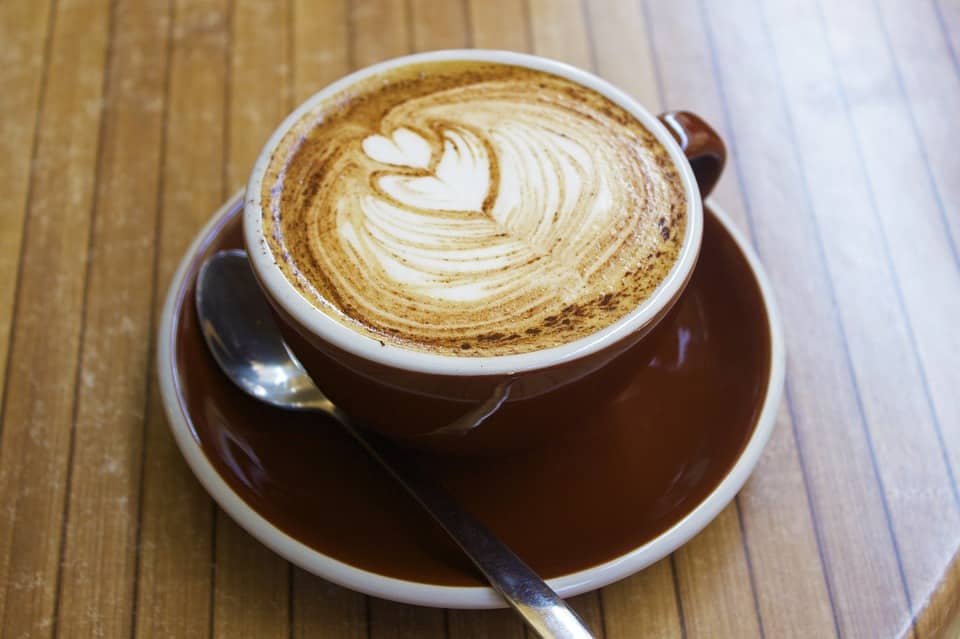
The young woman ordered two coffees, still holding her grandmother’s hand.
When she did take her hand away, it was to trace the tips of her fingers up and down her grandmothers back. Then she rubbed gently in circles. When the coffee’s arrived, she put her arm around her grandmother’s waist, and lead her to the table.
I tried not to stare but I was blinking back tears.
My own grandmother, who I adored, whenever I asked how she was while she was still alive she’d say, “ I’m OK, Dolly, I just feel lonesome sometimes.”
One time when I was in high school, she asked me to massage her shoulders. I did, and her shoulders were almost impossible to knead through, like two rocks.
It didn’t occur to me as a teenager how hard it must be, as a senior, to live without access to touch.
I sat drinking my coffee, watching this young woman with her grandmother.
And I wished to God that I had massaged my grandmother’s shoulders more often.
When I was little, she would pick me up from nursery school wearing sunglasses and a fur coat, even in the L.A. weather.
We’d go sit at Café Casino on Ocean Ave, and watch the birds in the bath.
She’d order coffee—Grandma loved coffee—and put in lots of cream and Sweet n’ Low from the pink packages.
I’d always ask for a “baby coffee” which meant her pouring a little of the sweet creamy coffee into one of the empty plastic cream containers.
“Don’t tell your mother,” she’d say.
And we’d solemnly clink glasses, two ladies, age 4 and 80, having coffee in the sunshine.
I’m glad she’s not here for the coronavirus—she wouldn’t have enjoyed this chapter.
But I do think she would love having coffee with me in a café in Bedoin.
And I would hold her hand, and stroke the top of it, and ask her to tell me stories about Brooklyn in the 1950s, and how she became a secretary, and about her sisters, and about beauty secrets like putting ice cubes and milk on her face.
And she would tell me to never cut me hair, and ask if I’m circulating (redundant question during coronavirus) and say, “ I love you, Dolly.”