
On Shemini Atzeret, we not only celebrate the eighth day following Sukkot, and remember our loved ones during yahrzeit, we also pray for rain. Rain— for those who have not seen it in months or even years— is water that falls from the sky in copious amounts. It quenches our thirst, hydrates our agriculture and cools us off on sweltering hot days
Los Angeles and its residents might not be as familiar with the concept of rain, but we are no strangers to the heatwaves that hit us daily. After experiencing (and surviving) my first summer living in the valley, I wondered how anyone could bear to live like this. I’d like to thank my A/C for being there in my time of need.
The dry, intense heat was nice to my frizzy curls, but not kind to my demeanor. I found myself more agitated by my friends; short-tempered to random strangers and even snapped at those I loved. I wondered where my bubbly midwestern personality went. Then it dawned on me: I was angry because I was hot and hadn’t seen or felt a cool rain in months.
Brian Lickel, a social psychologist at the University of Massachusetts, once said that when people are hot they tend to get cranky.
“It makes people more prone to anger,” he said. “It makes people more frustrated, and it makes decision making more impulsive. And that can lead to altercations that escalate to more extreme levels of aggression.”
Though it seems obvious, when temperatures climb, and rain is nowhere in sight, we tend to become “hot-headed.” Rain, or lack of it, has an impact on us.
My heat-driven anger made me think of Spike Lee’s 1989 film, “Do the Right Thing.” It’s set during one of the hottest days of the year where heat is used to turn the anger up to an ultimate high. Fights break out, gunshots are fired and chaos fills the screen, all because social tensions were met with rising temperatures. Lee isn’t the first person to use this cinematic trope but he did make a lasting impression with it.
Heated arguments can not only turn ugly faster but stay with a person forever.
It’s why this holiday aligns so nicely with the High Holy Days. Rosh Hashanah and Yom Kippur allow us to start fresh with a clean slate, help us forgive and ask for forgiveness. Sukkot lets us enjoy the harvest and the outdoors by gathering with family and friends.
Shemini Atzeret lets us pray for the rain that will tend to the earth and help us when we will need the most: spiritually and literally.
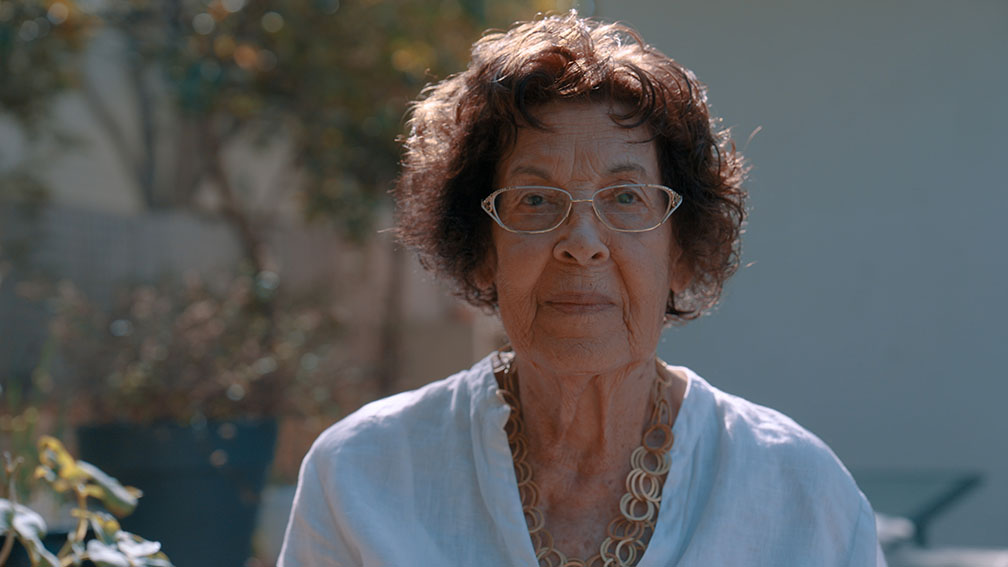
Growing up, my Bubbie always told me that we needed the rain whenever we got it.
“Look, it’s feeding the plants, it makes them feel good,” she would say while offering me another piece of Mandel bread.
She loves the rain because it floods (no pun intended) her home with color. I think she liked the rain because it gave her a break from watering her large and beautiful backyard garden.
Rain is able to cool us off so we can think more clearly. It’s a wet, heavy blanket that falls and hits us right on the head to make us work through our current emotions.
It can nourish us while lending the strength to move forward in the new year.
We ask God for rain where rain is not seen. Rain isn’t seen where there is tension. Rain is not always seen on the days we forget our 5779 resolutions.
This year we will be angry, hurt and want to hold a grudge. It’s unavoidable because we’re imperfect human beings.
It’s why we need to listen to my Bubbie and enjoy the rain when it comes — and pray for more of it everywhere.
Of course, here in Los Angeles, we might only get an inch of rain while many around the world will get hit with disastrous amounts. This year while asking for raindrops, we should let Shemini Atzeret remind us to cool off when we get too hot.
When we feel like yelling, causing a scene, or about to do things we will regret, take a deep breath. Stay present. Imagine a cold front with rain clouds sweeping in to bring our inner temperature down, granting us to resolve the conflict.
On Monday when many go to shul they will say or hear a prayer for geshem (rain in Hebrew). The importance of this prayer is not just to rejuvenate the world, it’s to symbolically rejuvenate us.
Erin Ben-Moche is a Los Angeles journalist and the digital content manager at The Jewish Journal.