
What If Jewish Americans Just Showed Up?
We mourn on Oct. 7, but Nov. 8 gave us something to celebrate: a community that showed up, on its feet, public and proud. Now we need to make that response a habit.

We mourn on Oct. 7, but Nov. 8 gave us something to celebrate: a community that showed up, on its feet, public and proud. Now we need to make that response a habit.

Who’s got time to crack up in these crazy times? Well, I do.

Over the last month, Americans and Israelis voted in elections that were consequential to the characters of both countries. For many, these elections represented inflection points, signaling the directions their respective societies will take moving forward.

The future of the U.S.-Israel relationship will not be secured by winning one more primary. It will depend on whether Americans understand why Israel matters, why Jewish self-determination is legitimate, and why the alliance benefits both nations.

Everyone is entitled to choose how to live, but the state is not obliged to finance every choice. Those who do not complete secondary education, do not serve in the military, and do not work should not receive state support to maintain that way of life.

Trump said Prime Minister Benjamin Netanyahu had agreed to the change and argued that Israel no longer needed the funding.

It is easy to be proudly Jewish when our identity is celebrated. It is harder when Jewish solidarity demands disagreeing with one’s friends or political party.
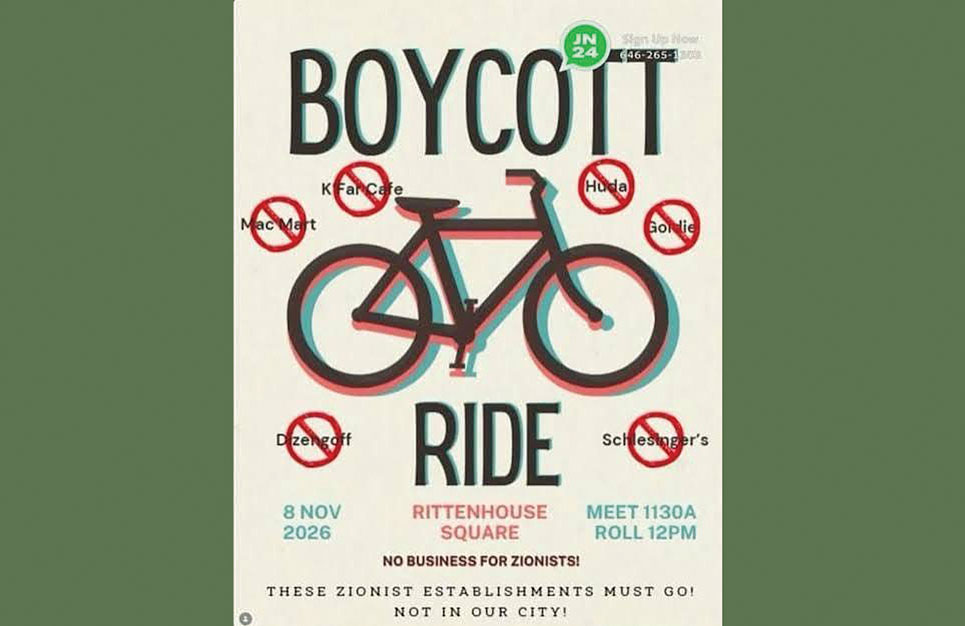
What’s most troubling is that, much like what happened in Germany on that horrible night, the participants in the bike ride were normal people, your friends and neighbors.
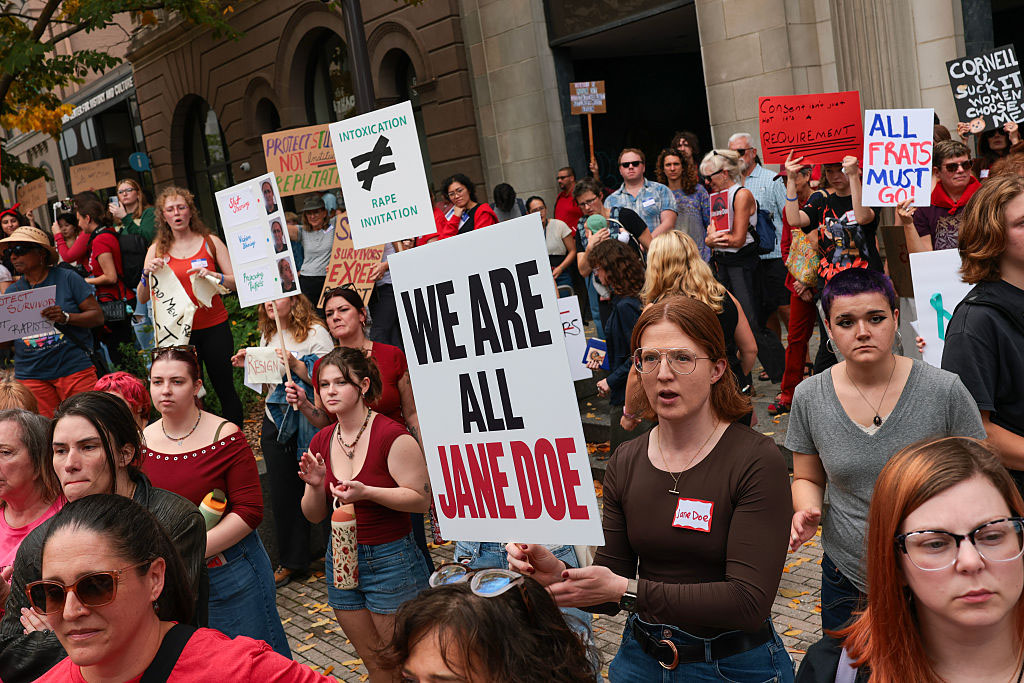
We might vow to distance ourselves from those who do evil, but when it involves friends and family, it can be excruciating to do so.

The term “f-bomb” has become obsolete. The one-time shocker is so common that it’s more of an f-firecracker.




