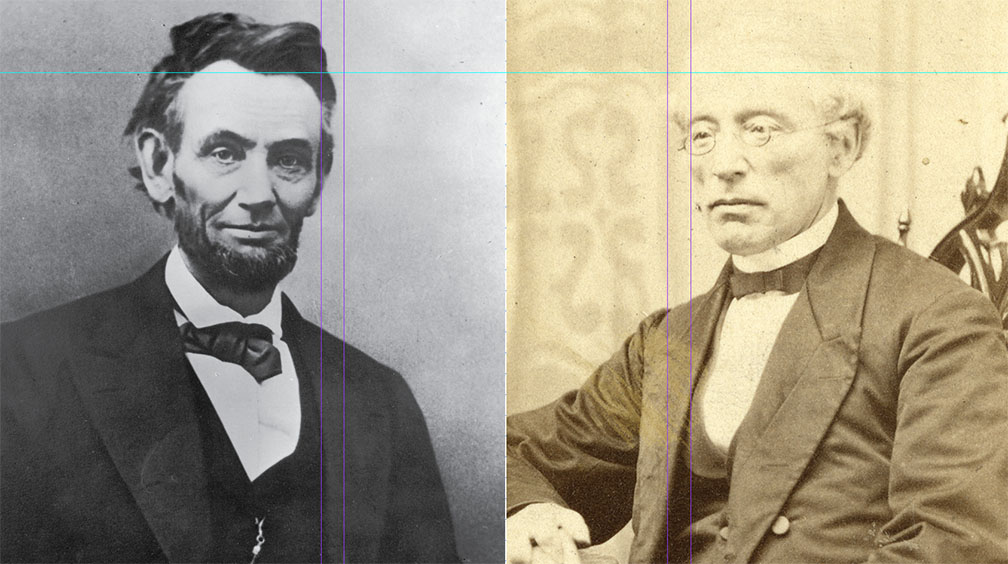
The Legacy of Lincoln, and Passover, from Generation to Generation
Rabbi Max Lilienthal understood that like Moses, Lincoln’s impact would achieve immortality.


Rabbi Max Lilienthal understood that like Moses, Lincoln’s impact would achieve immortality.

As the Iranian people yearn for their liberation, a reflection on the improbable connection between ancient Persian civilization and the Jewish holiday of freedom.
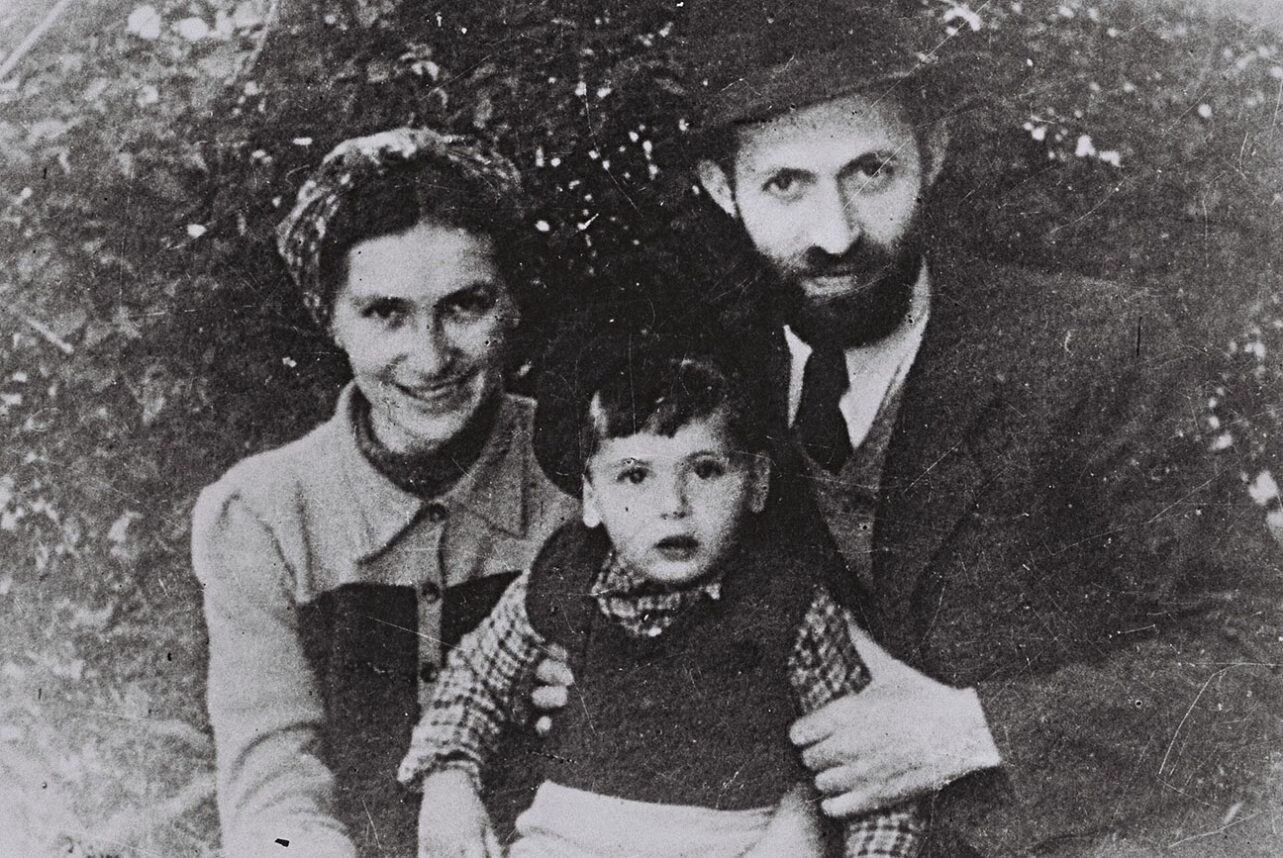
While the Jewish people continue to face enemies seeking our destruction, we continue to survive.
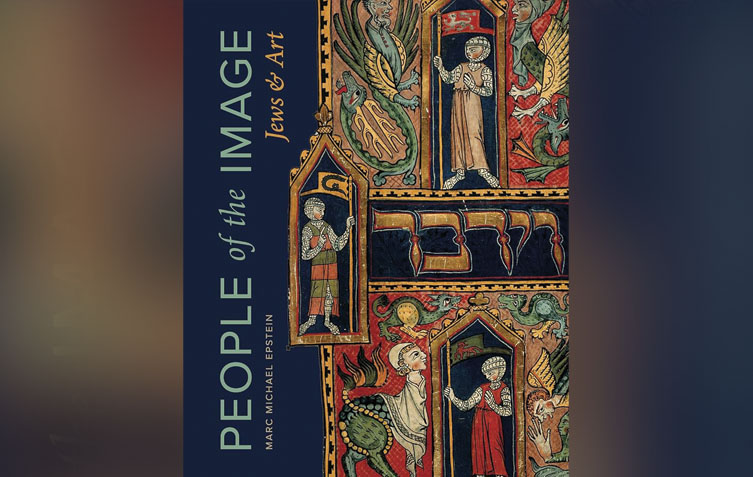
Canines’ renowned loyalty was a natural representation of the “loyal transmission of the divine mandate from generation to generation.”
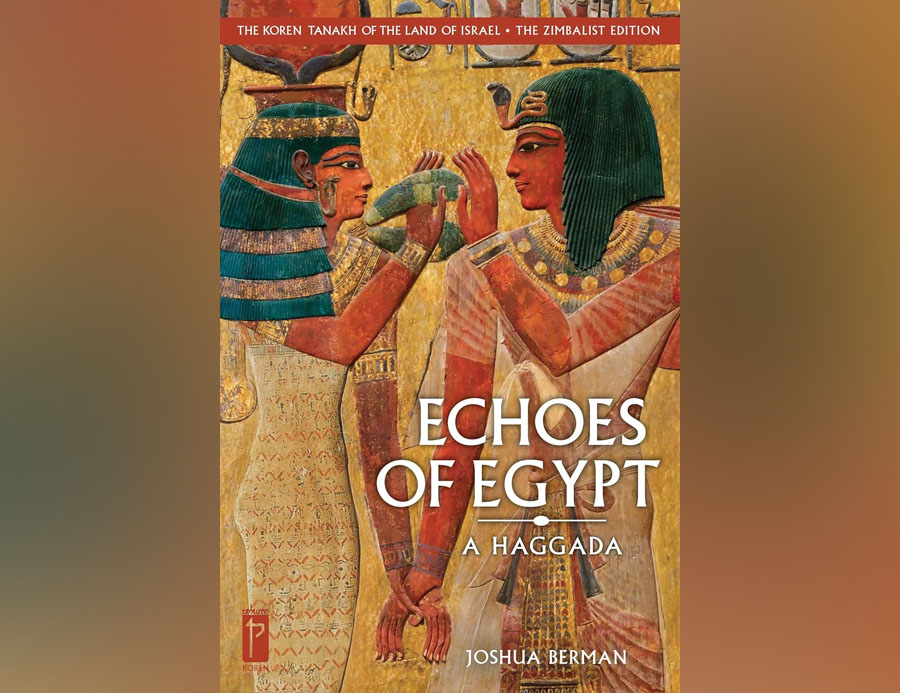
As Bar Ilan University professor Joshua Berman engagingly and convincingly demonstrates in his “Echoes of Egypt” Haggadah, the process by which the Passover story took shape was as a polemic against the belief system and symbols of authority of Pharaoh and his people.
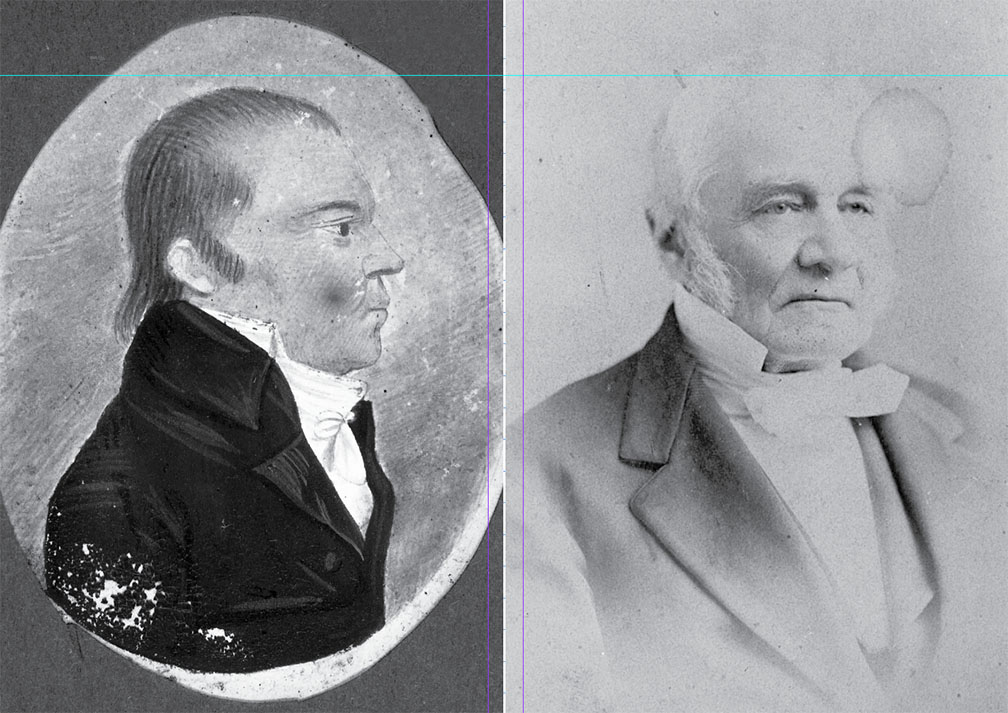
With the biblical tale read on the holiday of Purim twice – once in the evening, once the next morning – it’s occasion to remember a pair of heroic American Mordecais, one by that first name and one with that last.
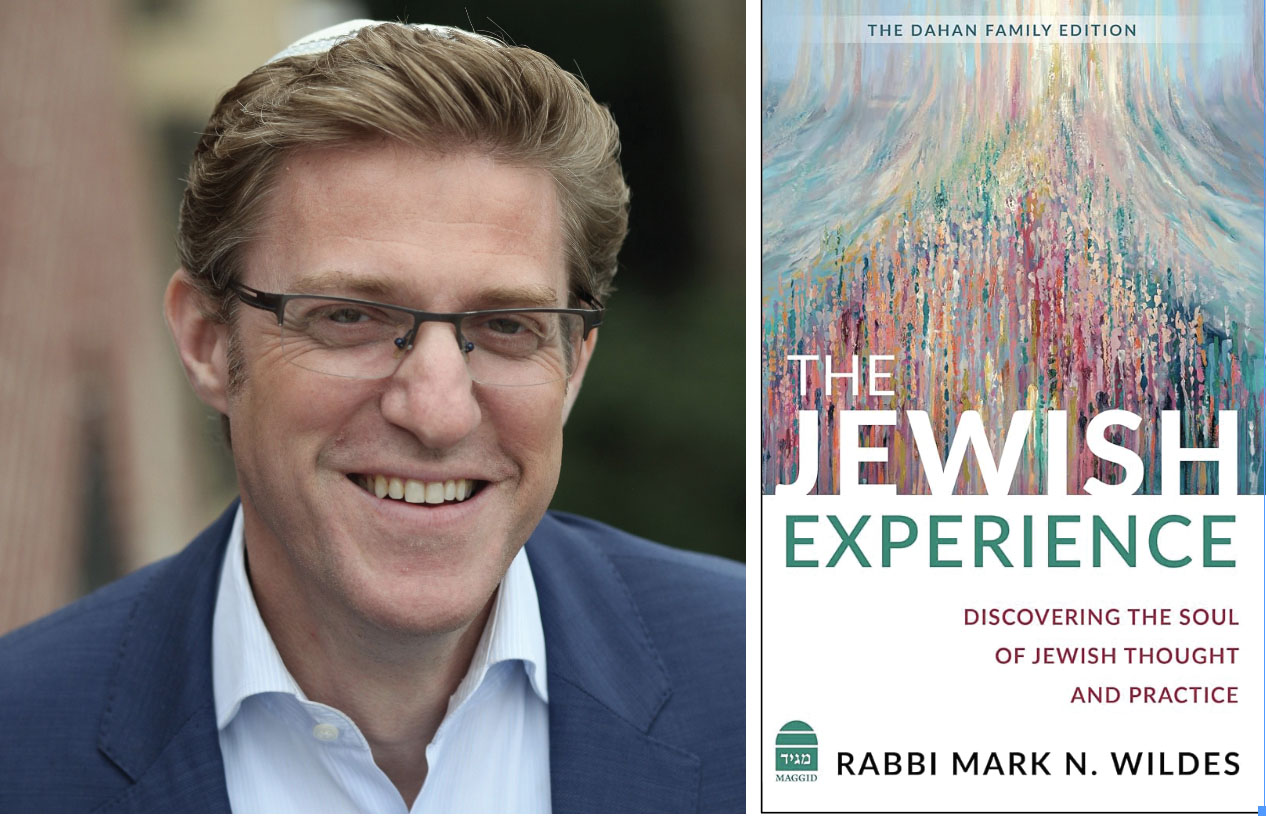
Wildes’ book presents, in a warm and accessible manner, the core beliefs and practices of Judaism.
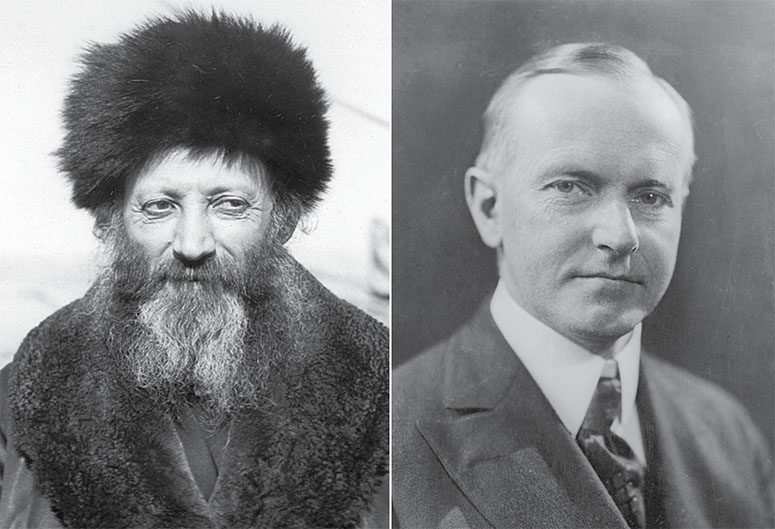
Both the Chief Rabbi and America’s Commander in Chief understood that America and Israel were bonded by the Bible, allies in a faith guided by God’s ancient promise of freedom centuries ago.

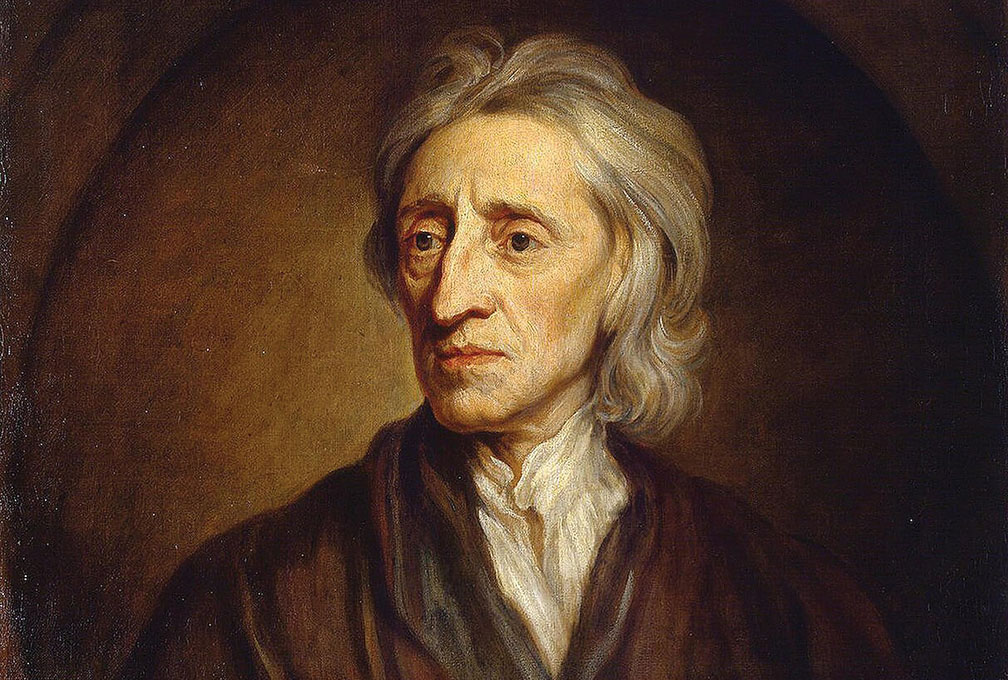
The American experiment, inspired by Locke’s writings, would function in the model of Biblical Israel, balancing the gift of human rationality with belief in the grace of Heaven.