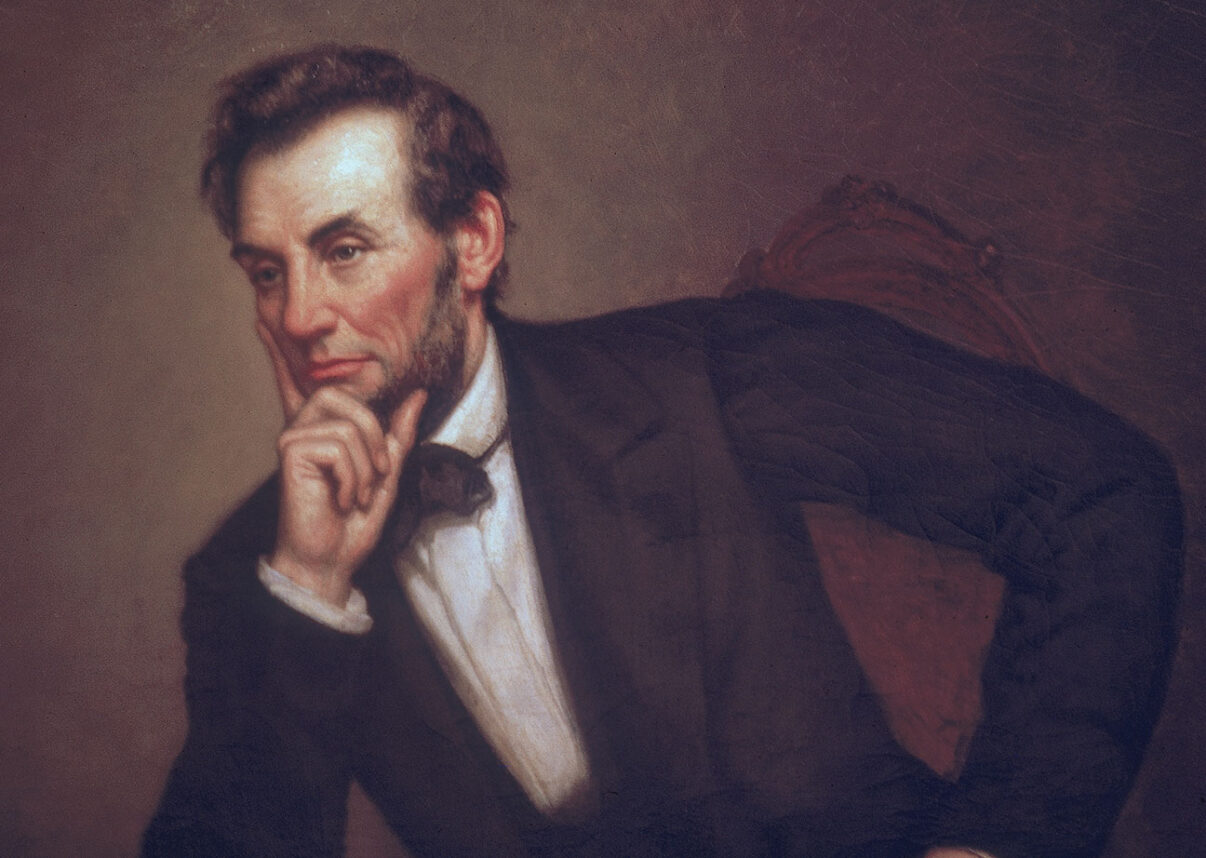
Abraham Lincoln’s Akedah
Though Lincoln himself was not Jewish, his words of support drawn from the faith of history’s first Jew continue to serve as a chord of comfort in the American consciousness.


Though Lincoln himself was not Jewish, his words of support drawn from the faith of history’s first Jew continue to serve as a chord of comfort in the American consciousness.

If American education is to persevere in the current moment, it will be because it rededicates itself to the human and honorable path of true learning – balancing neighborly love with reverence for the divine.
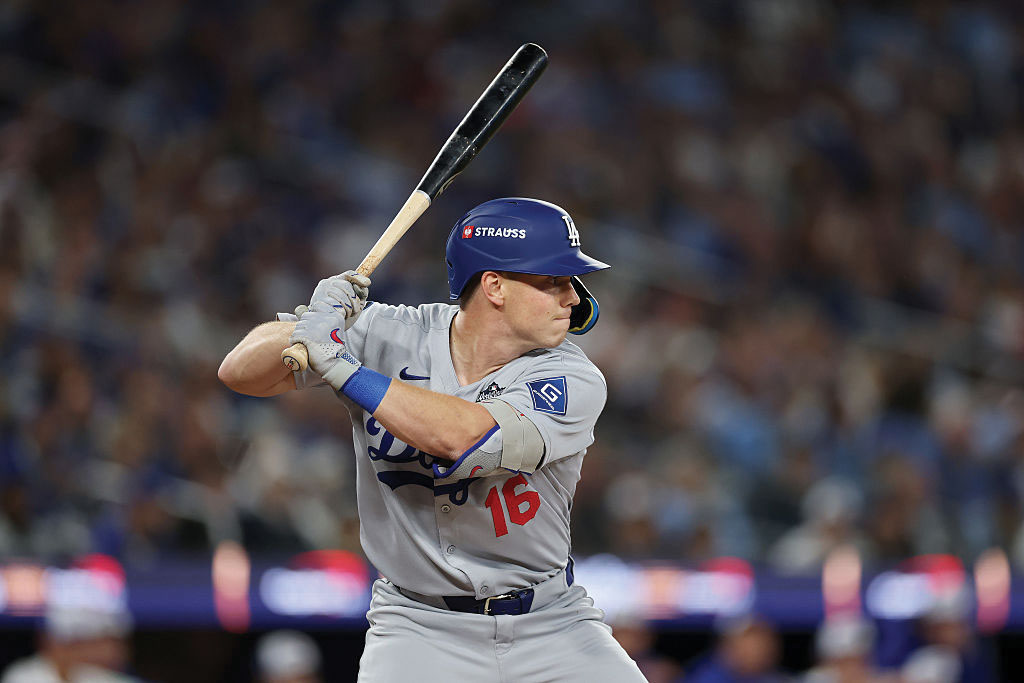
Whether or not Whitecaps alum Will Smith and the Dodgers emerge victorious once more, all Americans have reason to cheer for William Brewster – a fascinating figure whose biblically-infused impact on America continues to inspire.
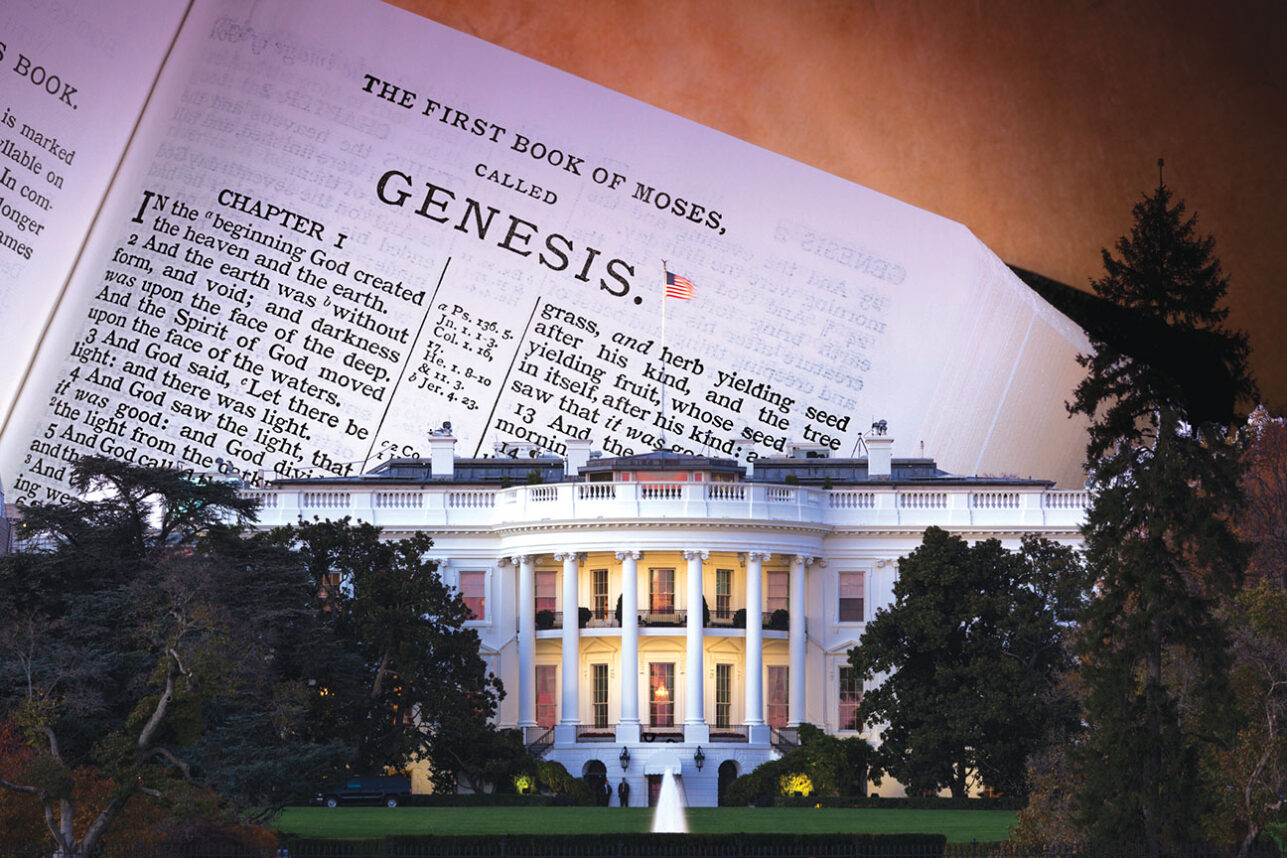
American leaders have long had an affinity for that first of the Five Books of Moses.

Genesis’ second chapter devotes five verses to a river that emerges from humanity’s birthplace.
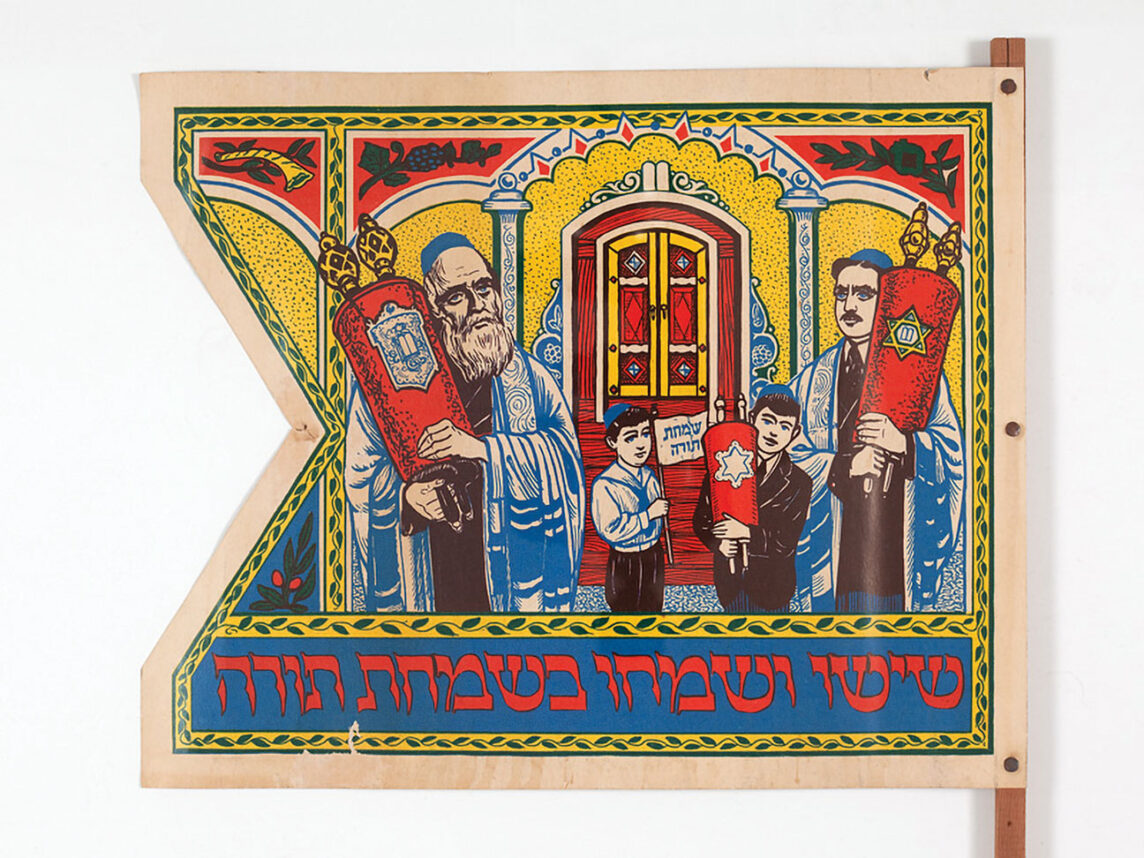
With Simchat Torah approaching, it’s worth noting how for centuries, Jews have turned to flags as an expression of faith that the Jewish story would continue, despite our enemies’ claims to the contrary.
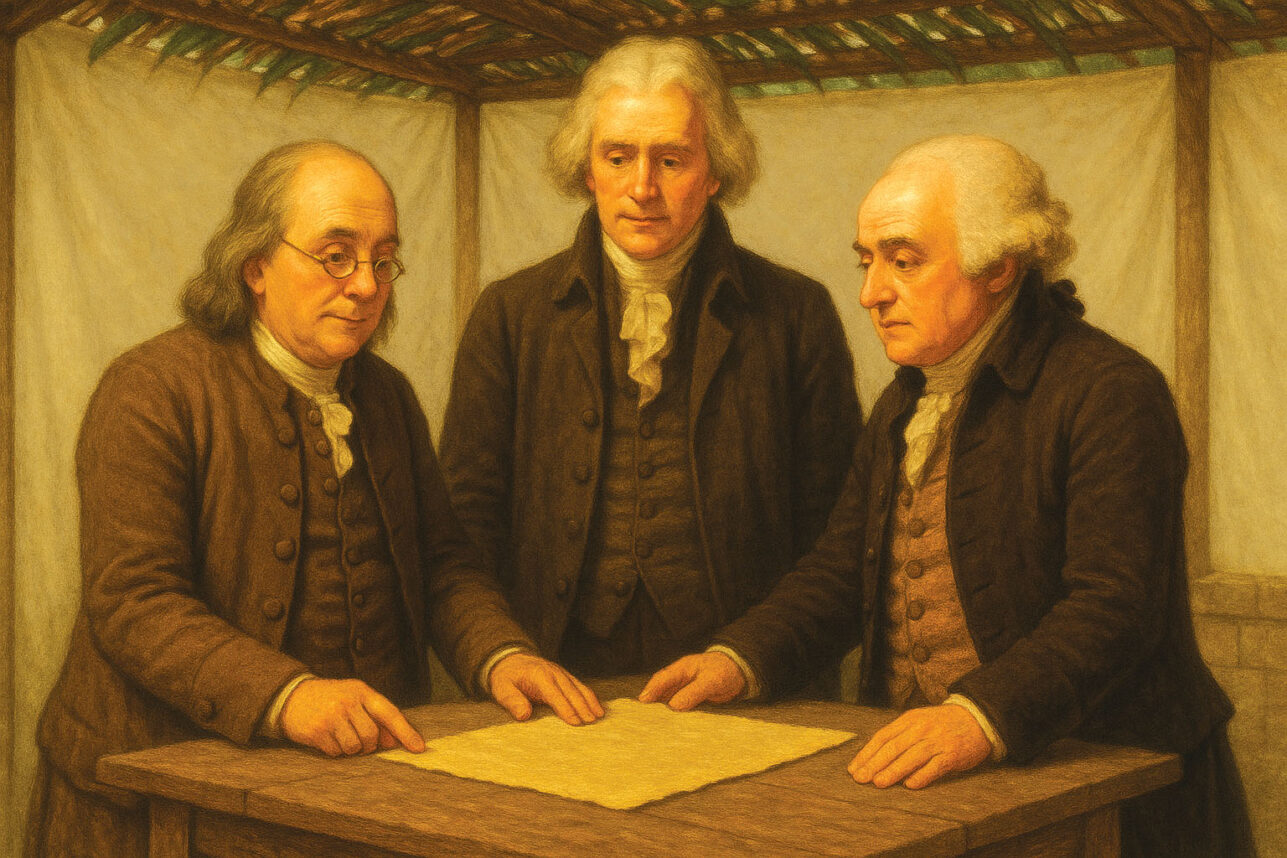
This long-forgotten footnote to American history is worth considering both for its historical import and its relevancy to the current moment.

Despite a year full of distance, imperfections, disappointment, perhaps even betrayal of our very nature, on Yom Kippur we are all doves, possessing the ability to, in the end, return home.

Whatever Tashlich’s true origin, perhaps it was inevitable that we mark Rosh Hashanah by assembling next to water.
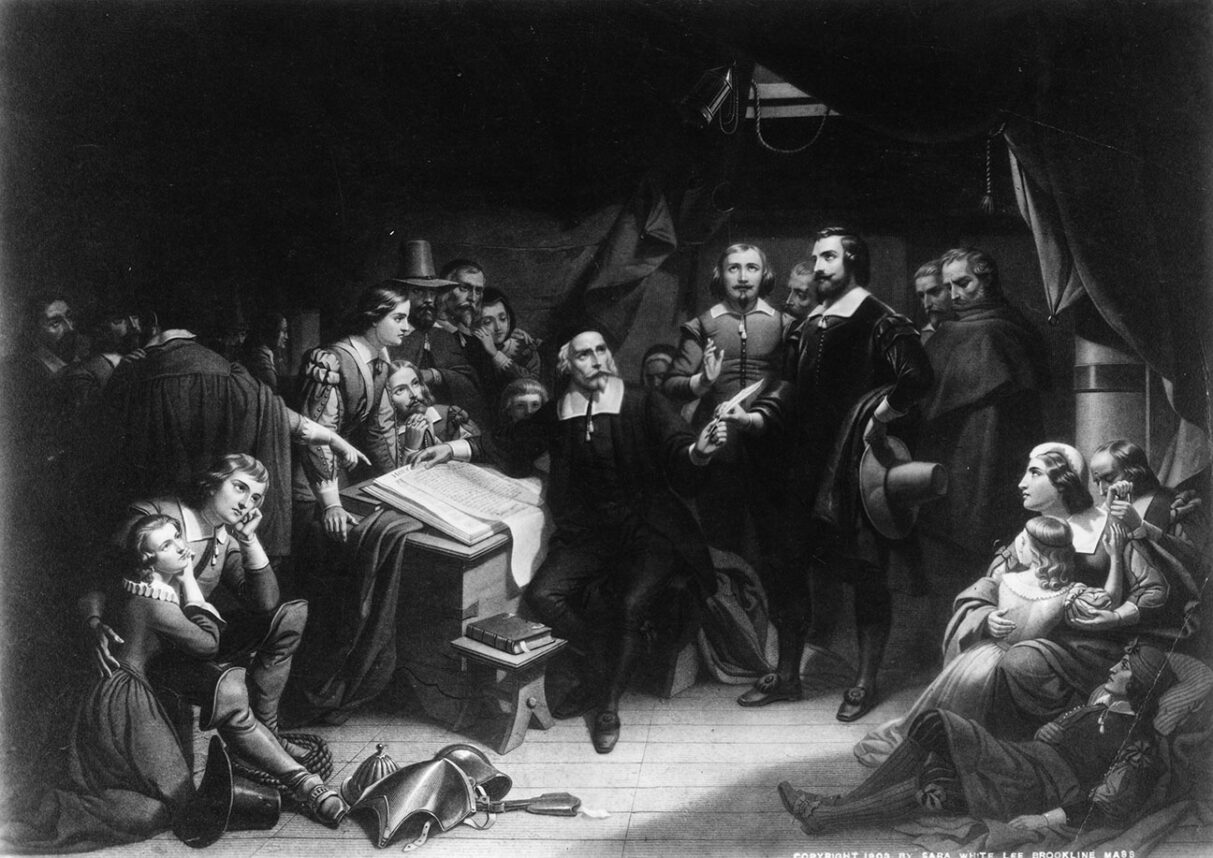
Most striking about Bradford’s affinity for the Bible for those who hear the weekly parsha in synagogue is how Bradford drew explicitly from the Book of Deuteronomy in expressing the covenantal character of what would become, eventually, the United States.