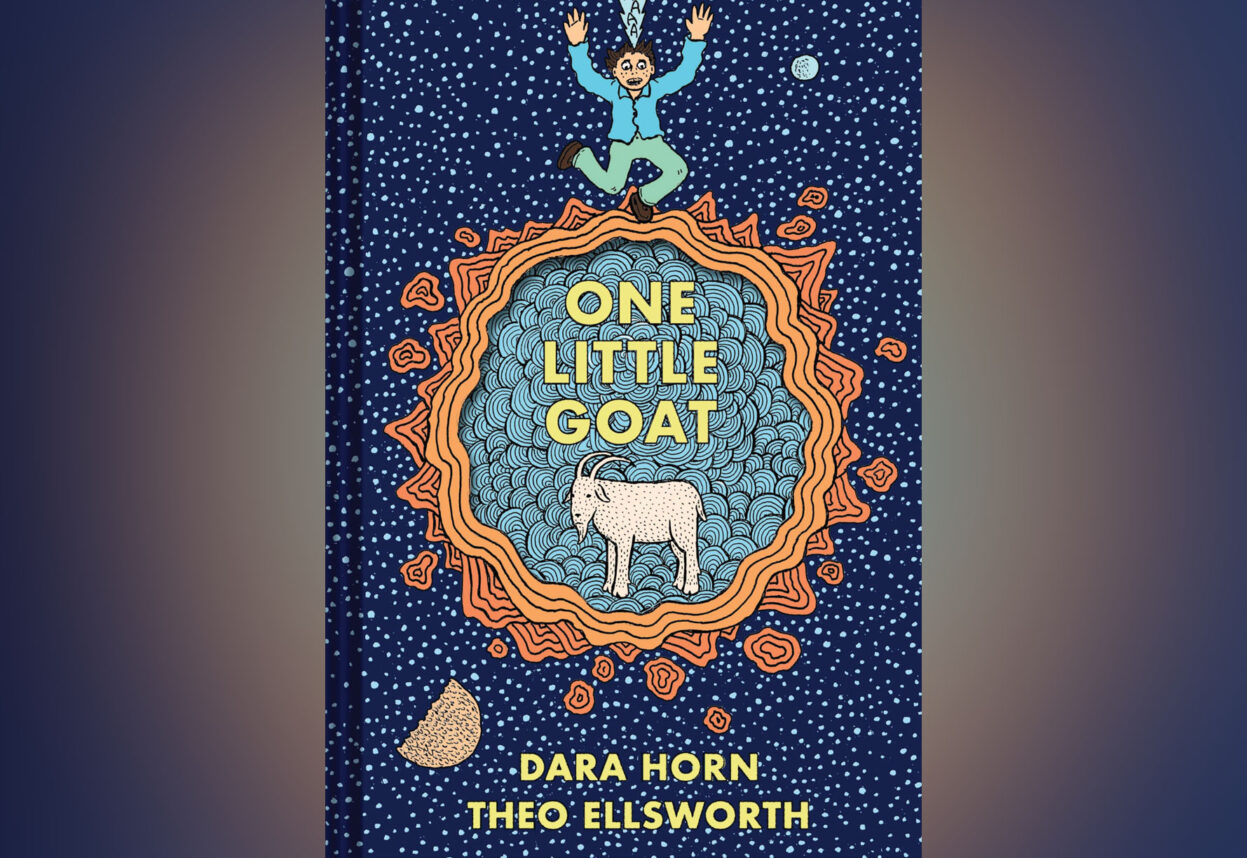
Dara Horn’s Unexpected Passover Guide
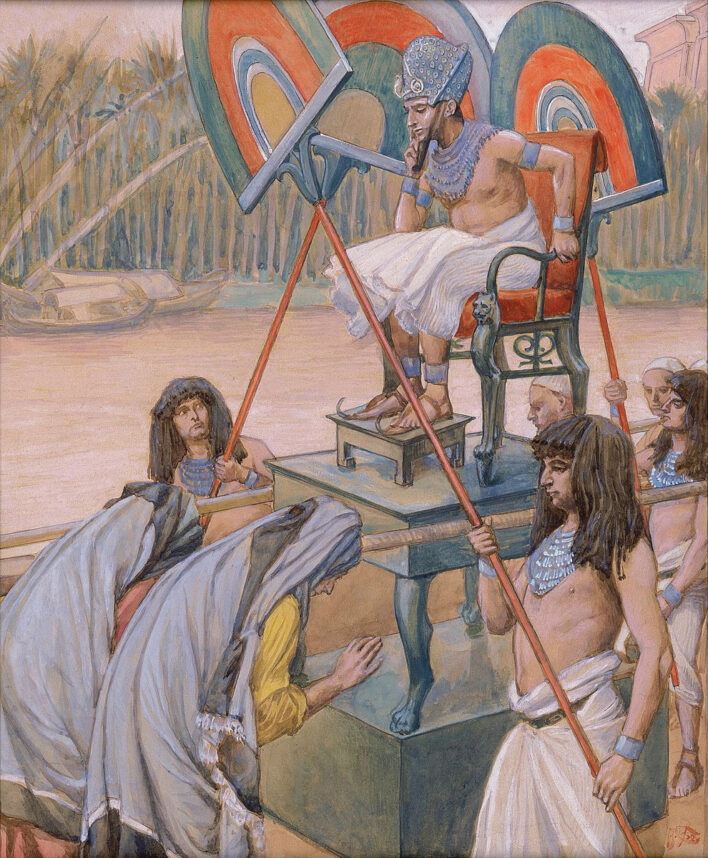
Throughout the pages of “One Little Goat,” Passover’s timeless resonance is powerfully conveyed — after all, we are still fighting the pharaohs of our age.

Throughout the pages of “One Little Goat,” Passover’s timeless resonance is powerfully conveyed — after all, we are still fighting the pharaohs of our age.
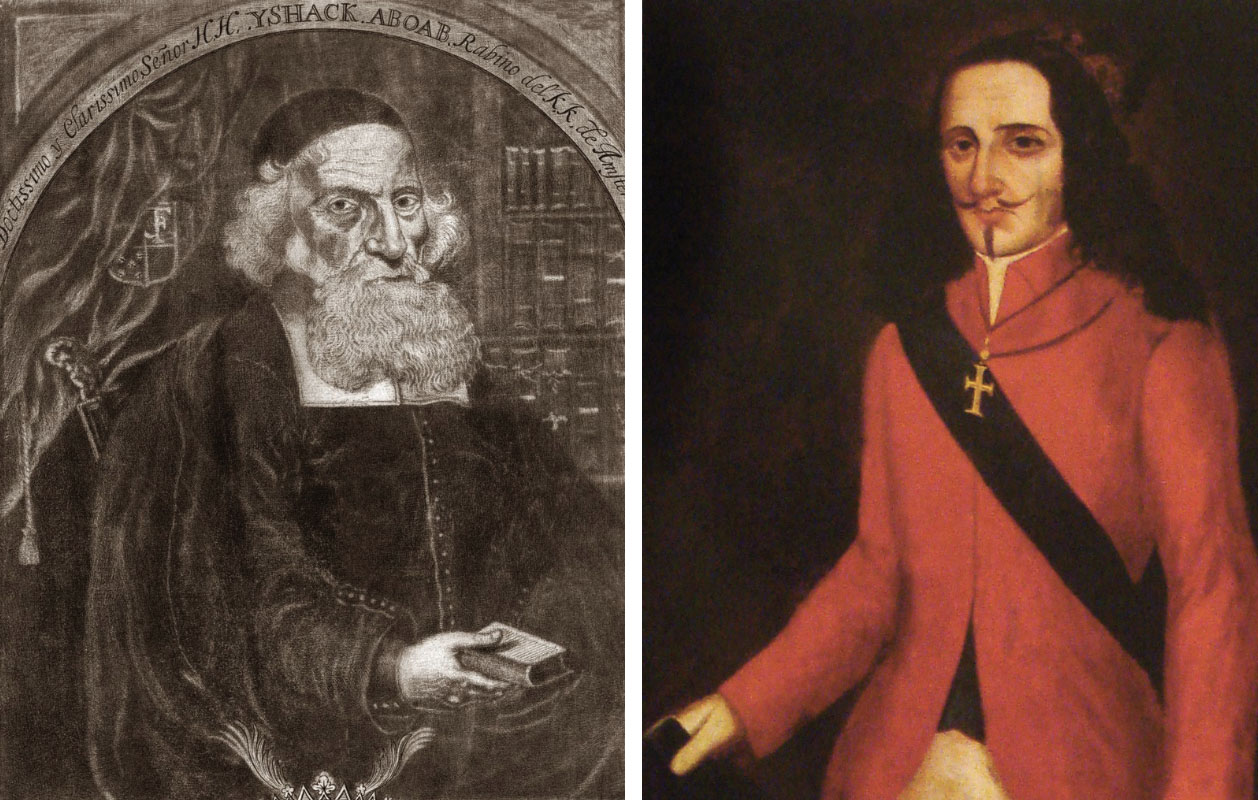
Though more Hamans would continue to arise, the Jewish people would survive and celebrate countless Purims in a new Promised Land.
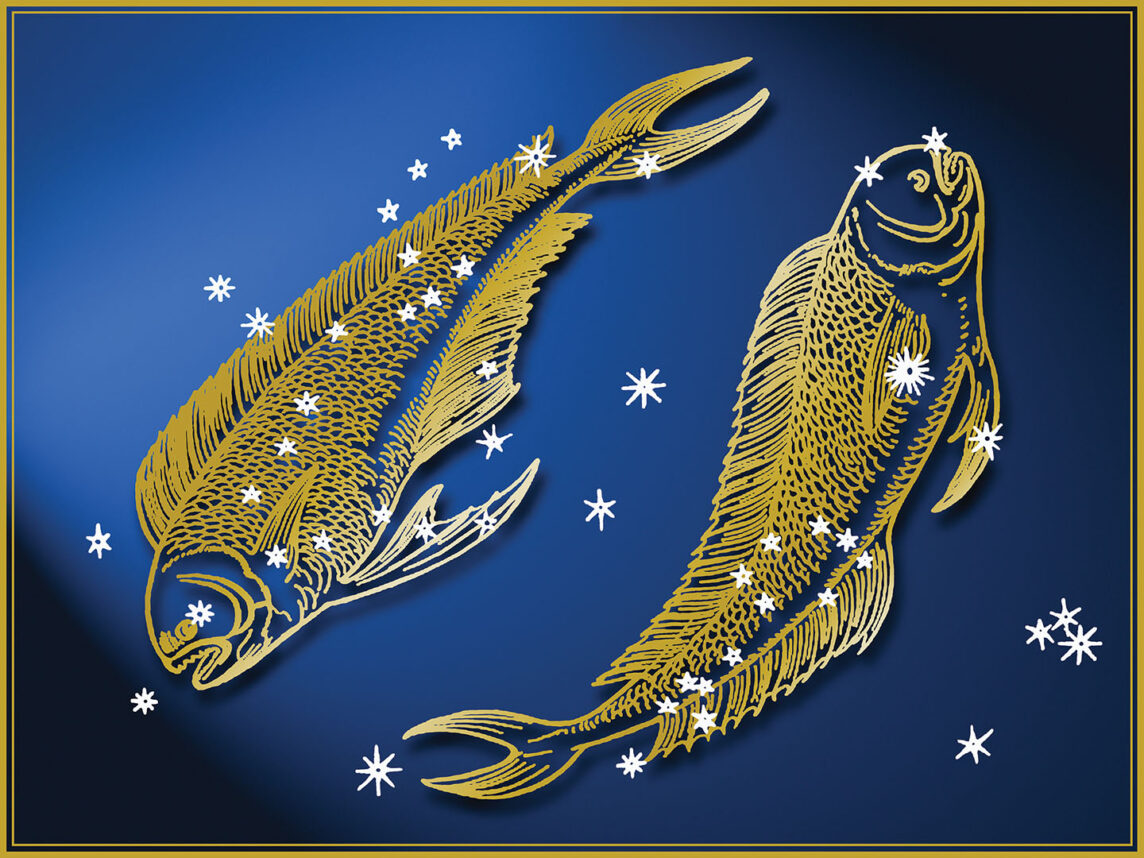
When asked to picture an image that represents the essence of Purim, one is likely to immediately conjure up a mask, gragger or, for the strong-stomached among us, a prune-filled hamantaschen. A sign of the Zodiac wouldn’t even make the list.
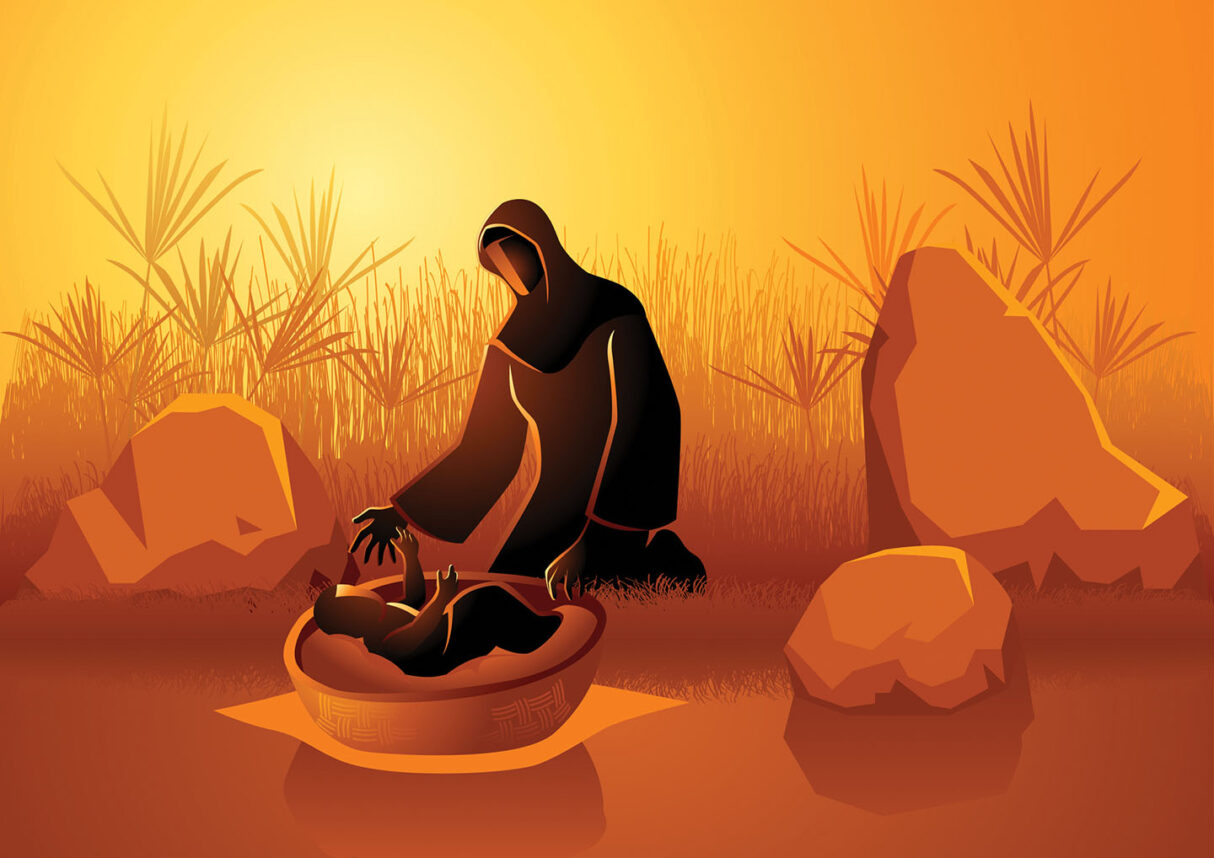
The mother of Moses, born on the cusp of slavery, merited living out her days in the place designated by God for the people whom her son had liberated.
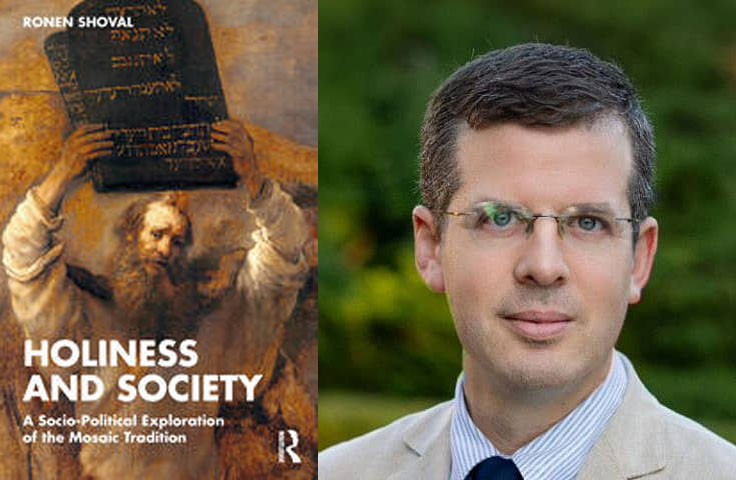
What exactly does it mean to be a holy nation serving as the priestly spiritual inspirations to the world?

The site of the giving of the Torah was about to become a tourist-packed heap of litter and Lance Morrow would have none of it.

Putting up a mezuzah in one’s doorway is a timeless and meaningful means of asserting proud Jewish identity.

Pharaoh’s daughter’s coming down and seeing a baby crying is mirrored by God’s actions in Exodus’ third chapter.

Despite their country’s history and the fraught current moment, the Jews who reside where both Sigmund Freud and the founder of modern Zionism, Theodore Herzl, once lived, do not dream of relocating.