fbpx

Sobibor museum closes due to lack of funds

The museum at the Nazi death camp Sobibor closed due to a lack of funding. The museum in Poland on the grounds of the death camp announced Thursday that it closed because the regional government did not provide enough funding to keep it open, the German press agency dpa reported.
[additional-authors]
June 2, 2011

The museum at the Nazi death camp Sobibor closed due to a lack of funding.

The museum in Poland on the grounds of the death camp announced Thursday that it closed because the regional government did not provide enough funding to keep it open, the German press agency dpa reported.

About 20,000 people a year visited Sobibor. Some 250,000 people, mostly Jews, were killed there during the Holocaust.

The museum this year received less than half of the $360,000 it requires to remain open, according to reports.

Sobibor guard John Demjanjuk was convicted last month of being an accessory to more than 28,000 deaths at the camp. 

“Holocaust survivors are aghast that the museum at Sobibor, the site of John Demjanjuk’s crimes, has closed because of insufficient funding by Polish state authorities,” Elan Steinberg, vice president of the American Gathering of Holocaust Survivors and their Descendants, said in a statement.

“The demands of history and our obligation to the education of future generations must be respected so that this solemn place remains open. Whatever the price of memory, the cost of forgetfulness is so much greater.”


Did you enjoy this article?
You'll love our roundtable.

Editor's Picks

Latest Articles

Chametz Is More than Crumbs in the Corners of our Homes

Chametz is also something that gathers in the corners of our being, the spiritual chametz that, like the physical particles we gather the night before Passover, can infect, wither, influence and sabotage us as we engage with others.

Alpine Flavors—a Crunchy Granola Recipe

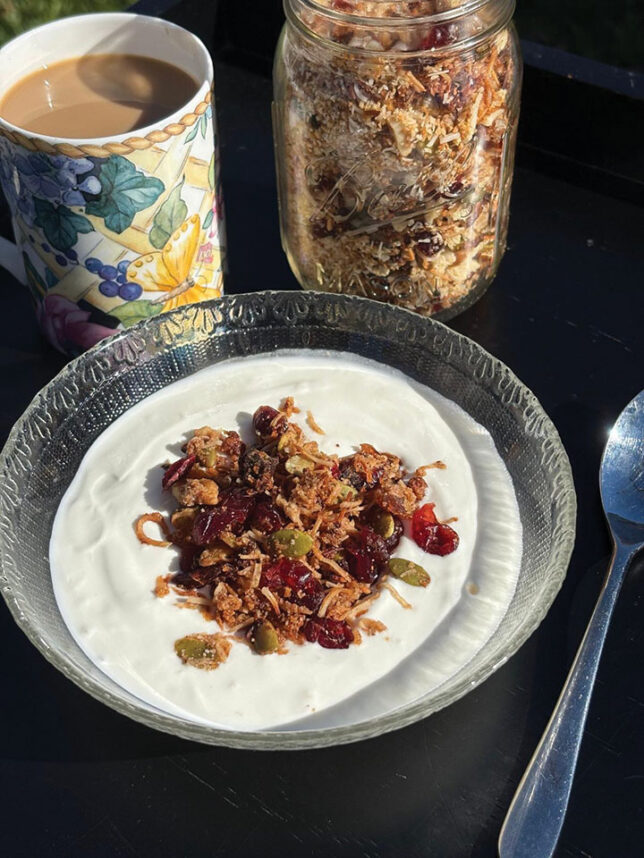
Every Passover, I prepare a truly delicious gluten-free granola. I use lots of nuts and seeds (pistachios, walnuts, almonds and pumpkin seeds) and dried fruits (apricots, dates and cranberries).

Pesach Reflections

How does the Exodus story, Judaism’s foundational narrative of freedom, speak to the present? We asked local leaders, including rabbis, educators and podcasters, to weigh in.

Rosner’s Domain | Be Skeptical of Skeptics, Too

Whoever risks a decisive or semi-decisive prediction of the campaign’s end (and there is a long list of such figures on the Israeli side as well as the American side) is not demonstrating wisdom but rather a lack of seriousness.

When We Can No Longer Agree on Who Is Pharaoh

The Seder asks us to remain present to the tension between competing fears and obligations. It does not require choosing one lesson over the other, but rather, it creates space for us to articulate our concerns and listen to the fears and hopes that shape others’ views.

Pesach at War. Leaving Fast, Leaving Slow.

Freedom, it would seem, is erratic; it happens in fits and starts, three steps forward and two steps back. Freedom is a leap into the unknown, driven by a dream. We will figure it out in time.

More news and opinions than at a Shabbat dinner, right in your inbox.