
From Nov 1-3, 400 Jewish teens from the United States and Canada who are leaders in NCSY’s Jewish Student Union convened in Connecticut for the annual President’s Conference. Over the course of three days, they learned how to build and run their own clubs, as well as connected with their peers in the wider JSU community.
JSU is a network of Jewish culture clubs in public and secular private high schools in North America, and it’s a program of NCSY, the international youth movement of the Orthodox Union.
Rabbi Derek Gormin, managing director at NCSY, said the conference was “absolutely incredible… What made it so meaningful wasn’t just the programming, but watching these teens recognize that they’re part of something much bigger than themselves. These students returned home not simply inspired, but ready to lead, to strengthen Jewish life in their schools, and to stand proudly as Jews. That’s what PresCon is all about: turning inspiration into action and building the Jewish Future.”
“That’s what PresCon is all about: turning inspiration into action and building the Jewish Future.” – Rabbi Derek Gorin
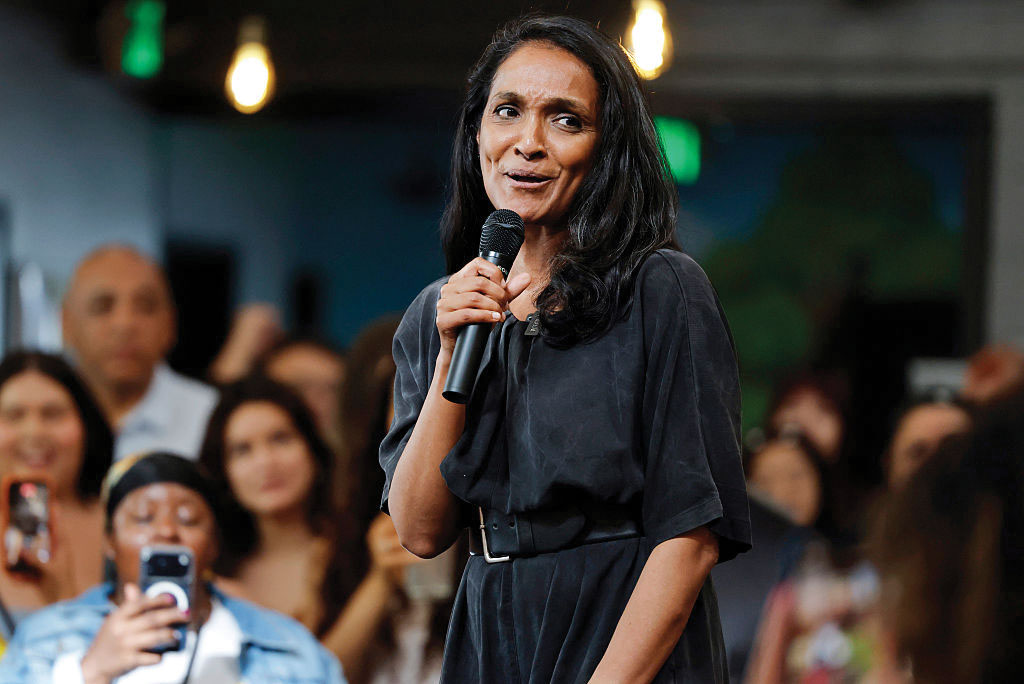
At the conference, students heard from educators as well as guest speakers like Tessa Veksler, an advocate who was targeted for being Jewish and pro-Israel while she was student body president at University of California, Santa Barbara (UCSB); content creator and director of content strategy at Lost Tribe Noa Solomon; and advocate and author Professor Shai Davidai.
“Having experienced antisemitism on a college campus, I know how much it matters to have a strong foundation before you get there,” said Veksler. “Knowing who you are, understanding your history and having people you can turn to can make an enormous difference. JSU is helping students build that foundation while they’re still in high school, with room to ask questions, develop friendships and discover what being Jewish means to them.”
What struck Veksler the most about the students is their “eagerness to lead. These teens want to make Jewish life stronger in their schools. They want to reach the student who feels disconnected, create a welcoming community, and feel confident being visibly and proudly Jewish. Watching them exchange ideas and encourage one another gave me so much hope.”
According to Gormin, since October 7, 2023, the program has grown exponentially in popularity, as Jewish teens want to discover their roots and connect with those within their community.
“Before October 7, we were receiving just two or three requests a month to open new JSU clubs,” he said. “In the immediate aftermath, we received hundreds of new requests, and that demand continued growing. We’ve since expanded the JSU Global Campus to hundreds of clubs, reaching students in communities where we previously had no local staff.”
There is something deeper happening here, the rabbi emphasized.
“We’re seeing Jewish teens who may have had very little connection to Jewish life suddenly asking important questions: Who am I? Where do I belong? What does being Jewish mean to me? October 7 awakened something in many young Jews. Our responsibility is to help transform that awakening into a positive, joyful, meaningful, and lasting Jewish identity. We don’t want Jewish identity to be defined by antisemitism. We want it defined by the extraordinary beauty of being Jewish.”
Across the country, teens, with the support of JSU staff, are running weekly JSU clubs, organizing Shabbat experiences, bringing Jewish learning and celebrations into their public schools, leading chesed (kindness) initiatives, and building Jewish communities where they didn’t exist. The most popular activities are the ones that combine something fun and accessible with meaning.
“Food, music, Jewish holidays, Israel programming, and social experiences bring students together, but it’s the friendships, mentorship, and sense of belonging that keep them coming back,” said Gormin. “Our teens want authentic Jewish experiences, and they want to be trusted to lead them.”
JSU began locally, in Los Angeles, in 2002 with just one club. Now, there are more than 515 clubs across North America, reaching over 26,000 teens each year.
“Los Angeles remains one of our most important and vibrant communities,” said Gormin. “What started as a small local initiative at Beverly Hills High School has become a national movement, and we’re still growing.”
For the future, Gormin hopes that JSU only continues to grow.
“My dream is simple but also enormous: That no Jewish teenager in America should ever feel alone in their Jewish identity,” he said. “We want every Jewish teen, regardless of their background, observance, or level of Jewish knowledge, to have a place where they feel welcomed, connected, and proud to be Jewish.”