Is the Jewish community alone in its fight against rising anti-Semitism around the world?
A new research project announced this month at American Jewish University seeks to answer this question by bringing together scholars from across the country to examine novel ways to fight antisemitism. The Study of Allyship and Antisemitism will explore how and whether creating allyship between marginalized communities can be an effective means to combat antisemitism.
The Anti-Defamation League reported that between 2021 and 2022, antisemitic incidents increased by 36% in the United States. Earlier this year, President Joe Biden and Vice President Kamala Harris announced a national strategy to fight against antisemitism. One key pillar of the White House’s strategy is developing cross-community support and collective action. AJU’s research, university officials said, will expound upon this idea by finding specific, tangible steps to bring diverse communities together and foster productive dialogue to counter antisemitism.
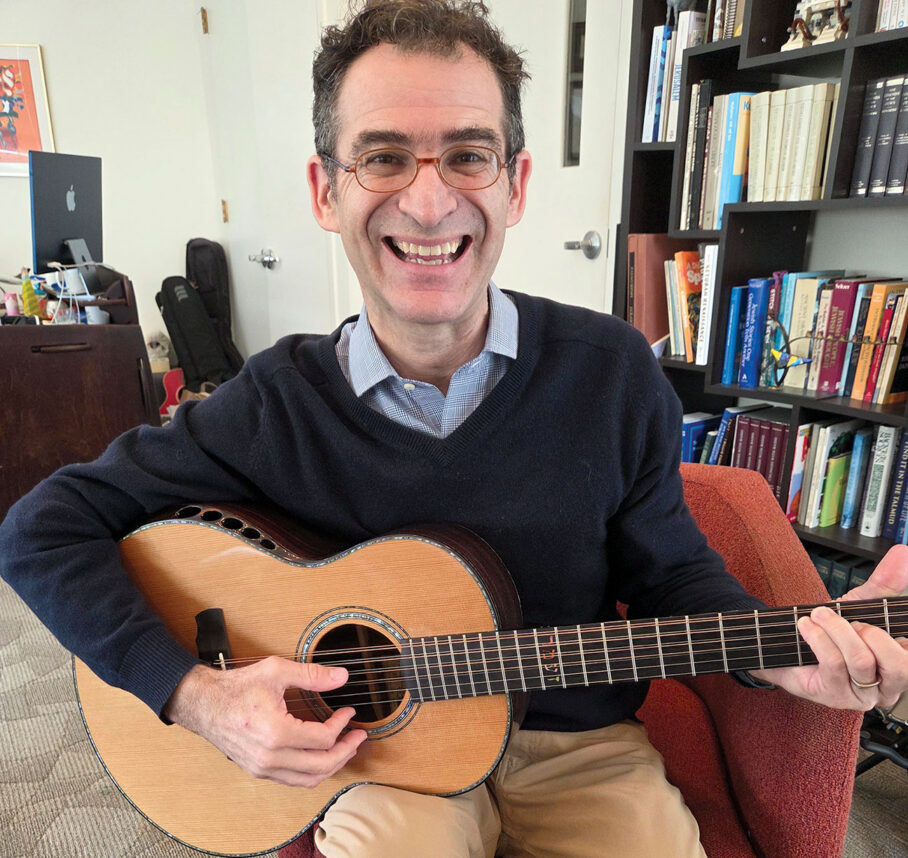
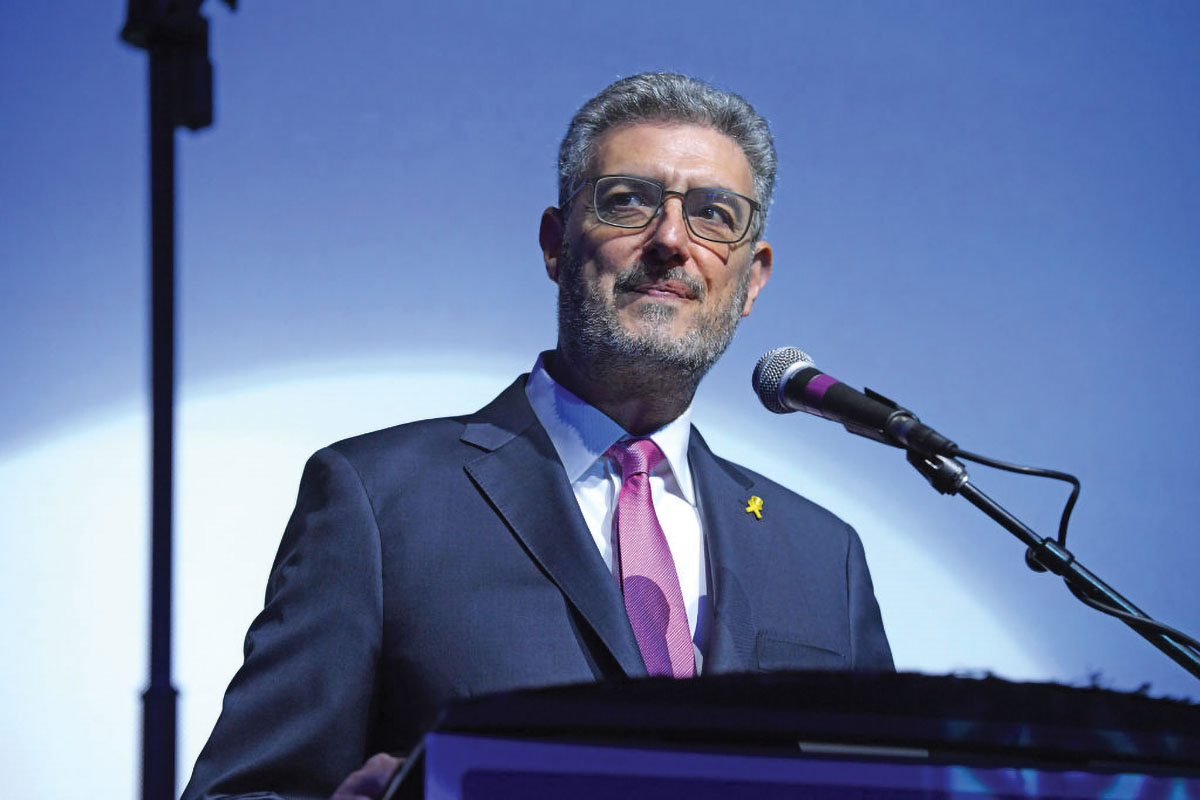
AJU President Dr. Jeffrey Herbst – a political scientist by training – is leading the project with the university’s new research institution, the Jewish Community Workshop, which seeks to tackle key issues facing the Jewish community. The Study of Allyship and Antisemitism will be its inaugural initiative.
“As a university, we want to explore the possibilities of collective action to fight hatred without illusion, while being sensitive to the perspective of not only the Jewish community but also its putative allies,” said Herbst. “I look forward to working alongside these talented researchers to discover how a focus on allyship can combat rising antisemitism now and in the future.”
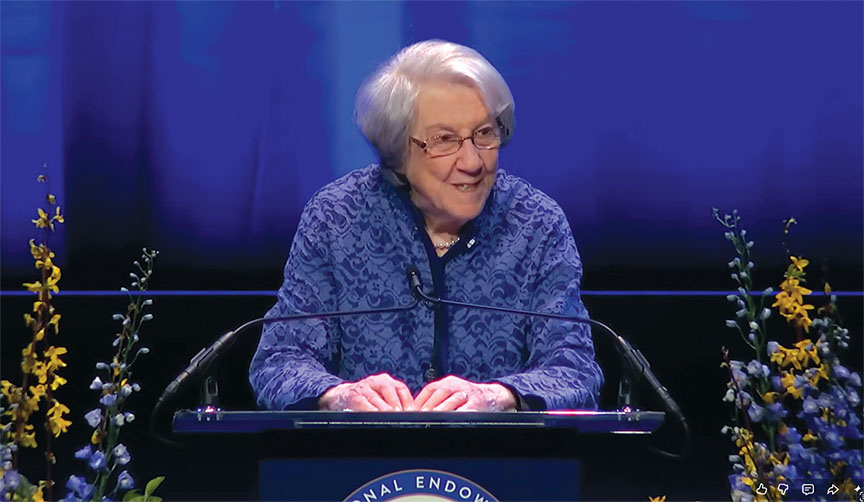
The eight scholars in the study will concentrate on a minority community that they either identify with or have worked with previously in a professional academic context. The researchers include: Professor Corinne Blackmer, studying the LGBTQIA+ community; Professor Anthea Butler, studying the African American community; Professor Bridget Kevane, studying the Latino community; Dean Helen Kim, studying the Asian American and Pacific Islander community; Professor David Koffman, studying the Native American community; author Sabeeha Rehman and journalist Walter Ruby, studying the Muslim American community; and Professor Robbie Totten, studying the Jewish community and immigrant groups.
The researchers will meet for the first time in November to discuss their different perspectives and approaches to this topic. Each scholar will write a 15-page paper centered on allyship with the Jewish community within their community of focus. The findings will then be published and distributed by AJU to broader audiences.
Many local synagogues and Jewish organizations have engaged in robust interfaith work – from a basketball clinic at Sinai Temple with NBA veteran Enes Kanter Freedom and college basketball star Ryan Turell to a multi-faith unity statement organized in part last year by the Simon Wiesenthal Center.
Rabbi Daniel Sher of the Kehillat Israel congregation in the Pacific Palisades underscored the importance of fostering allyship for the Jewish community and lauded AJU for pursuing the research project.
“Interfaith work has been core to our mission as a Congregation –from collaborating with our Islamic friends on resettling Afghan refugees to partnering with elected officials in response to our homeless crisis. What you learn from others through these efforts is truly inspiring,” said Rabbi Sher.
“AJU’s decision to focus research in this area is crucially important in the celebration of B’tzelem Elohim, being made in God’s image, and I am excited to see what comes of their work,” he added.