During these long months of quarantines and lockdowns, and with my days filled with hard news and commentaries on the chaotic and divisive times we’re living in, I’ve been craving escape. Sometimes it’s a simple hike or a walk on the beach; other times, it’s watching a show on Netflix or other streaming platforms.
My favorite shows are those that take me far from my daily reality, like “Blacklist,” “Big Little Lies,” “Goliath,” “Lupin” and others. Many of these shows were recommended by friends.
I didn’t know much about “Valley of Tears,” a new show from Israel that came highly recommended. I like surprises, so I dove right in.
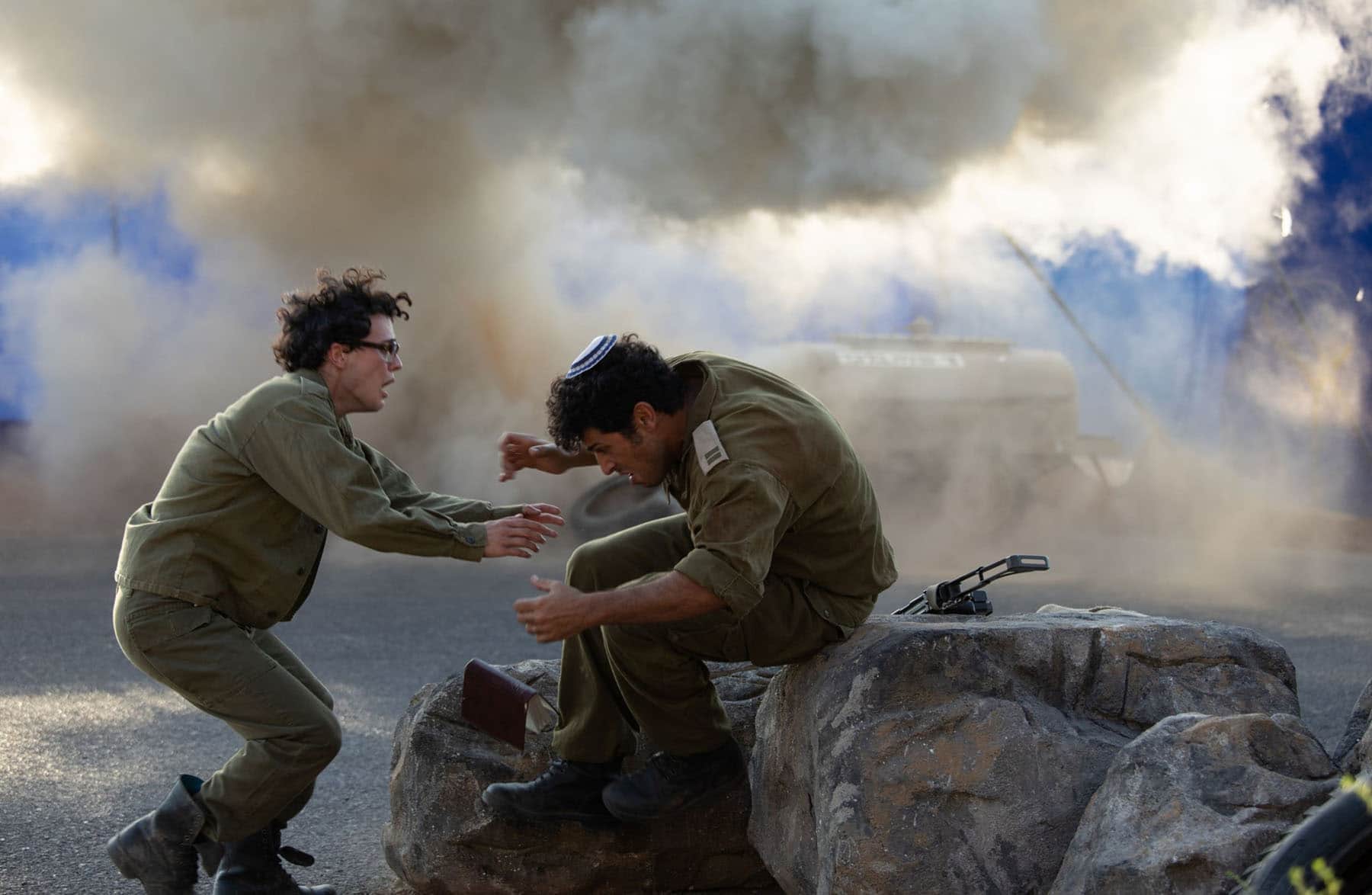
I got more than I bargained for. I knew that it dealt with the Yom Kippur War, but I’ve seen intense Israeli war shows and movies in the past, and they didn’t shake me like this one.
First, let’s get the expected out of the way. Like many great war films, “Valley of Tears” dramatizes the human dimension of war. What carries the show through the harrowing battle scenes are singular human stories, stories of love, regret, betrayal and brotherhood.
But it was the faces of the soldiers that brought me to tears.
So many of those faces reminded me of my uncles and cousins who have been fighting wars in Israel since the War of Independence in 1947. They rarely spoke of their war experiences when we would meet at family functions, but I would sometimes hear from others about their exploits.
So many of those faces reminded me of my uncles and cousins, who have been fighting wars in Israel since the War of Independence in 1947.
When I saw scenes of extraordinary bravery in “Valley of Tears,” I was imagining one of my uncles commandeering a tank in enemy territory. When I saw the horrific casualties, I thought of the enormous risk they took. I also imagined the constant anxiety of my grandparents, whose sons — my uncles — were engaged in fierce battles to save their country.
I’m hardly alone in my reaction. In its coverage from Israel, The New York Times wrote, “The high-impact series pried open a collective national wound and led to a cathartic outpouring of emotion.”
I can only surmise that every Israeli who watched the series can identify with the faces of the soldiers. The faces were real, almost too real. The battle scenes were real, almost too real. The ethnic tension, the dead and wounded, the impossible decisions — it all felt overwhelmingly real.
This was the very opposite of escapist entertainment. It was more like a deep dive into a uniquely traumatic war many of us would rather forget.
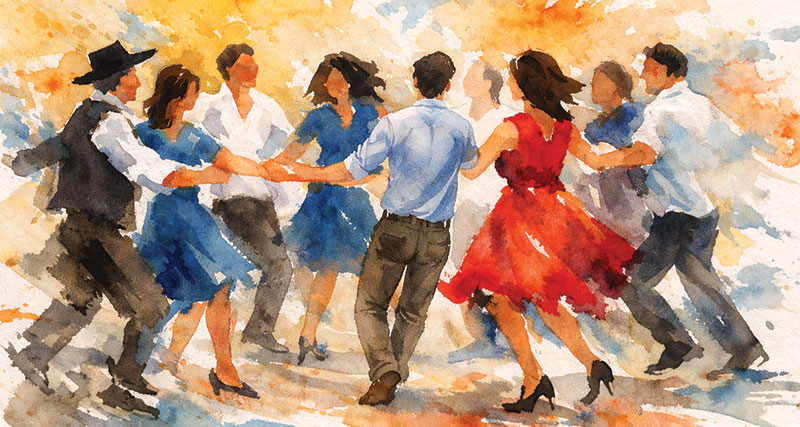
What’s odd, though, is that the opening credits in all ten episodes don’t focus on war. Rather, we see several scenes of Israelis enjoying life. This is rare; opening credits usually focus on the main subject. But in “Valley of Tears,” the first image that hits you is of Israelis partying on the beach.
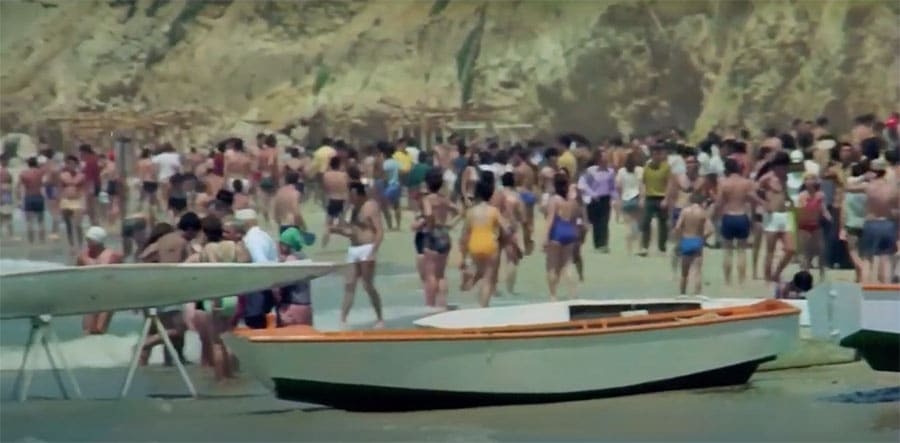
Maybe the filmmakers wanted to make a connection between fighting in a war and partying on a beach. The more you love life, the more you will fight for it. The soldiers in “Valley of Tears” fought to save their country; they fought so that their brethren could party on beaches.
This also choked me up — seeing how soldiers who loved life would risk theirs for the life of others, and how so many who survived lost their innocence. If anything can capture the never-ending drama of the Israel story, the conflict between haunting memories and an instinct to move forward, the daily dance between life and death, perhaps it is “Valley of Tears.”
For those who live in Israel, there’s no escaping any of that.