The 19th-century Danish Christian theologian Søren Kierkegaard lamented about many of his co-religionists that their form of religion was merely “Sunday Christianity” and, even more insultingly, a “religion of quiet hours in holy places.”
If we expand Kierkegaard’s criticism and think about it in terms of Judaism, how can we ensure a Jewish life is not confined to “quiet hours in holy places”? How do we ensure there is genuine simcha — or joy — in Judaism?
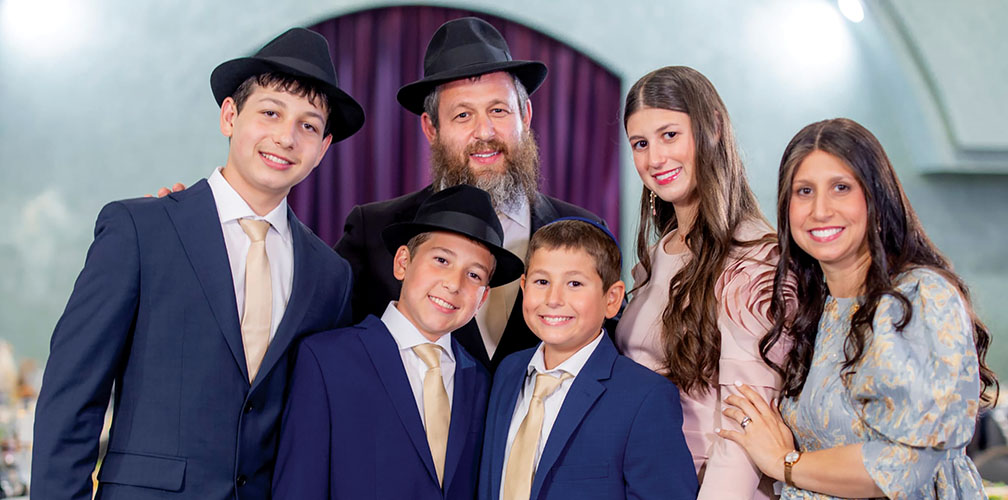
As a clinical psychologist-Jewish educator father-son duo, we wanted to explore this question together. Combining our worlds of psychology and Torah can hopefully yield an answer to this life-enhancing question.
Moses, in his final lectures, introduces a new and dramatic term. In Deuteronomy 11:22, the verse reads: “If you faithfully keep all of this instruction that I command you, loving the Lord your God, walking in all His ways, and cleave to God.” Cleaving, attaching, holding fast, or in Hebrew, deveikut. A secure attachment to God is the secret to religious well-being.
How do we know deveikut is even possible? A search for the concept of deveikut brings us immediately to the Torah reading on Simchat Torah, in which Genesis 2:24 says, “Therefore, a man shall leave his father and his mother, and cleave “Vidavak” to his wife, and they shall become one flesh. “Vihayu libasar echad.”
From Genesis 2:24, we see that deveikut is part of the creation narrative, and we can conclude that attachment is part of our interpersonal, human and divine DNA.
John Bowlby, a mid-20th-century British psychiatrist, introduced the concept of psychological attachment. Bowlby posited and demonstrated that attachment needs are survival needs and that as people, we are hardwired for connection, support and dependence on others.
In psychology, dependency can be healthy. There is a fascinating concept called the dependency paradox, which states that the more effectively we can depend on the other, the more independent we become. Through a secure attachment with parents and later with marital partners, we learn to regulate physically and emotionally.
Attachment is a human psychological need, but how do we attach to God? Religiously, there are multiple pathways to deveikut. In “Leaves of Faith,” Rabbi Aharon Lichtenstein argues that Torah study, when properly pursued, affects our total spiritual personality and creates oneness. One thousand years before the mindfulness revolution across the globe, Ramban, Nachmanides, writes that cleaving to God is “remembering God and His love constantly.” If Ramban centers cleaving to God around mindful awareness, Rambam, Maimonides, suggests that the way to cleave to God and love of God is through contemplativeness, through internalizing God’s amazing works and creations and seeing the infinite wisdom expressed in them.
How do we ensure there is simcha in Judaism?
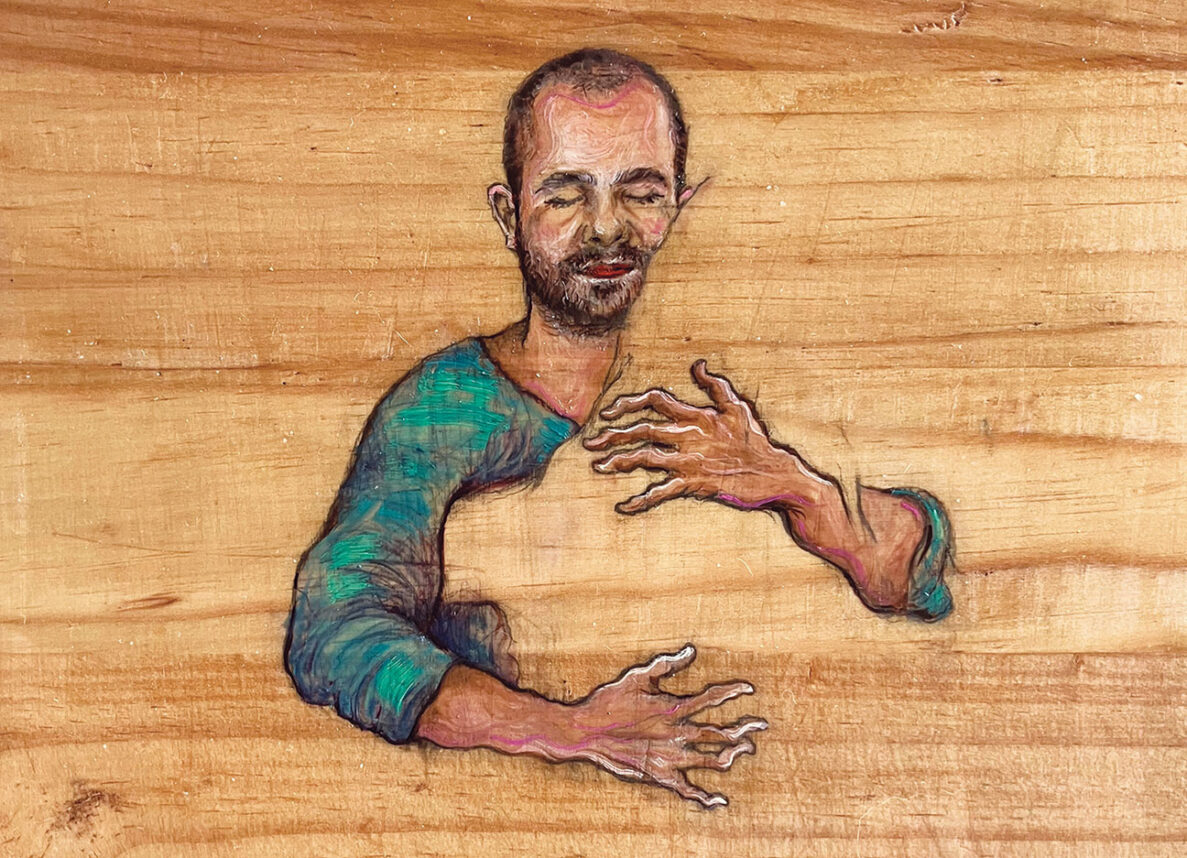
If we’re honest, the ideas from Lichtenstein, Rambam and Ramban are really big asks. Deveikut seems like a distant abstraction for scholars exclusively or for those most self-aware. So, how can we, everyday Jews, create deveikut moments not for one day, but for one’s life?
There is a popular book called “The Five Love Languages” that describes the different languages couples can use to communicate their love for each other. The five languages are quality time, touch, words, gifts and acts of service. Let’s see how we can apply that to our love of and connection to God.
Sanctify time. Shabbat and the holidays can be utilized as a time of contemplation.
Embrace the tactile. Hold the etrog, the beautiful flower we stumble upon, and the sefer Torah.
Use words. Engage in personal dialogue. Talk to God in prayer and listen to God in learning of Torah.
Give gifts. Give tzedakah graciously and whole-heartedly.
Do acts of service. Recognize the holiness of the experience when doing acts of chesed and volunteering.
Ultimately, the Kotzker Rebbe had it right when he was asked where God lives. His response was: Wherever we let Him in.
And, wherever we let God in, that’s where we can find our deveikut moments.
In our celebration of Simchat Torah, with all the dancing and joyfulness, let’s pause and consider that deveikut moments are the keys to the simcha of Torah, of connecting to God, not only on this day but every day, assuring that our religious experiences are far more than “Saturday Judaism.”
Neil Weissman is a licensed psychologist, a clinical associate professor at the University of Maryland and has a private practice. Noam Weissman is the senior vice president of education at Jerusalem U, a digital media company.