Several buildings in Shanghai’s historic Jewish quarter, known as Little Vienna, are being marked for demolition as part of a road-widening project, NPR reports. The area, once a safe haven for 20,000 Jews feeling Nazism in the 1930s and 1940s, is once again yielding its Eastern European character as demolition crews tear down facades, revealing signs that have been covered for decades, like the one for the Wuerstel Tenor sandwich shop.
They will pull down other fading shop fronts at the heart of Little Vienna, as well — those of Cafe Atlantic and Horn’s Imbiss-stube (Horn’s Snack Bar).
“The existing refugee coffee shops [and] restaurants were a shining light in the lives of the refugees, who did not know how long their isolation and misery would last, should they survive,” says Rena Krasno, who has written about her experiences living through World War II in Shanghai.
“In these eateries, they felt they were back in Europe … and for a short time eliminated their painful fate from their minds,” she says.
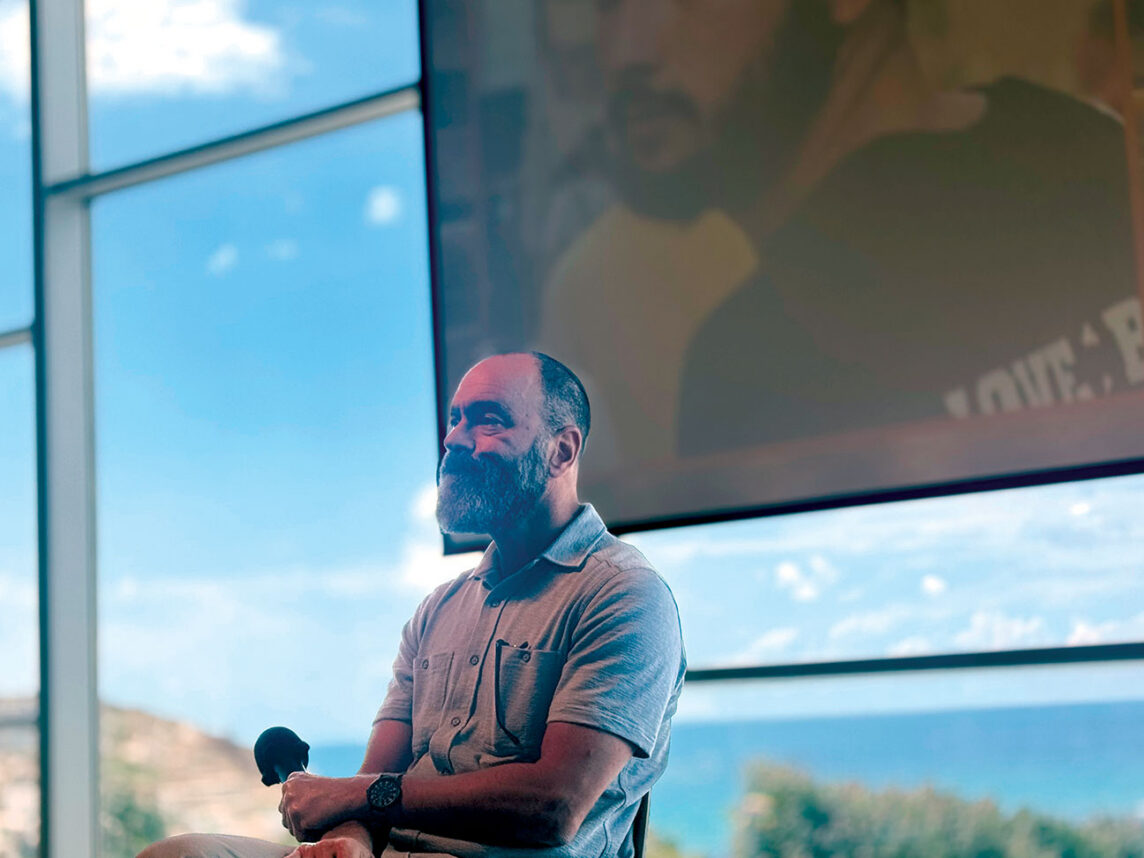
Dvir Bar-Gal is an Israeli journalist who is writing a book about Shanghai’s Jewish past. He also leads tours around the Jewish quarter. For him, the question is how important it is for a society to keep its past. If the demolitions go ahead, he fears there will be less and less to show visitors, and he fears the little-known story of Shanghai’s Jewish past will be in danger of being completely forgotten.
“People will stop coming. There will be no interest in the almost forgotten story of the 1940s, the people who were saved here from the Nazis,” he says.
While the Chinese government declared 70 acres of the Jewish ghetto a conservation zone in 2005, the buildings slated for demolition within the zone aren’t designated protected buildings. Officials say they’re trying to balance urban growth with historical conservation, but fear of “catastrophic” traffic seems to be winning out over the preservation of Jewish history in China. The area’s famous Ohel Moshe Synagogue, which has become the Shanghai Jewish Refugees Museum, is being spared, said Chen Jian from the Hongkou district government, but he isn’t optimistic about the future of the former restaurants, cafes and clubs of Little Vienna.
“We’ll do our best to remove and save some of the most valuable artifacts, if feasible,” he says. “But that’s not to say that we won’t demolish these buildings.”