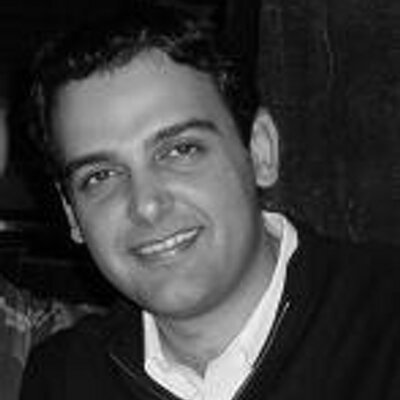

Frank Nikbakht is perhaps among the country’s top experts when it comes to issues of religious minorities living in Iran. Based in Los Angeles, Nikbakht, an Iranian Jewish activist, heads the Committee for Religious Minority Rights in Iran. Whether it’s Jews, Zoroastrians, Bahais, or Christians, Nikbakht has solid evidence and reports released by Iran’s regime on their policies toward these groups. I frequently use his expertise as a source when it comes to my own articles concerning Iran and Jews because he has some unique insights into the mentality of Iran’s radical Islamic leaders.
Recently FrontPageMagazine.com interviewed Nikabkht about the condition of religious minorities, including Jews, who are basically living as second class citizens under Iran’s totalitarian regime. The interview can be found here, but the following is a bone chilling depicition Nikbakht gives of the Iranian government’s unmerciful brutality:
“After the revolution, minorities were leaving the country in their thousands every month and it seemed that the regime was going to stay. Socially, I was witnessing the gradual acceptance by the Muslim masses of intolerance for others, which was and has been the main pillar of the regime’s ideology and propaganda, as tolerance or compassion became symbols of “dishonorable” character, in addition to being a sin and a hell bound way of thinking.
A lot of these zealous characteristics, which had been the basis for the persecution of women and minorities for centuries, had been gradually swept aside during the 20th century, when rulers were admittedly dictators but were overall secular rulers and modernists nevertheless. All my life I had experienced equality to some extent; now suddenly I was faced with the loss of all those rights with the tacit approval of millions of people to whom I had dedicated my life and for whom I had spent years of my youthful energy. This is why I am actively promoting equal rights for minorities in Iran and advocating it (painfully!) even among the opposition who still needs a lot of education in this regard.
At the time, minority communities were being scrutinized, our community properties, schools and centers were being confiscated, our professionals, teachers and scientists were being fired and an atmosphere of fear had replaced our previous feeling of belonging and security.
Hundreds of regime opponents were being executed each day or week and one by one my friends or people I knew about were being arrested and were disappearing. I would witness Hizbullah thugs mutilating women and young people in the streets for not adhering to Islamic codes, Revolutionary Guards shooting demonstrators, searching whole city blocks in search of opponents, books, arms, western music cassettes or alcohol and arrest groups of young students at the local park near the Tehran University.
As social dissent grew into mass demonstrations and riots, high ranking Mullahs and government officials announced that it was no longer necessary to arrest and bring to trial the opponents of the “godly” regime and they could be killed on the street or in their homes if their “kufr” or infidelity was known to the Hizbullah gangs or the revolutionary guards. I, like thousands of others, would be stopped and searched several times a day driving in Tehran.”


















 More news and opinions than at a Shabbat dinner, right in your inbox.