
By Karmel Melamed
07/13/07
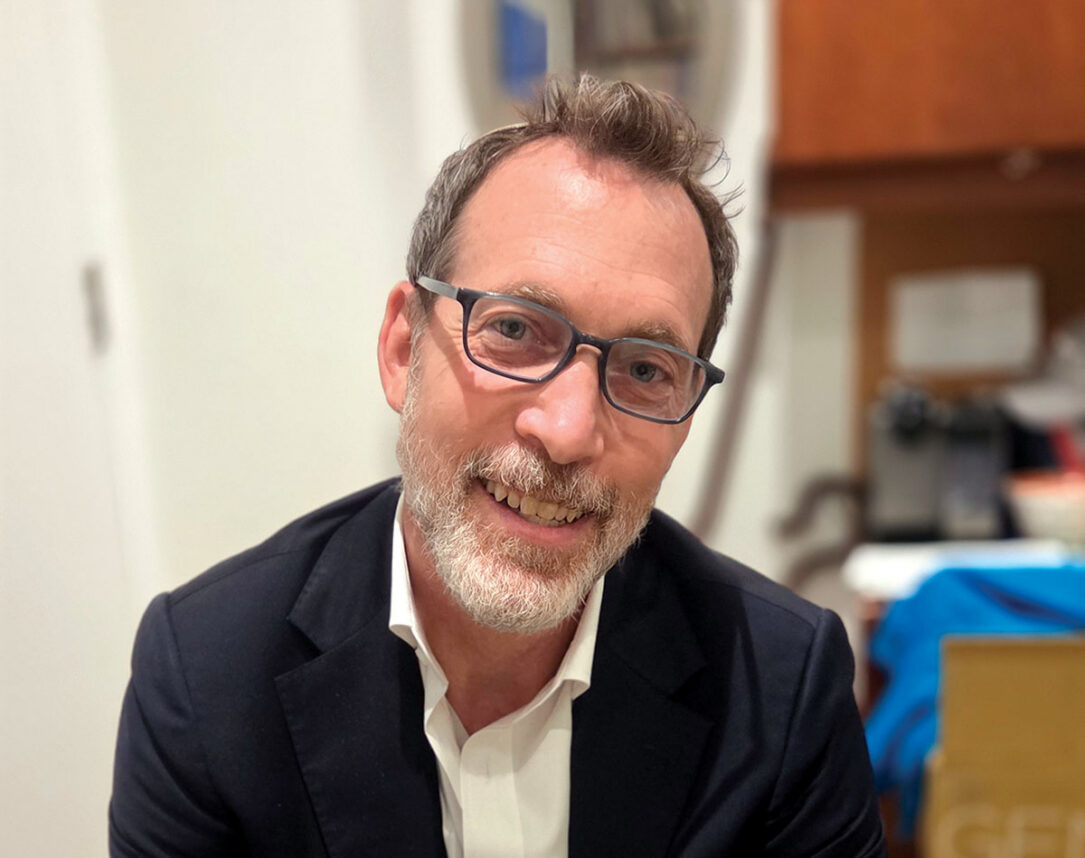
After nearly 28 years of volunteer work in the local Iranian Jewish community and setting up one of the first Iranian Jewish non-profit organizations in Los Angeles, Dariush Fakheri has resigned as president of the Eretz-SIAMAK Cultural Center in Tarzana.
Fakheri, 58, cited personal reasons for stepped down from his leadership post in April and only recently publicly acknowledge his new plans. “I wanted to give the new generation the opportunity to contribute and lead,” said Fakheri. “I will stay on as a consultant for the Eretz-SIAMAK Cultural Center and all the Jewish organizations in L.A.—sharing my experiences with them, if asked”. Fakheri’s exit from public service was unique in itself as many local Iranian Jewish leaders have typically remained in their positions for life or until their health failed.
Following the mass immigration of Jews from Iran to the L.A. area after the 1979 Iranian Revolution, Fakheri was one of the founders of the Iranian American Jewish Association, also known as SIAMAK to local Iranian Jews. The group was formed to help new Iranian Jewish immigrants reconnect with one another through new social and religious events. Over the years, SIAMAK, under Fakheri’s leadership was heavily involved in Iranian Jewish youth activities and community outreach, helping to subsidize the food and living expenses of nearly 100-poverty stricken Iran Jewish families that were not being helped by any other local Jewish groups.
Fakheri was considered an outsider and maverick by many Iranian Jews for not conforming to the leadership structure and methods the community’s leaders had brought over from Iran. As a result, he received both praise and condemnation from Southern California Iranian Jews for his frank and often bold criticisms of other local Iranian Jewish leaders for coddling up to the elite wealthy, rather than providing real social programs for troubled young people and struggling low-income families in the local Iranian Jewish community. “We at our organization did a lot of firsts that benefited so many and changed our community’s norm,” said Fakheri. “We have benefited from the support that the American Jewish community has given us during the last quarter century and it is time to payback. I have every intention to do so now”.
In 2004, Fakheri’s SIAMAK organization made history after becoming the first Iranian Jewish organization in the city to merge with the Eretz Cultural Center and Neria Yomtoubian Organization to form the Eretz-SIAMAK Cultural Center in Tarzana. The center has since become the largest Iranian Jewish organization in the San Fernando Valley with plans to build a new community center on its near one-block property in 2008 and 2009.
Despite his move away from public service, Fakheri said he will continue to support the efforts of the Israeli Macabee Games within the Iranian Jewish community and to work as editor-in-chief of the nonprofit Iranian Jewish Chronicle magazine, which he helped establish nearly 18 years ago.
Portions of this article were originally published in the Jewish Journal of Greater Los Angeles: http://www.jewishjournal.com/home/preview.php?id=17917