
Only Jews who are at least
trilingual, knowing not just their milk tongue, their native land’s vernacular,
but two tongues of the not-Near East,
biblical Hebrew and talmudic Aramaic, as tabernacular
for them as was the tabernacle
they built while in the wilderness with booths, recalled by Jews on Tabernacles,
the waste land wanderers’ ramshackle
accommodations’ roofless rooms they lived in when they shed their slavish shackles,
were zoomed with Moses to learn what
God said on Sinai using Hebrew words the prophet would explain
since most of them could surely not
translate God’s holy words into their milk language, felt profane.
On the Festival of Weeks,
called Shavuot, Jews eat meatless food that’s milky, though it’s more prosaic
than meaty food, because God speaks
to them on Sinai in a tongue that’s churned into their mother’s milk, Mosaic.
My “Rashi-rationale” for cheese-
cake eating on the Feast of Weeks is verse sixteen, Psalm sixty-eight,
recalling how all Jews said “Please,”
when offered tablets on a cheesy mountain on that sweet, hot date.
In “The Babel Within,” Gavin Francis, in the NYR 5/26/22, reviewing Memory Speaks: On Losing and Reclaiming Language and Self by Julie Sedivy writes:
Language is “a reliable badge of the gradations of belonging,” Sedivy writes, a timeless tool used by our hypersocial species to decide who is and isn’t to be trusted—something she underlines with a quote from the book of Judges:
“Are you an Ephraimite?” If he said, “No,” then they would say to him, “Say now, ‘Shibboleth.’” But he said, “Sibboleth,” for he could not pronounce it correctly. Then they seized him and slew him at the fords of the Jordan.
Ps. 68:16 may be the source of the custom to eat cheesecake on Shavuot:
טז הַר-אֱלֹהִים הַר-בָּשָׁן: הַר גַּבְנֻנִּים, הַר-בָּשָׁן. A mountain of God is the mountain of Bashan; a mountain of peaks is the mountain of Bashan.
גַּבְנֻנִּים not only means “peaks” but also may mean “cheeses,” as was first suggested by the great kabbalist, Rabbi Shimshon of Ostropoli, who died tragically together with three hundred of his followers during the Khmelnytsky Uprising in 1648.
Job 10:10 states:
י הֲלֹא כֶחָלָב, תַּתִּיכֵנִי; וְכַגְּבִנָּה, תַּקְפִּיאֵנִי. 10 Hast Thou not poured me out as milk, and curdled me like cheese?
The word תַּקְפִּיאֵנִי, you curdled me, perhaps inspired the story told in BShabbat 88a about how the Israelites received the Torah on Mount Sinai:
״וַיִּתְיַצְּבוּ בְּתַחְתִּית הָהָר״, אָמַר רַב אַבְדִּימִי בַּר חָמָא בַּר חַסָּא: מְלַמֵּד שֶׁכָּפָה הַקָּדוֹשׁ בָּרוּךְ הוּא עֲלֵיהֶם אֶת הָהָר כְּגִיגִית, וְאָמַר לָהֶם: אִם אַתֶּם מְקַבְּלִים הַתּוֹרָה מוּטָב, וְאִם לָאו — שָׁם תְּהֵא קְבוּרַתְכֶם The Torah says, “And Moses brought forth the people out of the camp to meet God; and they stood at the lowermost part of the mount” (Exodus 19:17). Rabbi Avdimi bar Ḥama bar Ḥasa said: the Jewish people actually stood beneath the mountain, and the verse teaches that the Holy One, Blessed be He, overturned the mountain above the Jews like a tub, and said to them: If you accept the Torah, excellent, and if not, there will be your burial.
The word שֶׁכָּפָה which means “He overturned,” perhaps alludes to תַּקְפִּיאֵנִי, you curdled me, in Job 10:10, whose word וְכַגְּבִנָּה, like cheese, recalls הַר גַּבְנֻנִּים, the cheesy mountain, in Psalm 68:16.
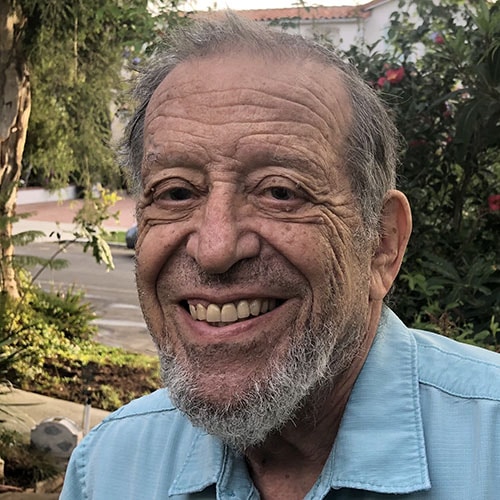
Gershon Hepner is a poet who has written over 25,000 poems on subjects ranging from music to literature, politics to Torah. He grew up in England and moved to Los Angeles in 1976. Using his varied interests and experiences, he has authored dozens of papers in medical and academic journals, and authored “Legal Friction: Law, Narrative, and Identity Politics in Biblical Israel.” He can be reached at gershonhepner@gmail.com.