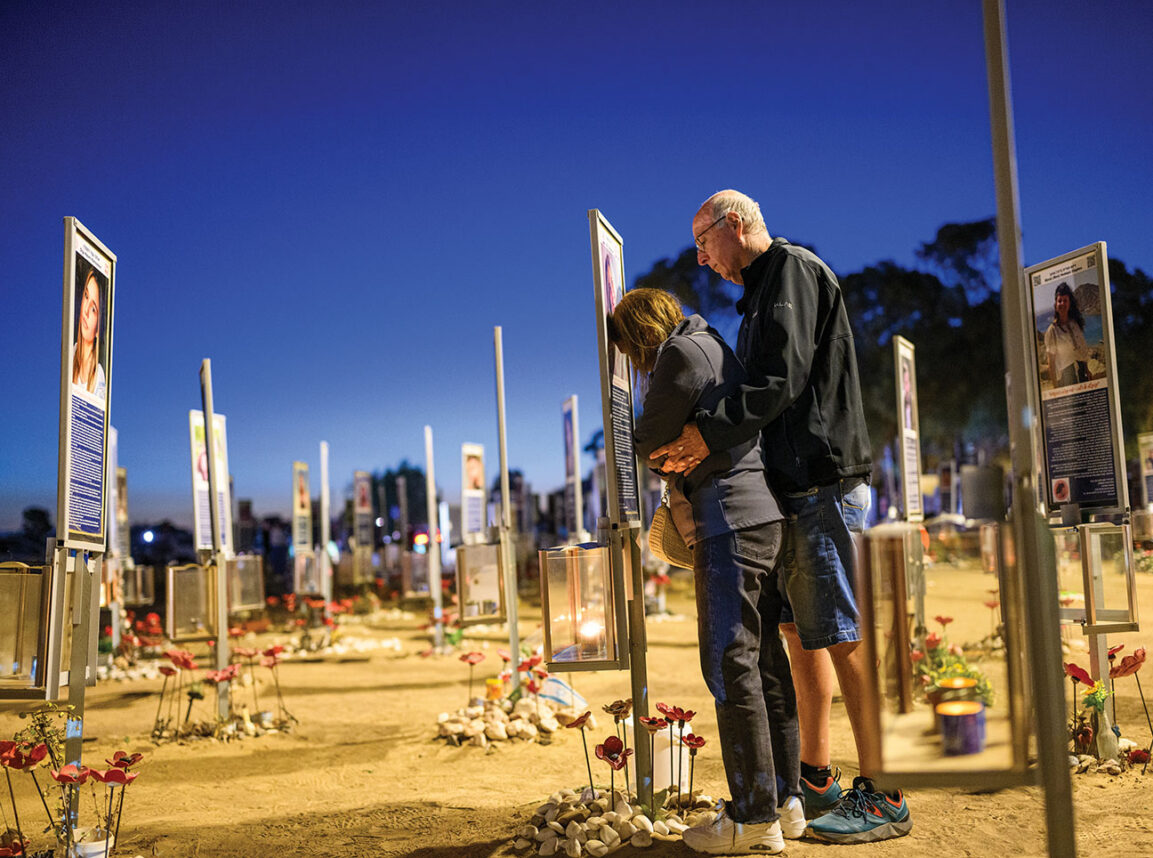
I know many people are saddened over the tragedy that occurred on Mt. Meron in Israel. What it was like for those who were there. What did they feel? What were they thinking? Those who attend the yearly religious event carry certain spiritual assumptions and ideas that animate their lives. Some of those concepts are distant from many American Jews. The poem below tries to imagine it from an attendee’s perspective and to provide a context and perspective that can open up the meaning of Mt. Meron to a wider audience.
Here’s a glossary of words that appear in the poem:
Rabbi Shimon Bar Yohai: Early mystic and Talmudic figure who is buried on Mt. Meron where the stampede occurred.
Bubbe: Grandma
Muhter: Mother
Neshama: soul
Kedushah: holiness
Yiddin: Jews
Pagum: defective, flawed
Avinu she’bashamayim: Our Father in Heaven
Kiddush Hashem: a death that sanctifies God’s name
Let Me Ascend the Mountain of the Lord
Let me ascend the mountain of the Lord.
Let me gather with my people.
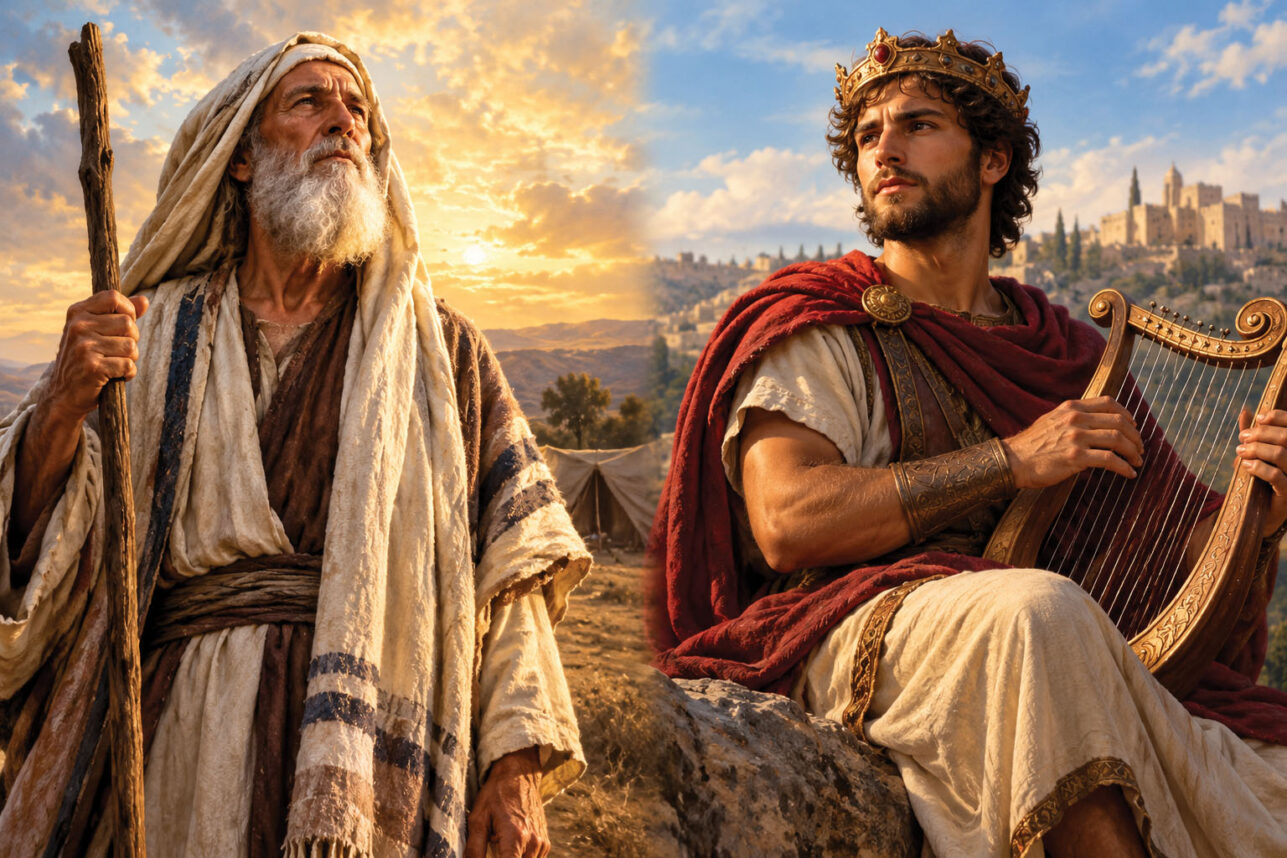
Let me sense his soul, Shimon bar Yohai,
On Mount Meron
At this time of holy pilgrimage.
He taught us that life is not what it seems.
Beneath the surface of the ordinary,
Existence pulses
Torah flows
A river of insight
A promise of eternity
The blessing of Shimon bar Yohai.
His neshama blazed with kedushah.
He was a conduit of divine flow.
In the words of the Zohar,
He left us a map back to the heavens.
This is why I climb the mountain each year.
That is why I risk in a time of pandemic
To gather with my people
To sing and dance and sit by the bonfire.
All of life is ablaze with God
And I need to feel that outpouring of divine grace.
Let me be part of this infinite flow.
Let me feel restored after a darkened year
When we huddled in our apartments
Forbidden to gather,
To do what Yiddin do.
But then something went wrong.
Someone slipped, and then another.
Our bodies tumbled into each other.
Fear and cries,
Panic pressed in on us.
Like in the crowded boxcar that took away my Bubbe,
When my Muhter was just a girl,
Their hands clasped for the last time.
Was there a flaw in our service?
Were we pagum in our joy?
I carried out my neighbor
Lifeless in my arms.
My ears ring with grief,
My heart is heavy.
Avinu She’bashamayim,
Gather up their souls,
They died for You, kiddush hashem,
On Mt. Meron on the thirty third day
When all we wanted
Was to be close to You
To ascend Your mountain
To live with joy.
David Kosak is the senior rabbi of Congregation Neveh Shalom, in Portland, Oregon.