
fbpx

Rosner’s Torah Talk: Parshat Ki Tisa with David Helfand

[additional-authors]
March 4, 2021

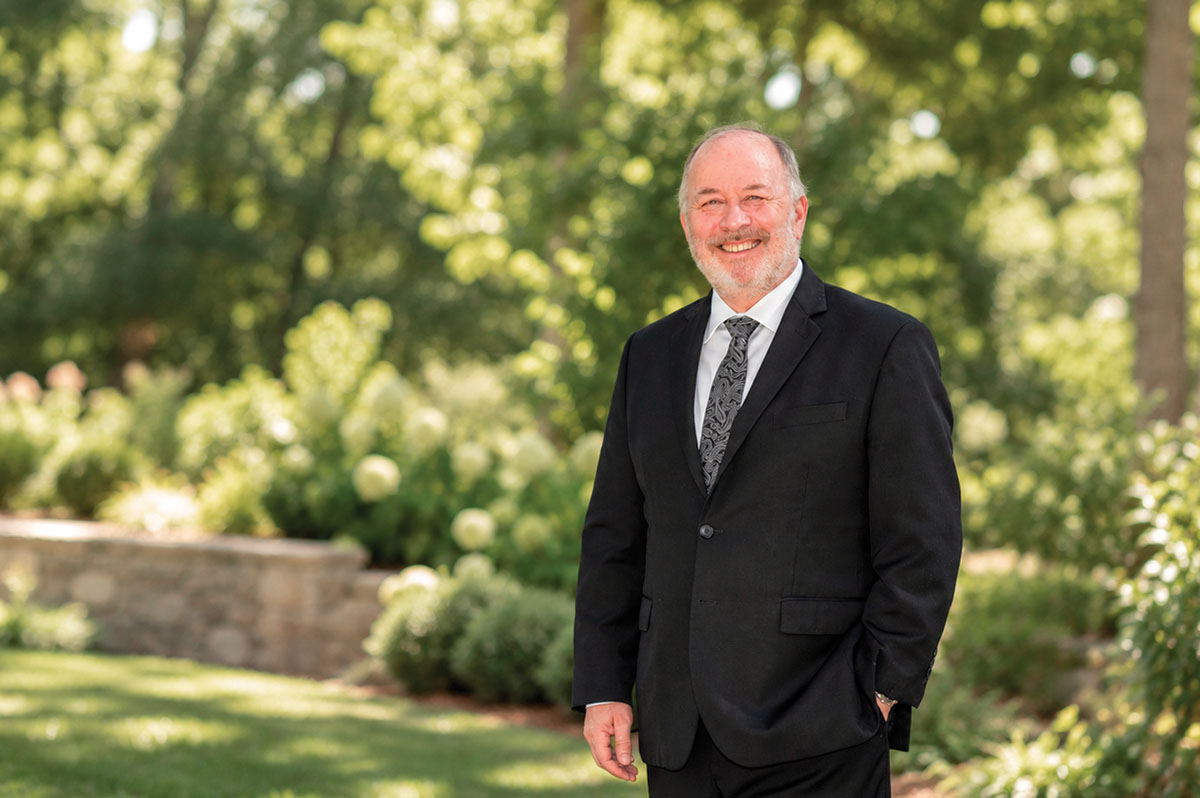
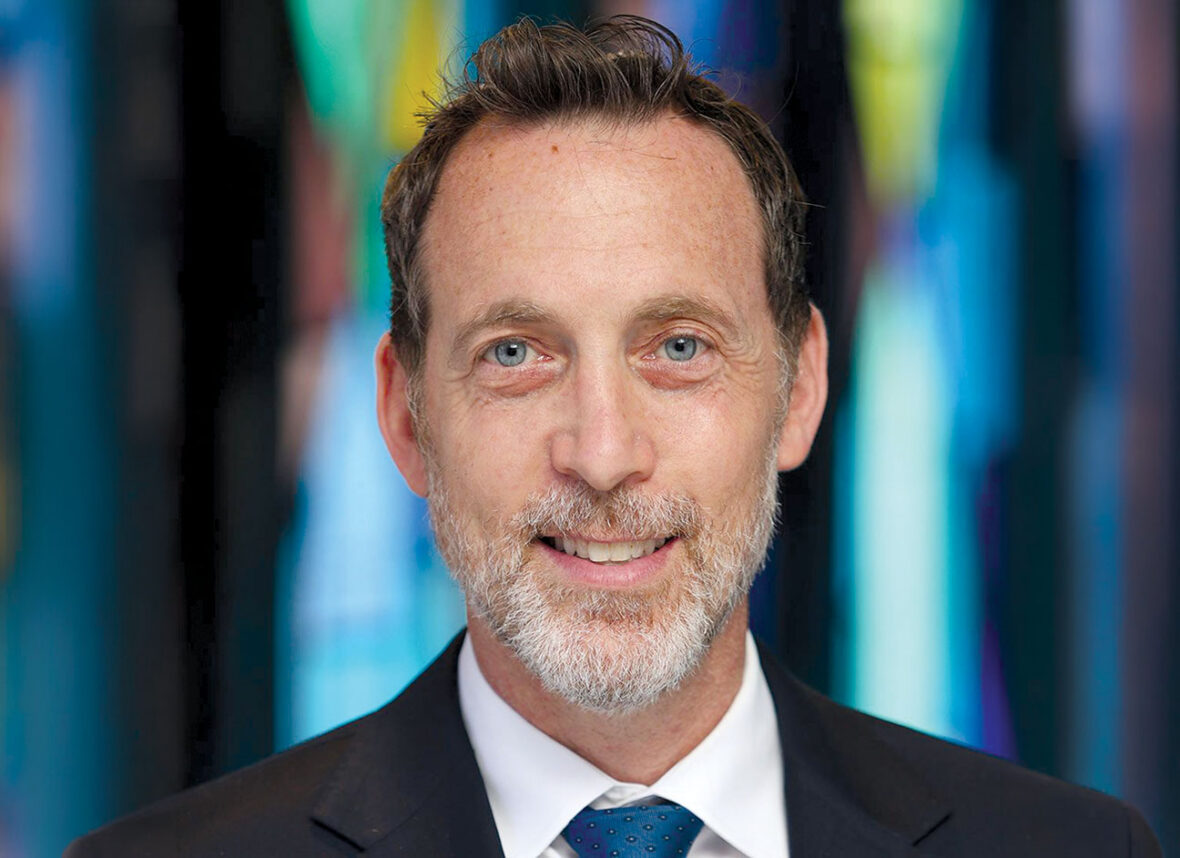
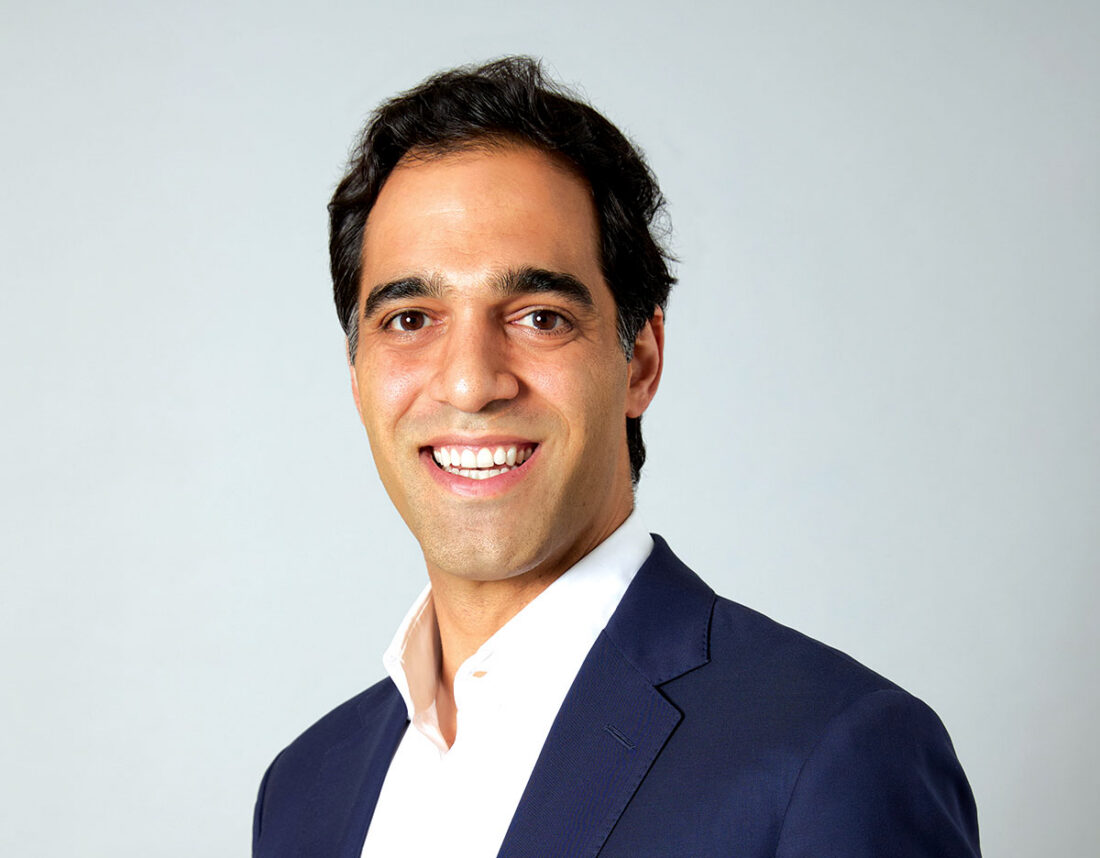
David Helfand is a fourth year rabbinical student at the Ziegler School of Rabbinic Studies where he is also pursuing a masters degree in Jewish Education. David serves as the rabbinic intern at Shomrei Torah Synagogue in West Hills,CA. David has completed a unit of Clinical Pastoral Education as well as a summer as a spiritual counselor at a Jewish addiction and rehab center. David decided to pursue the rabbiniate because he couldn’t make it as a Jewish and observant sports broadcaster and because of his love for the Jewish people, the tradition and a good cholent on Shabbat afternoon.

This Week’s Torah Portion – Parashat Ki Tisa (Exodus 30:11-34:35) – begins with the census of the people of Israel and with further instructions concerning the Tabernacle and the Shabbat. The portion then proceeds to tell the story of the Golden Calf, Moses’ plea to god, the splitting of the Tablets into two, and the giving of the second tablets.

Previous Torah Talks on Ki Tisa

Rabbi Rachel Ain

Rabbi Gabe Greenberg

Rabbi Gerald Skolnik

Rabbi Charles Arian

Rabbi  David Kosak

Rabbi Howard A. Berman


Did you enjoy this article?
You'll love our roundtable.

Editor's Picks

Latest Articles

A Ka’ak By Any Other Name

A symbol of hospitality, families bake batches for holidays, family celebrations and visits with friends and relatives.

The Story That Never Goes Away

Rachel Goldberg-Polin, mother of slain hostage Hersh Goldberg-Polin, can’t stop speaking about her pain and the public love her body cannot always receive. She talks to the Journal about her son’s legacy and her new book.

Rosner’s Domain | A Dime-Store Abe: The Karhi Crisis

This week’s “Constitutional Crisis” is typical of the way the government operates. It issues a statement, or a tweet and then walks it back. Oops, we did not mean it. Or rather, we did, but we also meant to deny that we did.

Why Can’t We Be Friends?

If we want to see a less polarized society, both internally and beyond, we must emphatically reject the idea that political alignment is the predominant commonality for friendship.

Ruth-less, the Enigma of a Name

Jews spoke in two voices about Ruth, a kind of national schizophrenia, one with joyous chanting on Shavuos as the Book of Ruth was read; the other, removing her name from the chain-link of repeated names throughout the generations.

Honoring My Father: Saying Kaddish with Men

Saying kaddish every day tested my faith and commitment. It made me realize that there is no room for excuses. It taught me how to show up. It taught me that my voice can be heard, even when not expected.

More news and opinions than at a Shabbat dinner, right in your inbox.