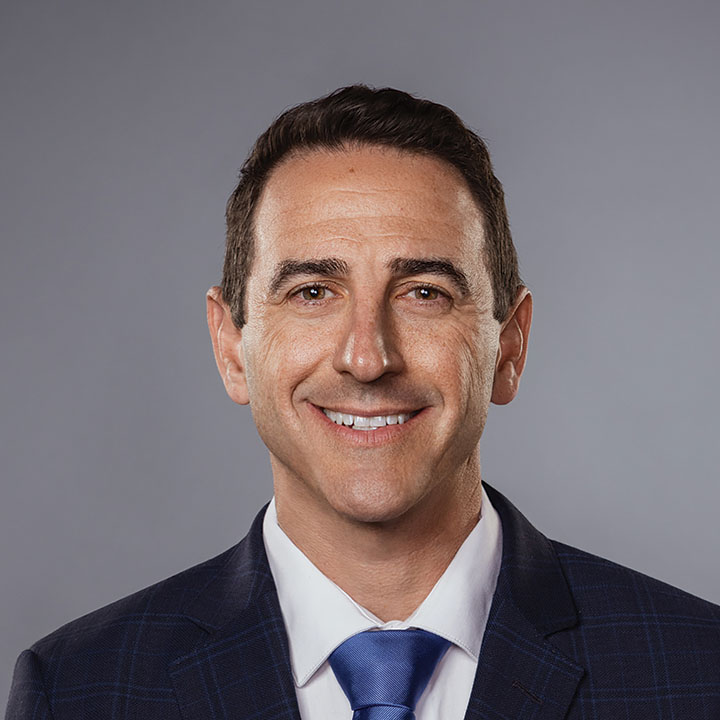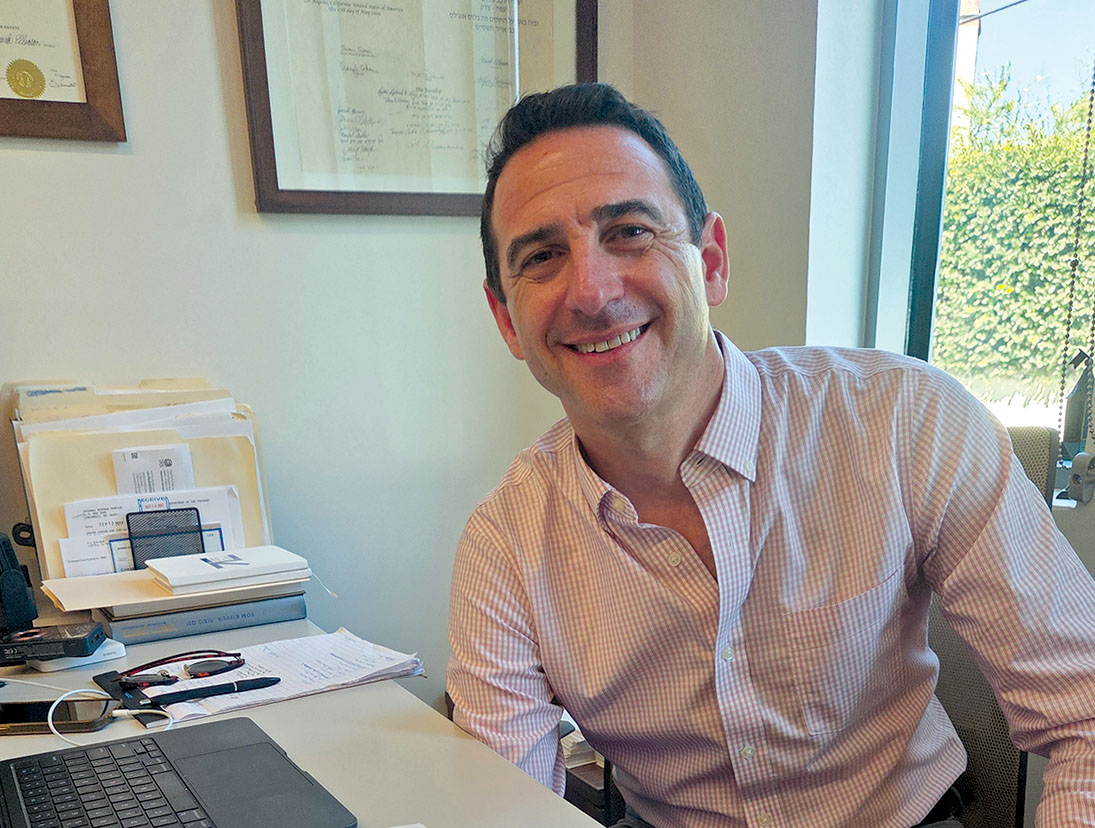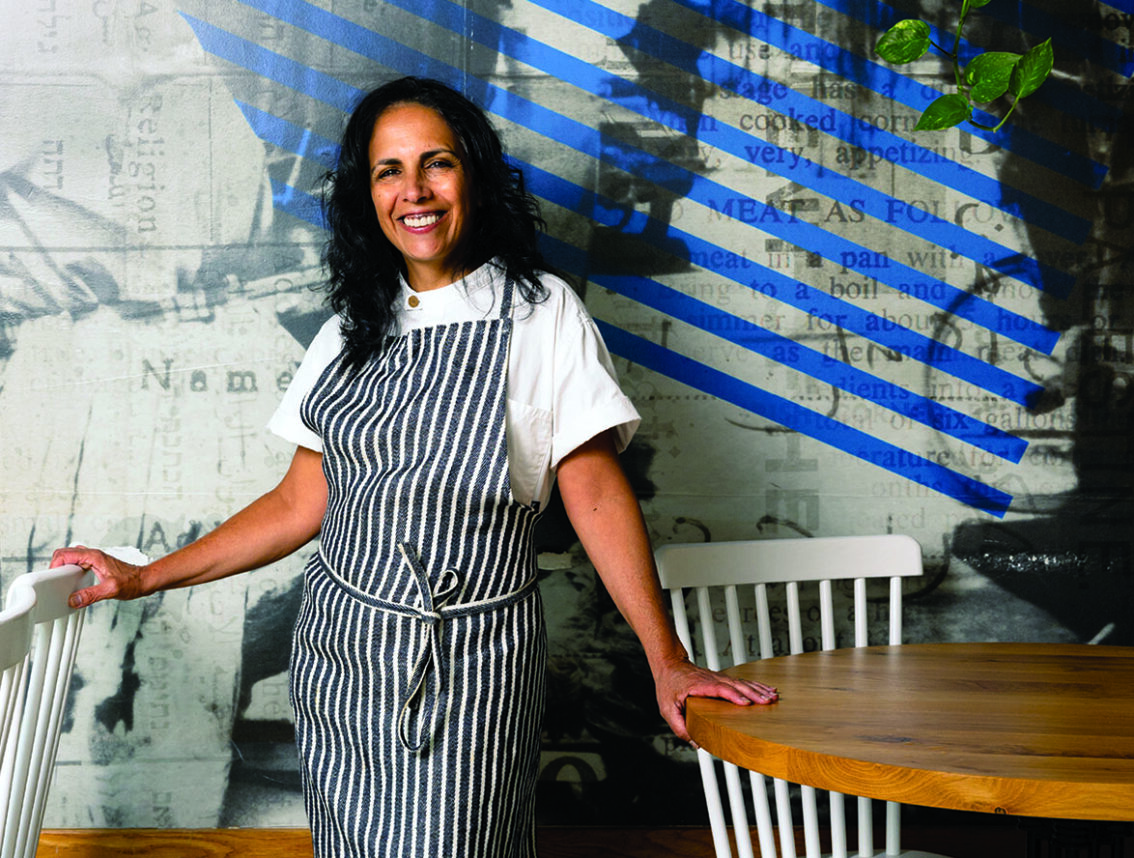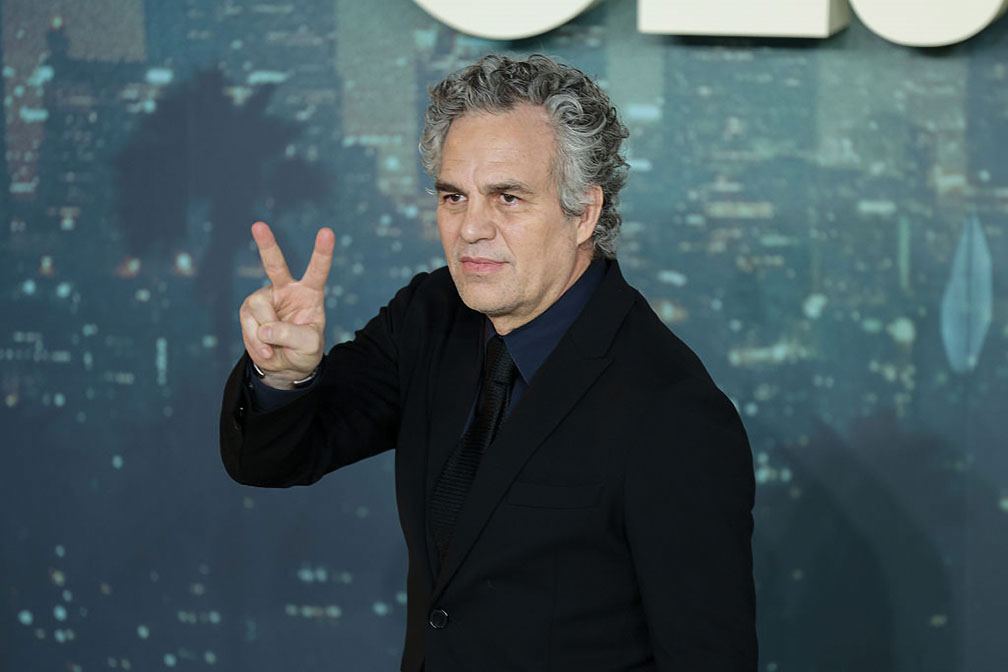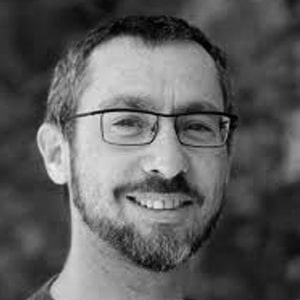

David Kosak of Congregation Neveh Shalom in Portland Oregon is a 30th generation rabbi, but his path to the rabbinate had its own plot twists. His first career as a chef and entrepreneur brought him out West from his native New York, where he had earned a BA in Philosophy from NYU. His formal education includes an MA in Rabbinics from the American Jewish University (formerly the University of Judaism). David pursued advanced studies at Mechon Schechter, Hebrew University, Yakar Torah Center for Tradition and Creativity, and the Hartman Institute, all in Jerusalem. He received his Rabbinic Ordination in 2006 from the Ziegler School of Rabbinic Studies in Bel Air, California. His post-ordination studies include a stint as a STAR fellow and advanced courses on areas of Jewish law such as Gittin (Jewish divorce) and industrial kashrut.
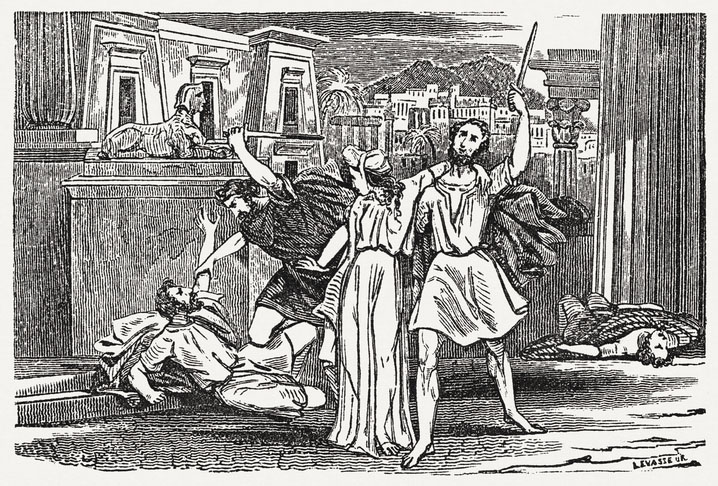
This Week’s Torah Portion – Parashat Ki Tisa (Exodus 30:11-34:35) – begins with the census of the people of Israel and with further instructions concerning the Tabernacle and the Shabbat. The portion then proceeds to tell the story of the Golden Calf, Moses’ plea to god, the splitting of the Tablets into two, and the giving of the second tablets. Our discussion focuses, among other things, on the reason behind the people of Israel’s discontent and on the possible role of Moses’ leadership in their sin.
More Rosner Torah Talks on Ki Tisa: