fbpx

Haggadot 2000

A 1998 article about Chicago collector Stephen Durschslag\'s haggadah collection set the number of different haggadot on his shelves at 4,500, increasing almost daily. It\'s probably impossible to know how many haggadot exist, but it\'s obvious that for every Jew, there should be a haggadah that fits like a glove.
[additional-authors]
December 8, 1999

A 1998 article about Chicago collector Stephen Durschslag’s haggadah collection set the number of different haggadot on his shelves at 4,500, increasing almost daily.

It’s probably impossible to know how many haggadot exist, but it’s obvious that for every Jew, there should be a haggadah that fits like a glove.

In Every Generation —

Escape and Survival

One of the few new haggadot this spring is a fascinating reminder of the parallels between our ancient and more recent past. A Survivor’s Haggadah (Jewish Publication Society, 2000) is a facsimile of a work written in 1945-46 by Lithuanian survivor/ teacher/ writer Yosef Dov Sheinson. Used during the first post-liberation Passover seder in Munich, in April 1946, the original booklet was found by editor Saul Touster of Brandeis among his father’s papers and serves as the source for this edition.

Professor Touster’s introduction and commentary are revealing and jarring, in keeping with the powerful words by Sheinson and the woodcuts by another survivor, Mikls Adler. To read of the DP camps and initial Allied political insensitivities is to be angered; to read Sheinson’s text indicting factionalism among the Jews within the camps (as among the Israelites in the desert) is to be bemused; to read of the roles played by Rabbi Abraham J. Klausner and other U.S. chaplains in “organizing” for the Saved Remnant is to be inspired; to trace through word and woodcut these dual stories of deliverance is to be moved beyond words.

Contemporary User-

Friendly Haggadot

A Different Night: The Family Participation Haggadah by Noam Zion and David Dishon (Shalom Hartman Institute, 1997) is especially designed to let you plan seder length to what your group can handle. Suggested thought questions, quotations from myriad sources, cartoons, and artwork from more formal sources are included, and the book is guaranteed to involve everyone.

Rabbi Mordecai M. Kaplan, with rabbis Eugene Kohn and Ira Eisenstein, edited a breakthrough haggadah, The New Haggadah (Behrman House) for the Jewish Reconstructionist Foundation in 1941. A 1999 Behrman House revision, prepared by an editorial committee of outstanding young rabbis and retitled The New American Haggadah, includes songs by Debbie Friedman and references to civil rights and other timely issues — and you’ll be able to read the typeface.

Among other fine and friendly table haggadot are the abridged Family Passover Haggadah by Elie M. Gindi (SPI Books), a real labor of love that incorporates illustrations from ancient illuminations to photographs to animation figures with ideas and questions scattered throughout.

Tents of Jacob and

Tongues of Exile

Haggadah from Four Corners of the Earth by Ben Cohen and Maya Keliner (1997) is recommended for families with multilingual guests, since it combines the Hebrew text with linear translations in English, Russian, Spanish and French. Nicely designed and certainly indicative of the diversity of Am Yisrael.

To obtain information on haggadot in Hebrew and other languages (e.g., Hebrew-Arabic, Dutch, French, German, Italian, Polish, Russian and Spanish), go online to http://www.books international.com/hags.htm. Questions can be directed to info@booksinternational.com. This company is based in Israel, so don’t count on quick delivery. Check local sources first.


Did you enjoy this article?
You'll love our roundtable.

Editor's Picks

Latest Articles

More than Names

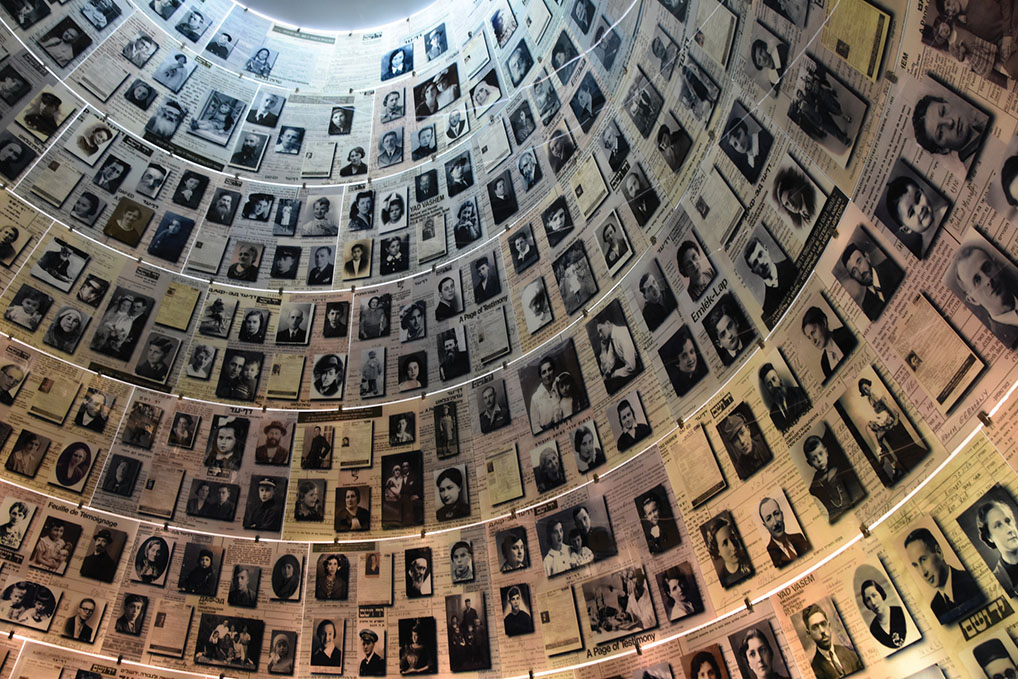
On Yom HaShoah, we speak of six million who were murdered. But I also remember the nine million who lived. Nine million Jews who got up every morning, took their children to school, and strove every day to survive, because they believed in life.

Gratitude

Gratitude is greatly emphasized in much of Jewish observance, from blessings before and after meals, the celebration of holidays such as Passover, a festival that celebrates liberation from slavery, and in the psalms.

Freedom’s Unfinished Journey

The seder table itself is a model of radical welcome: we are told explicitly to invite the stranger, to make room for those who ask questions and for those who do not yet know how to ask.

Thoughts on Security

For students at Jewish schools, armed guards, security gates, and ID checks are now woven into the rhythm of daily life.

Can Playgrounds Defeat Antisemitism?

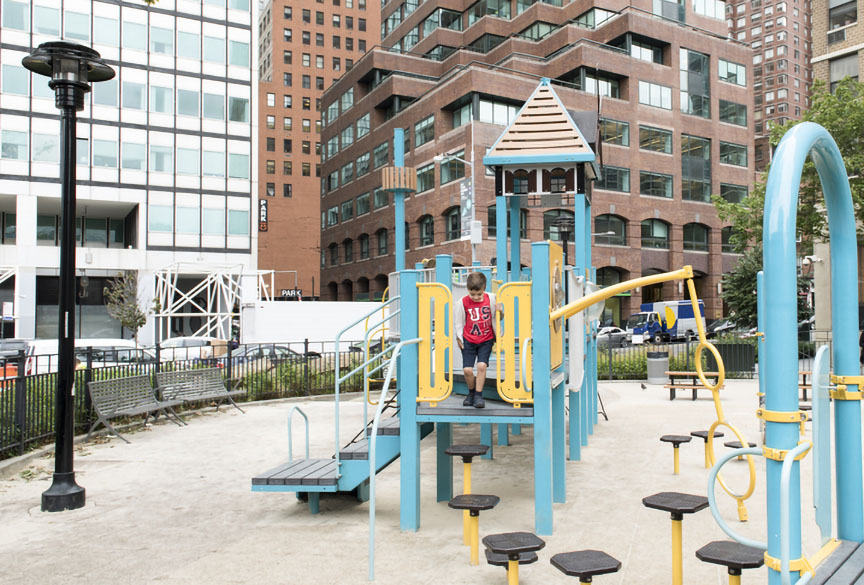
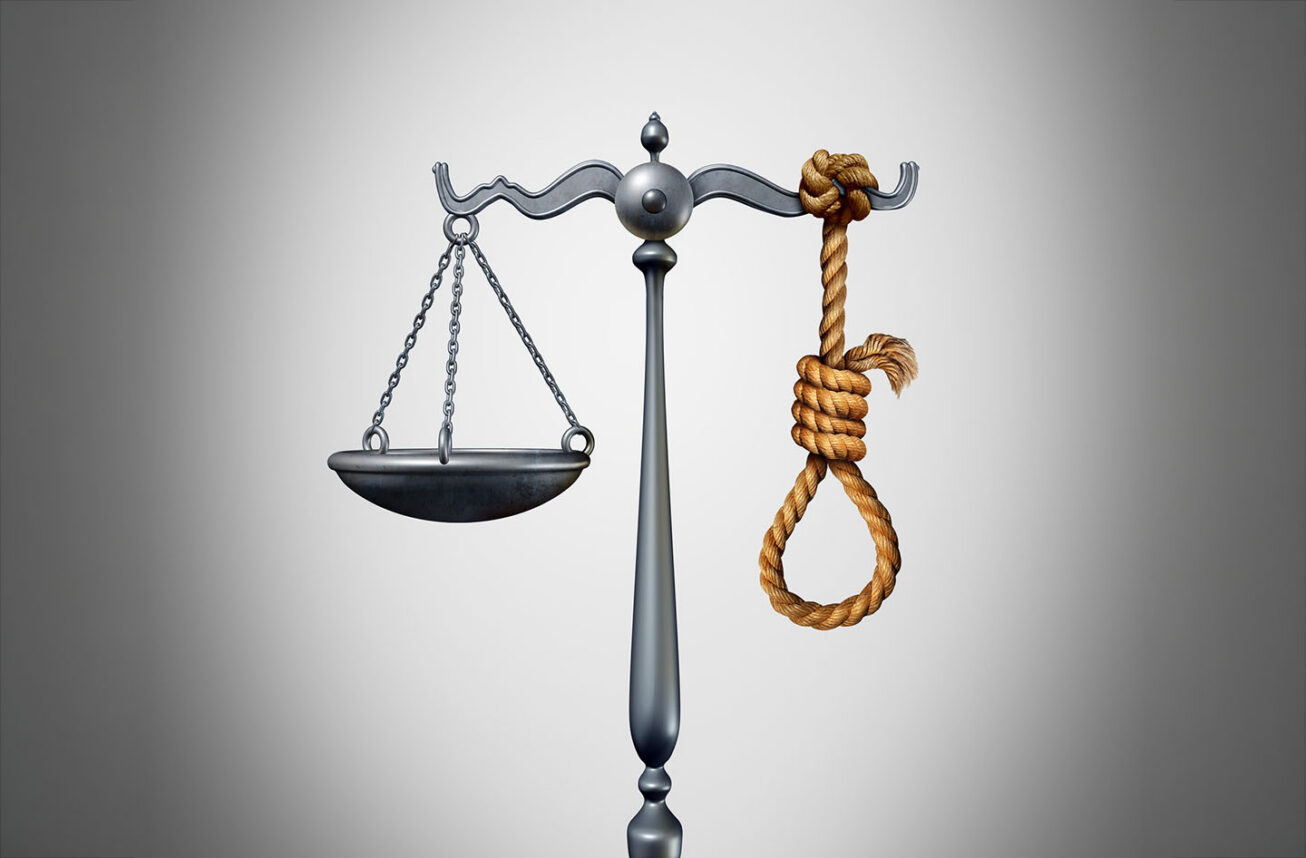
The playground in Jerusalem didn’t stop antisemitism, and renovating playgrounds in New York City is not likely to stop it there, either — because antisemitism in America today is not rooted in a lack of slides or swings.

America First and Israel

As Donald Trump continues to struggle to explain his goals there, his backers have begun casting about for scapegoats to blame for the president’s decision to enter the war. Not surprisingly, a growing number of conservative fingers are now pointing at Benjamin Netanyahu.

Defending Israel in an Age of Madness

America’s national derangement poses myriad challenges to those not yet caught up in it. The anomie is daunting enough for the general public — if that term still makes sense in this fragmented age — and it is virtually insurmountable for the defenders of Israel.

By the Time You Read This … Who Knows?

You could despise Trump and believe he has bungled every aspect of this war and still recognize the immense value of degrading the threat of a genocidal regime that is rabidly anti-American.

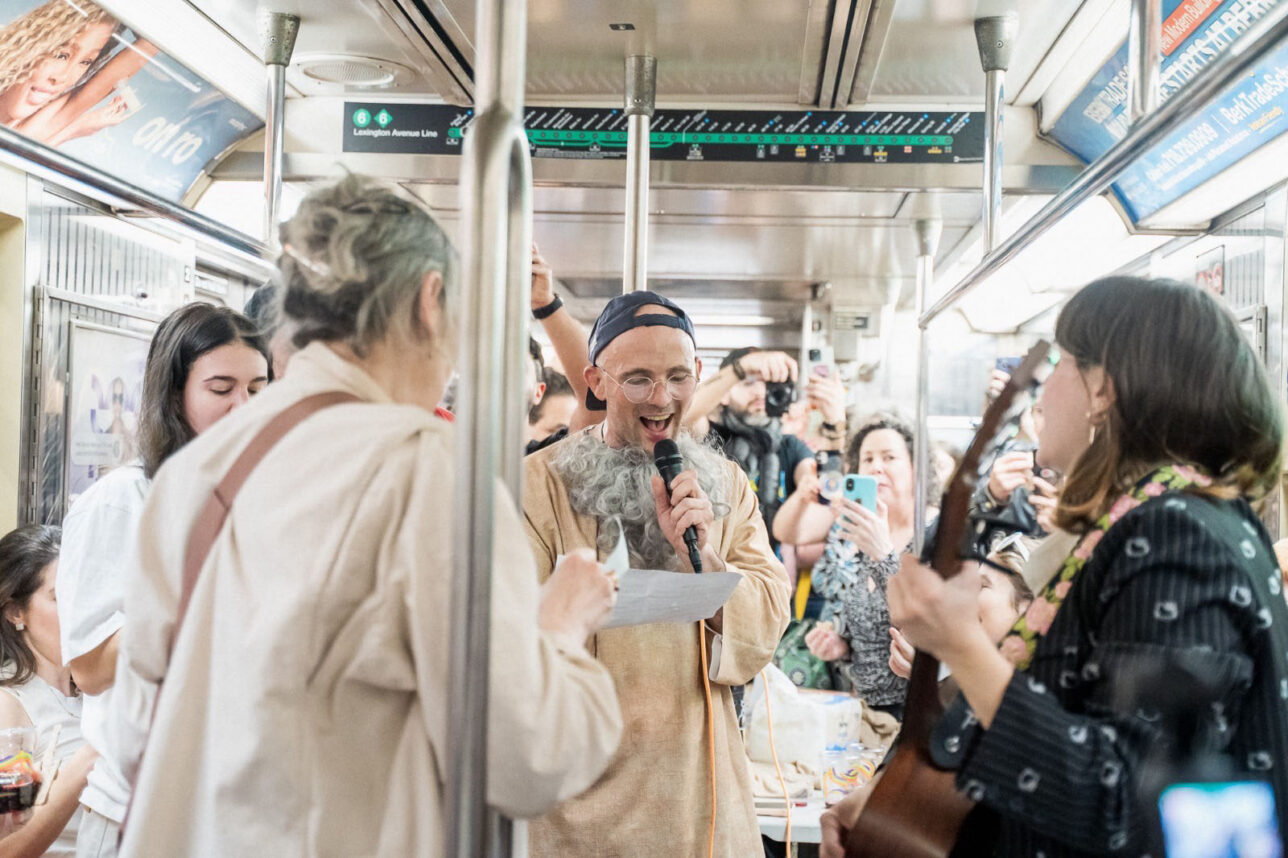
Jewish Rapper Hosts a Seder on NYC Subway Car

The April 1 pop-up, coinciding with the first night of Passover, drew notable attendees including Princess Superstar, a Jewish rapper, singer and DJ; New York City-based Rabbi Arielle Stein; and Yiddish singer Riki Rose.

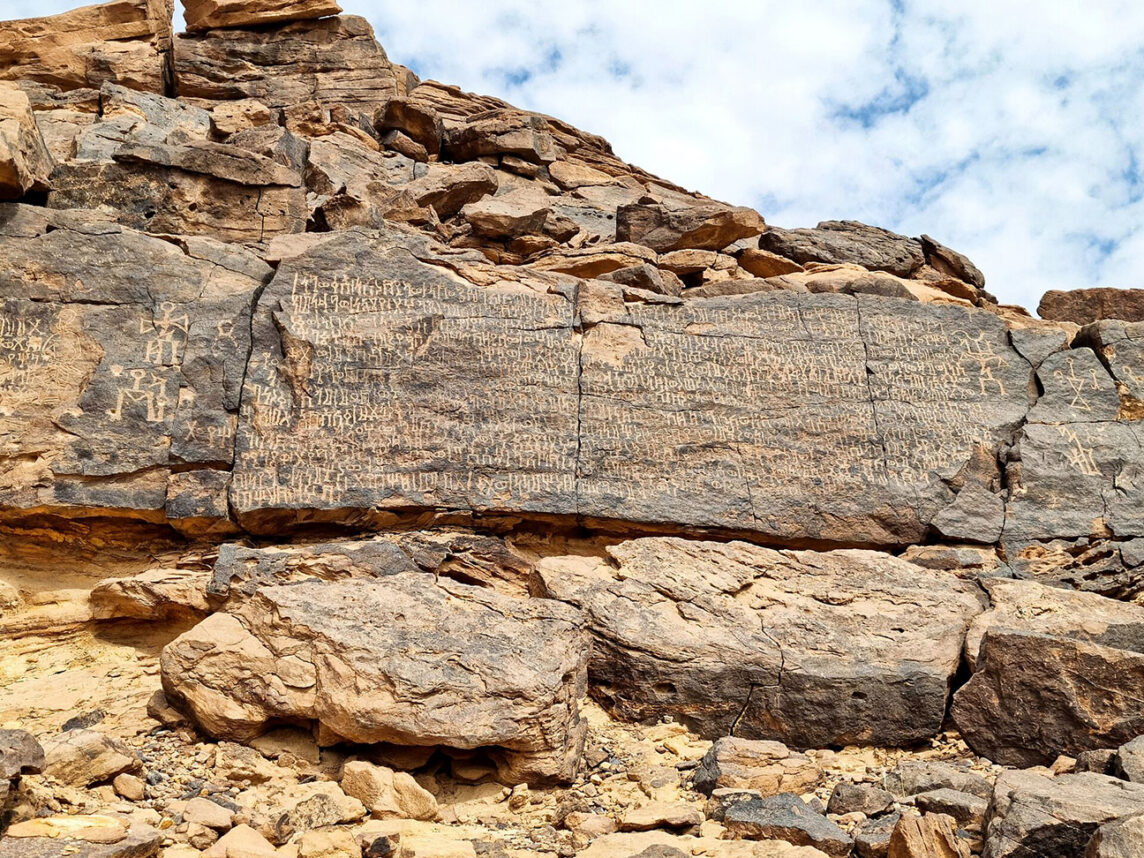
The Jewish Kingdom of Southern Arabia

The tale of Himyar reminds us of the ongoing Jewish presence in the Middle East, its important history, but also of the danger of religion interwoven with state politics.

How Do We Regain Our Mojo?

How a Mark Twain passage at our Passover seder led me to reflect on the themes of envy and Jewish self-esteem.

It Was Never About the Victims

In contradistinction to those whose intact moral compass tells them that violently attacking another human being is immoral regardless of identity categories, the progressive imagination doesn’t find immorality in the act of violence at all. It locates morality in identity, not conduct.

Karpas – a poem

Ahoy! I have been to the supermarket – There is matzah on the end caps, and this time it’s not because it’s Hanukkah or Rosh Hashana!

The Enduring Allure of Communism

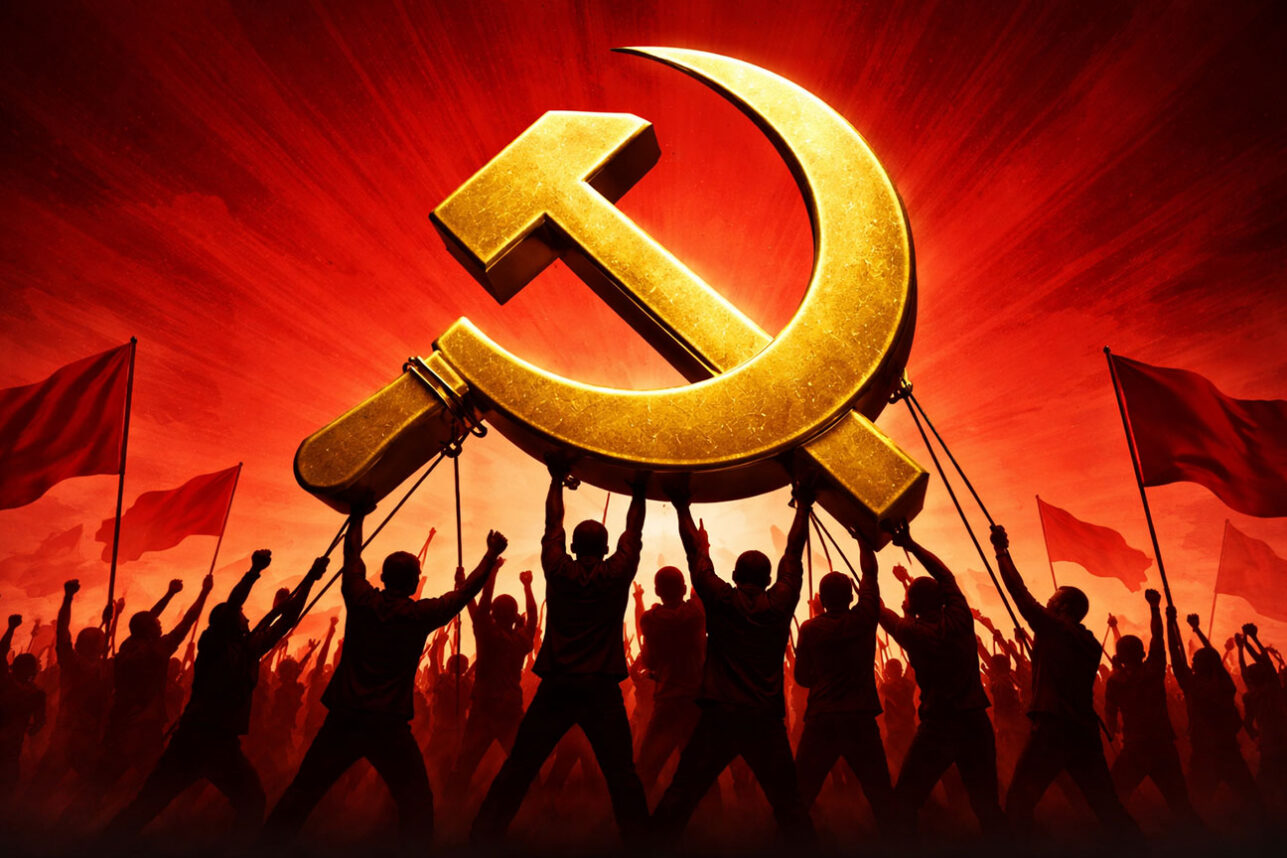
There really are no compelling substitutes in the secular world for communism, or its progressive 21st-century permutations, which is why it endures and attracts despite the best efforts at education.

More news and opinions than at a Shabbat dinner, right in your inbox.