With the risk imposed by the new intifada, the near-term security of individual Israelis weighs heavily on all our minds. However, we also must consider threats farther afield, as Iran, Iraq and Syria threaten the long-term stability of the entire Israeli state.
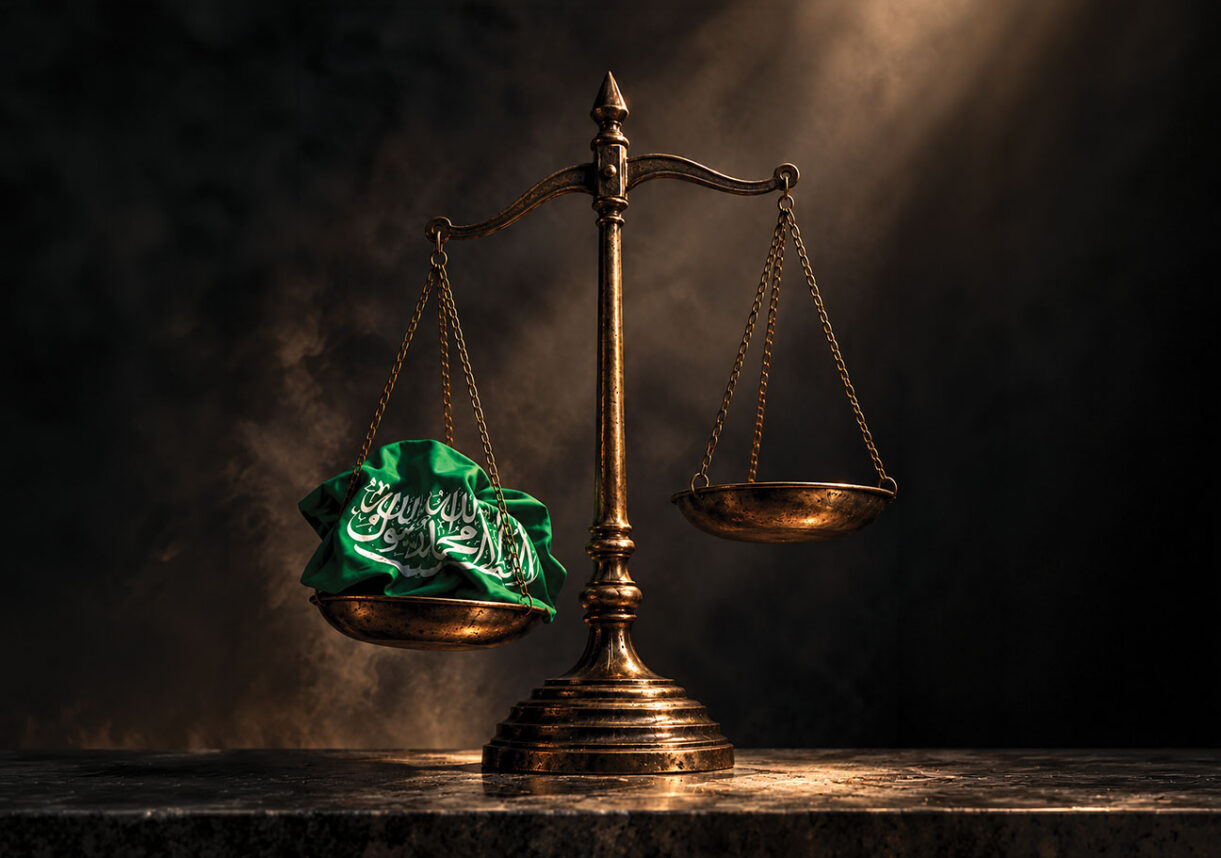
In responding to these threats, there must be a range of alternatives between strongly worded letters and cruise missiles. Sanctions fill that middle ground.
Some business interests, however, would prefer to unravel our sanctions policy, and they are making significant inroads among the Bush administration and members of Congress alike.
During his confirmation hearing, Secretary of State Colin Powell expressed interest in working with Sen. Chuck Hagel (R-Neb.) to eliminate most sanctions. Despite the current U.S. policy of allowing any country in the world to buy our food at market prices, agricultural interests, such as those in Hagel’s home state of Nebraska, oppose sanctions. Agriculture’s real aim is to convince taxpayers that the United States should subsidize American agricultural exports to rogue states. This would be a particularly dangerous policy: a hostile country that can buy cheaper food clearly could use the leftover funds to buy weapons.
Moreover, the arguments that business lobbyists employ against sanctions policies are simply wrong.
First, sanctions should not be confused with a decision to deny foreign assistance or to place conditions on foreign aid to a country. Furthermore, when a few Chinese companies are banned from the U.S. market because they use slave labor, that does not mean that Washington is sanctioning all of China’s 1.3 billion people.
Instead, sanctions are correctly defined as the cessation of "business as usual" with an entire country. Therefore, the United States does not impose sanctions willy-nilly against two-thirds of the world’s countries, as some business interests claim. On the contrary, we impose sanctions selectively on less than a dozen rogue regimes.
Second, unilaterally imposed sanctions can and do work. U.S. sanctions on the former military regimes in Brazil and Argentina helped to cause both governments to abandon their previously robust nuclear weapons programs in the late 1980s. Similarly, piracy of intellectual property, such as CDs and movies, has declined substantially in China because the United States threatened Beijing with sanctions.
Unilateral sanctions also can bring about multilateral results. The Iran-Libya Sanctions Act (ILSA) has pressured European oil companies to either halt oil transactions with Iran or suffer penalties imposed by Washington. In addition, the United States led the way in the mid-1980s with sanctions against South Africa, with other industrialized nations following suit, contributing to the collapse of apartheid in the early 1990s.
The same people who claim sanctions don’t work against foreign countries often claim that they work too well against our country. They say that interfering with $25 billion a year in commerce is too high a price to pay. However, when compared to our $10-trillion economy and the potential loss of American lives if military intervention were necessary, the cost of sanctions seems small.
Another concern is that the common people in a country and not the offending regime are affected by sanctions. First, one should keep in mind that food and medicine are exempted from U.S. sanctions and can be sold to any country interested in purchasing them. In the case of the oft-cited example of Iraq, when Baghdad exports its oil, the money goes into a United Nations fund to be spent exclusively on food and medicine. Compared with the notion of giving Saddam Hussein full control over Iraq’s oil profits and hoping for the best, the current sanctions regime against Baghdad makes infinitely more sense.
Because of the continued importance of sanctions as a foreign policy tool, I have made the five-year reauthorization of the ILSA one of my top legislative priorities. The act subjects international companies that make significant investments in the Iranian energy sector to significant penalties until Iran ceases to support terrorism and the acquisition of weapons of mass destruction. Not surprisingly, the U.S. business lobby is exerting tremendous pressure to ensure that the law expires.
However, the sanctions against Iran are working. Tehran even filed a letter with the United Nations to complain that sanctions have impaired Iran’s economy. In fact, sanctions could force Iran to become a net energy importer over the next decade. Iran has been unable to buy the latest oil-drilling technology and recently completed only four of 55 oil-related projects because international companies recognized the value of continued unrestricted access to the U.S. market.
Early last year, the Clinton administration chose to allow Iran’s key non-oil exports — carpets, caviar, and pistachios — to be exported to the United States. Frankly, that was a mistake. We should reverse that policy, at least until Iran releases the nine Jews still being held in Shiraz on trumped-up spy charges.
We should hope that Iran’s endangered political reform process succeeds. However, even if it does, it’s likely that Iran’s security services and religious police will remain in the hands of hard-liners. The destabilizing actions of such hard-liners in Iran and elsewhere in the Middle East, as well as those of other rogue states worldwide, are what are our sanctions are targeted against, and that is why I will continue to fight to preserve our sanctions policies.