This story originally appeared on themedialine.org.
Israel has endured dozens of terrorist attacks over the past two decades, including a series in Jerusalem over the past few months. In the most shocking, Palestinians killed four Jewish worshippers and a policeman while they were praying in a synagogue.
The attack on the Charlie Hebdo magazine, which was the worst terrorist attack in France in decades, has evoked both sympathy and concern of Israelis for the French. And while recent terrorist attacks in Israel have appeared to be of the “lone wolf” variety in which individual perpetrators are inspired rather than dispatched by larger terrorist organizations, Israeli terrorism experts say it is clear that the attackers in Paris were well-trained.
[RELATED: Charlie Hebdo and the freedom to offend]
“They [obviously] had small arms training and some sort of combat training and experience, which puts them in a more sophisticated category than the recent attacks we've seen in Jerusalem which appear to be spontaneous and without a particular combat background,” Yossi Alpher, a former senior official of Israel's famed Mossad intelligence agency, official told The Media Line. “This is Al-Qaeda and the Islamic State coming home to Europe via volunteers who went and came back. It is clearly a by-product of what is going on in the Middle East these days.”
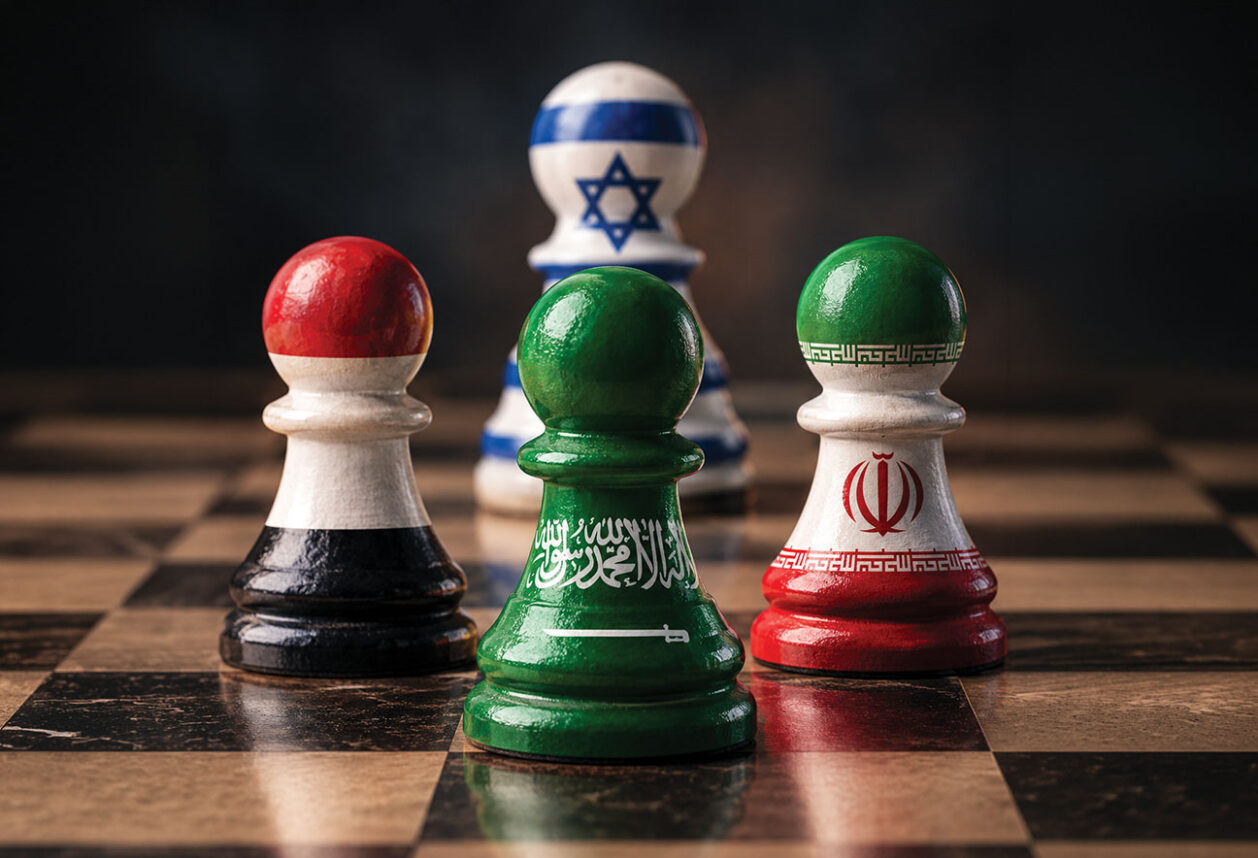
Witnesses said the terrorists identified themselves as members of Al-Qaeda in Yemen, one of the most lethal incarnations of the global terrorism network. But some Israeli experts say that until the attackers are captured, it is too early to confirm their identification and affiliation.
“I think we have to take it with a grain of salt, and it is not clear that they were really sent by Al-Qaeda,” Yoram Shweitzer, of the INSS think tank at Tel Aviv University, told The Media Line. “There are often brothers or cousins who cooperate, and apparently one of them had some Iraqi ties but it is too early to really know for sure.”
The deadly assault also raises the matter of European citizens who travel to Syria to fight with either Al-Qaeda or Islamic State (ISIS), and then return to their country of citizenship where they are able to turn their newfound training and deadly skills against their own countrymen. While it's not clear how many have done so, estimates are that war-honed veterans are returning in the thousands.
Alpher notes that if an Arab Israeli traveled to Syria, which maintains a state of war with the Jewish state, he or she would be jailed upon returning to Israel. But the comparison breaks down because of the sheer difference in numbers. Since the number of Arab citizens of Israel fighting in Syria is very small, it is easier to keep tabs on them. Alpher warns that it is not possible to keep thousands of people under full-time surveillance.

Israeli experts say that European countries have been successful at preventing many other planned terrorist attacks. “The European security services are experienced and they don't need to learn from us,” Shweitzer said. “They have been quite efficient so far and this kind of attack that took place is almost inevitable when these fighters come back.”
Alpher says he believes there was some failure of intelligence in the Charlie Hebdo case. “They should have been under heavy surveillance, and somehow the intelligence services missed these guys,” he said. “I'm not criticizing French intelligence because this happens, but they slipped through in a serious way.”
At the same time, he said, there are several million French citizens with Arab ties, making it almost impossible to keep tabs on all of them.
On a positive note, Israeli officials said the attack could lead to more international cooperation against global terrorism.
“These extremists are part of a global movement and this necessitates a global response,” Israeli Prime Minister Binyamin Netanyahu said after the attack. “Yesterday's murderous attack on free expression clearly demonstrates the disdain of radical Islam for the values we hold dear. We cherish freedom and tolerance; they worship tyranny and terror.”