Jewish groups joined prayer rallies and demonstrations in Washington and across the country to urge Congress to preserve federal programs for the poor.
The rallies called on members of the Joint Select Committee on Deficit Reduction, also known as the congressional budget super committee, not to reduce the deficit by cutting programs that assist poor families and children in the United States and abroad.
The rallies are part of the Faithful Budget campaign organized by religious denominations and faith-based organizations to urge the Obama administration and Congress to remain committed to domestic and international poverty assistance programs.
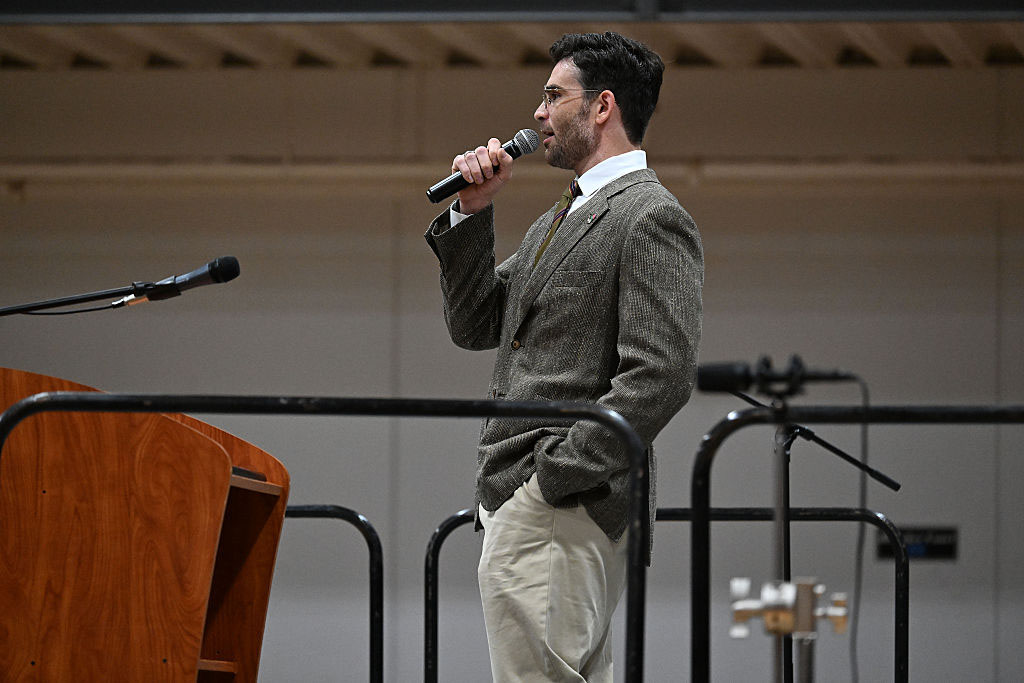
“When the Torah tells us that ‘the poor will never cease from the land,’ we are not to read those words as an excuse for neglect,” said Rabbi Jack Moline, director of public policy for the Rabbinical Assembly at a prayer rally in Lafayette Park in Washington on Sunday. “Throughout the history of the Jews, whether in their own land or on distant shores, the commandment to lift our neighbors from a life of want to a place of security has animated our engagement with government and community.”
The super committee, created several months ago during congressional debate on the debt ceiling, has until Nov. 23 to propose a package to cut $1.2 trillion from the federal deficit.
B’nai B’rith International on Monday called on the committee to work to meet the deadline, before “deep, automatic spending cuts kick in that could put our nation’s most vulnerable at greater risk.”
“B’nai B’rith urges committee members and the entire Congress to work aggressively in the coming days to find solutions that are good for the country’s long-term economic outlook, and good for all Americans,” read the statement .
“Deficit reduction can and should be done without breaking the promises of Medicare and Social Security, or shaving more from already thin budgets for programs like low-income housing and other services for the elderly.”
The statement recommended modest tax increases on the wealthy, saying that cutting benefits to the elderly and poor shifts costs to states, individuals and families.