It was not your typical wedding invitation — a Monday morning phone call inquiring if my husband and I would be available that afternoon when our friends Michael and Bob were hoping to marry at San Francisco’s City Hall. They decided to marry years ago, but instead of throwing an expensive party they bought a house together and put off the ceremony for some other time. Then suddenly, rebelliously, there were weddings being performed in San Francisco. A judge was considered likely to halt the ceremonies in a matter of days, and our friends decided they were ready.
We hurried home to shower and dress for a wedding. We scrambled for a babysitter, but then decided we wanted to bring our daughter along. Michael and Bob had celebrated so many milestones in her very young life, and since something sacred was going to happen to them, too, we wanted her to be a part of it.
As we raced into the city, worried we would miss the ceremony, I remembered how graciously Michael and Bob had waited with my husband and me in the hours before our wedding. They made friends with our friends. They remembered our siblings’ names, chatted with our parents. They kept us smiling and held our hands during countless rounds of photographs. And once it was over they hoisted us high in our chairs during the celebratory hora. The only openly gay couple in attendance, they bravely shared a slow dance together among the other members of the wedding party.
The scene outside City Hall was jubilant. A mariachi band was playing. There were dancers in top hats. Strangers handed each other wedding cake and offered to snap pictures for each new set of newlyweds as they emerged from the ornate building. A woman was throwing rice at newly married couples, and when she ran out of rice she bent down and picked individual grains off the sidewalk and threw them again. It was raining. All of the couples drew cheers of congratulations as they walked out of the building, but the prettiest lesbians got the loudest cheers. Some things are changing, but some things never change.
Inside City Hall, the mood was more serious. Michael and Bob had been standing in line for hours already by the time we reached them. Our friends were dressed beautifully in their best suits, and they were appropriately nervous. When we joined up with them — waiting in yet another line to receive their marriage license — Michael was talking on a cell phone with his mother in New York. His sister, who lives in San Francisco, was the only relative able to make it in time.
As I watched our friends pin pale purple orchids to each other’s lapels, sadness and outrage mingled with the happy excitement I had been feeling all afternoon. This was a bold, historic time in San Francisco and hundreds of city employees and volunteers were working themselves weary to make it happen. I was overjoyed that our friends — and the 819 other couples who wed that day — would finally have the opportunity to make official their private commitments to each other. There was reason for celebration, but we all knew they and their families deserved better.
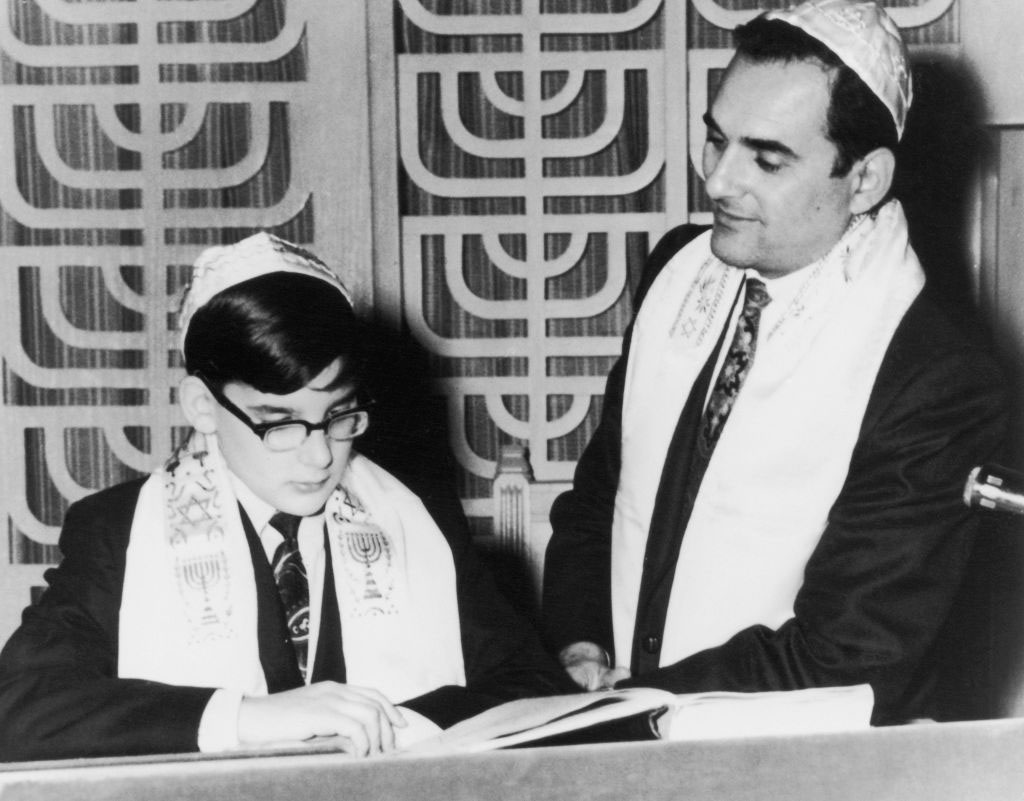
Michael and Bob are lawyers, scholars and good, law-abiding citizens who pay their taxes, love their families and mow their lawn. After Sept. 11, when San Francisco was swirling with apologists for terror, they hung an American flag in the window of their home. Michael is Jewish and Bob is not. Neither has a particular appetite for subterfuge.
It is a scary, generous act to bind your future to another’s — not the sort of thing one should have to engage in acts of civil disobedience to achieve.
On their wedding day, Michael and Bob deserved to be surrounded by their families and friends. They deserved time to plan the details exactly how they wanted them, to shop for rings and select meaningful cultural or religious rituals to include in their ceremony. They deserved the chance to pose for pictures over and over and over again until everyone was satisfied, and to be hoisted high up on their chairs in celebration when it was over.
Suddenly it was their turn to be married. We were hurried to the bustling, elegant rotunda of City Hall and a tired but enthusiastic woman who wore a green shirt and clutched a clipboard pronounced Michael and Bob “spouses for life.”
They had chosen the spot on the grand marble staircase where they uttered their vows. They had chosen each other. And in the dizzying, echoing chaos of San Francisco that Presidents’ Day, they had chosen to look beyond the shortcomings of their society and embrace one of its most sacred institutions. Our video camera was rolling.
Maybe it wasn’t all that they deserved, but at the same time it seemed like a lot.
Karen Alexander is a journalist in Northern California.