











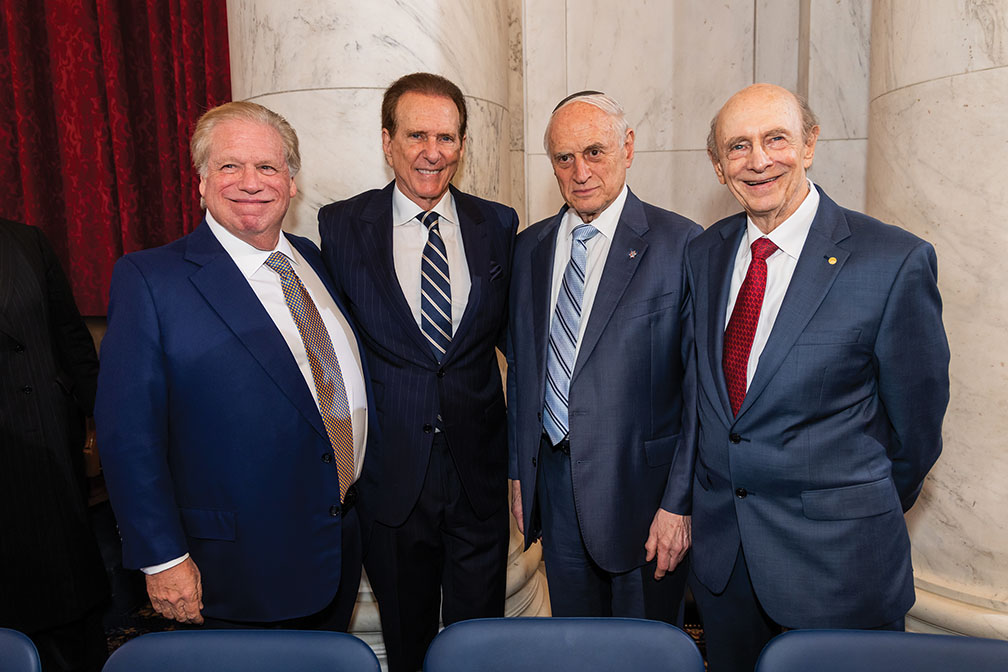
The occasion was Project Legacy’s annual Jewish American Heritage Month luncheon, an event that civic engagement leader Ezra Friedlander has, over the years, turned into one of May’s most substantive gatherings in Washington

From someone who once needed help finding a job, food and support, Lawrence became the person providing it — offering connections, employment assistance, food gift cards and a 24/7 support line for those in need.
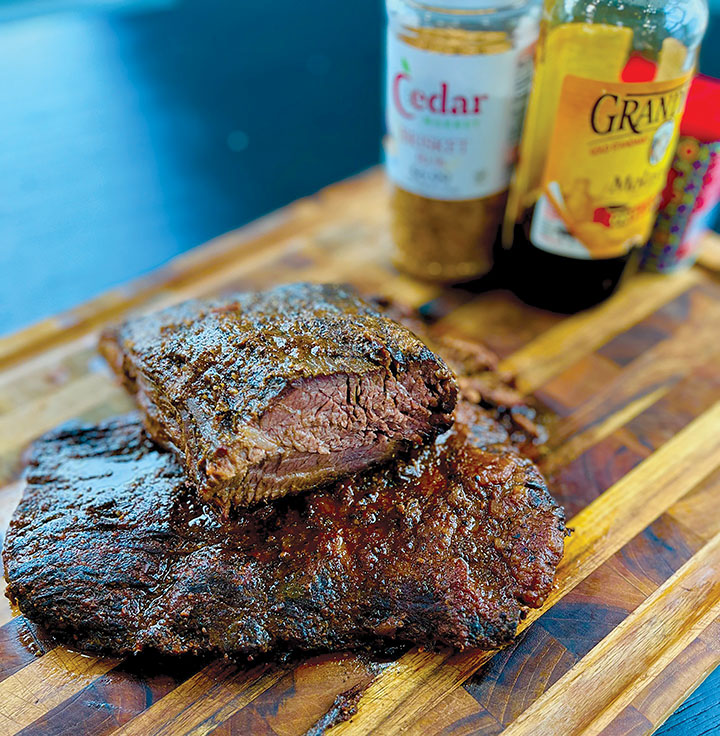
This week we share our column with one of our favorite Instagram bloggers, New Yorker Jeff Mosczyc (pronounced Mah-zik). As the son of a German immigrant father and a first-generation Hungarian mother, his mouthwatering, meat-centric recipes reflect his Ashkenazi background.
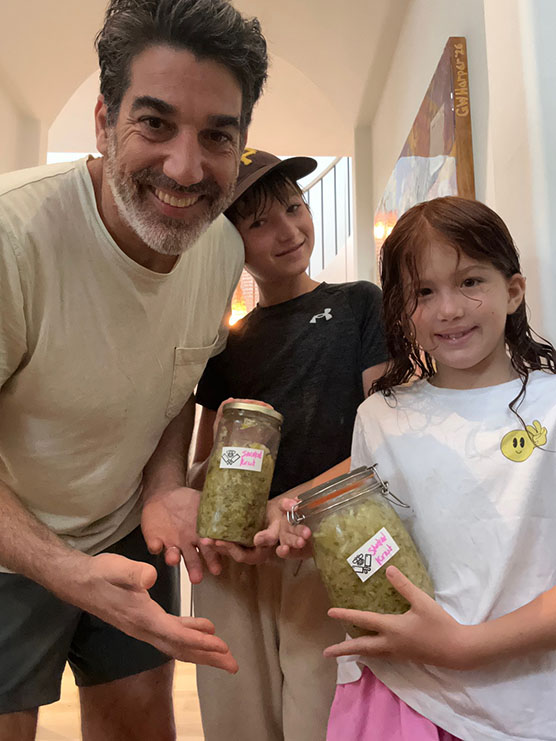
This year’s Father’s Day round-up features recipes from different ends of the Jewish spectrum: dill pickle kraut and a Moroccan tomato dip.
Challenging Moses
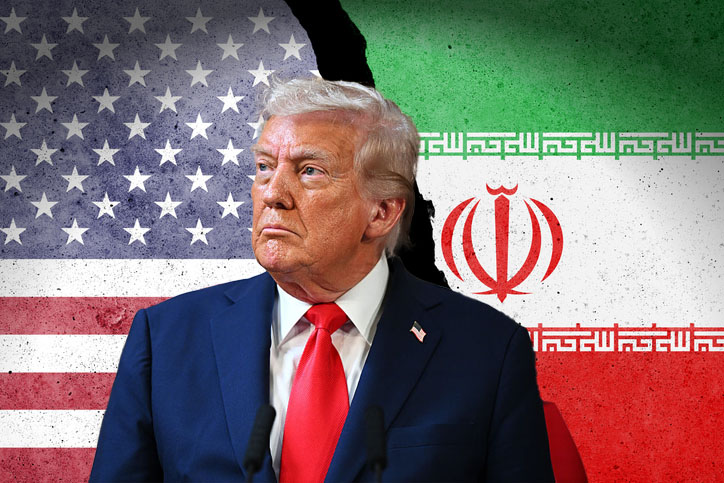
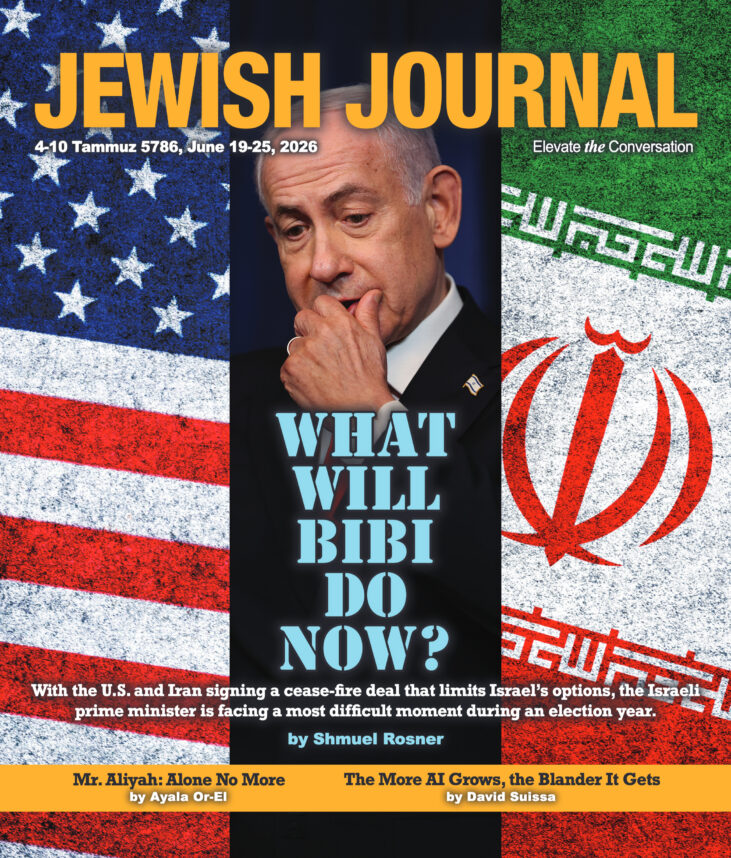
Trump may have the bluster, but the mullahs know they hold the cards.

With the U.S. and Iran signing a ceasefire deal that limits Israel’s options, the Israeli prime minister is facing a most difficult moment during an election year.
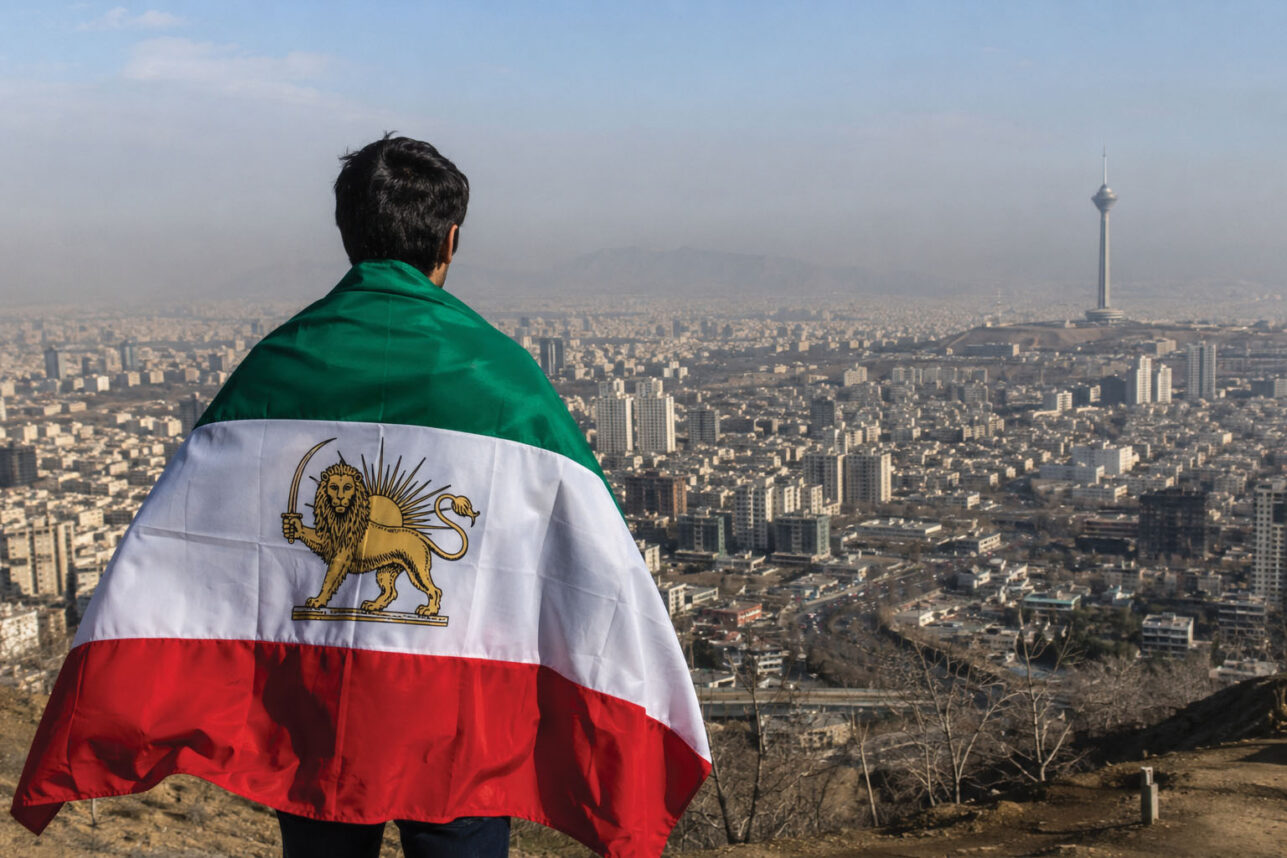
As details emerge about a signed agreement between the United States and Iran, there still may be room to protect the Persian people from Tehran’s despots, the Lebanese from Hezbollah, Yemenis from the Houthis and Gazans from Hamas.

In “The Goddess of Warsaw,” our hero is Lena Browning, an aging Hollywood starlet who has similar credentials to Marilyn Monroe, Joan Crawford and Jane Mansfield.
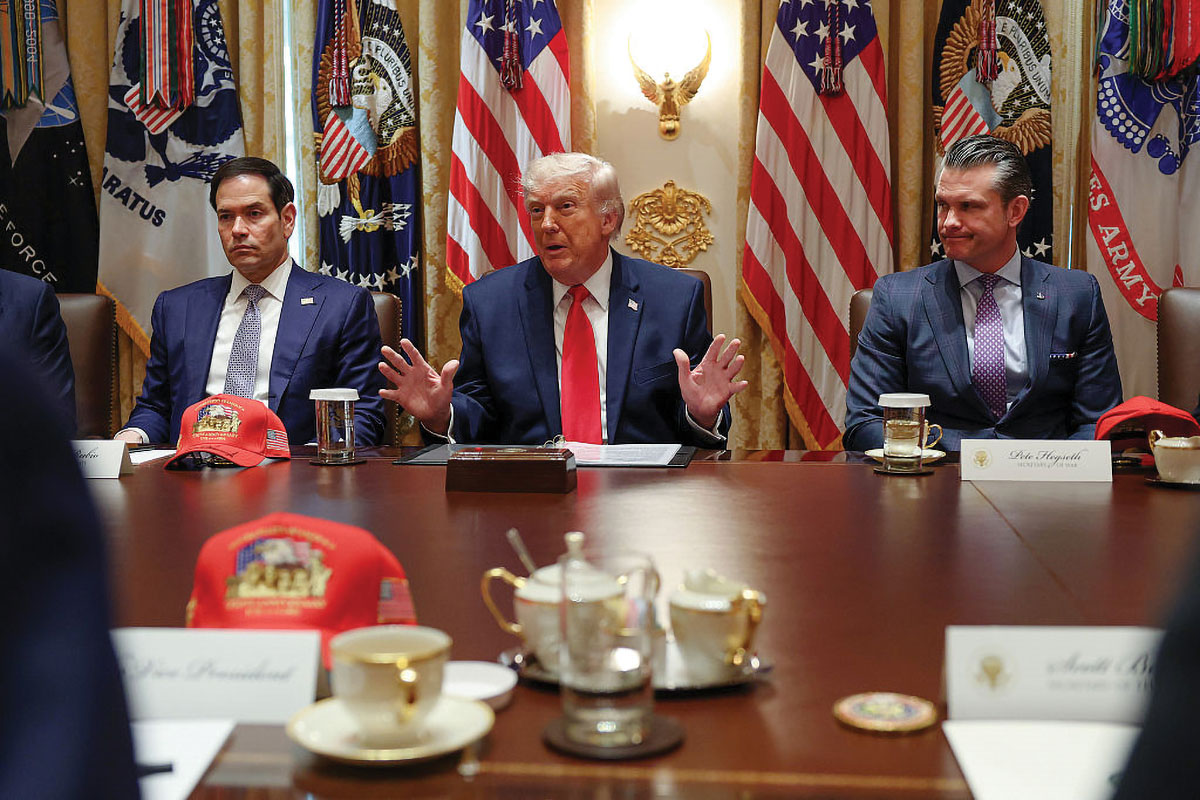
It all depends on one mercurial and imperfect man in the White House. But whether he succeeds or fails, he is leading a free world, much of which no longer understands what it needs to do to survive.
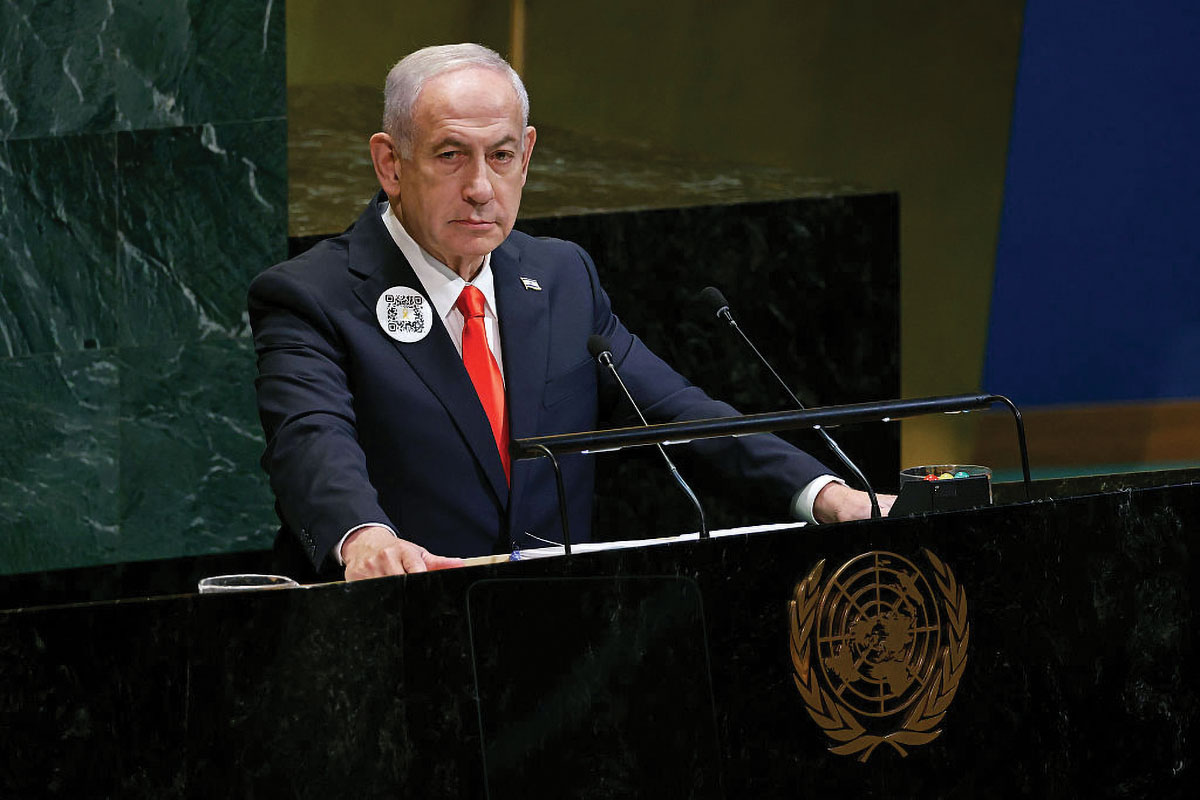
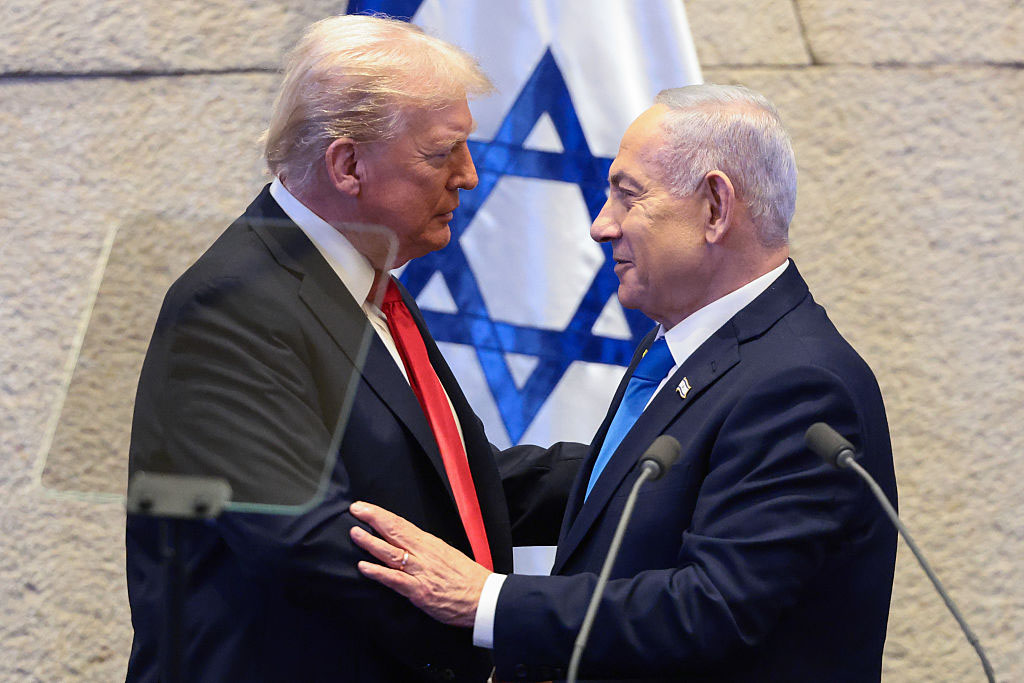
Now Israel watches as its closest friend prepares to hand billions of dollars to the Islamic Revolutionary Guard Corps. It sees the nuclear issue endlessly discussed but still unresolved, and Lebanon left hanging in uncertainty.
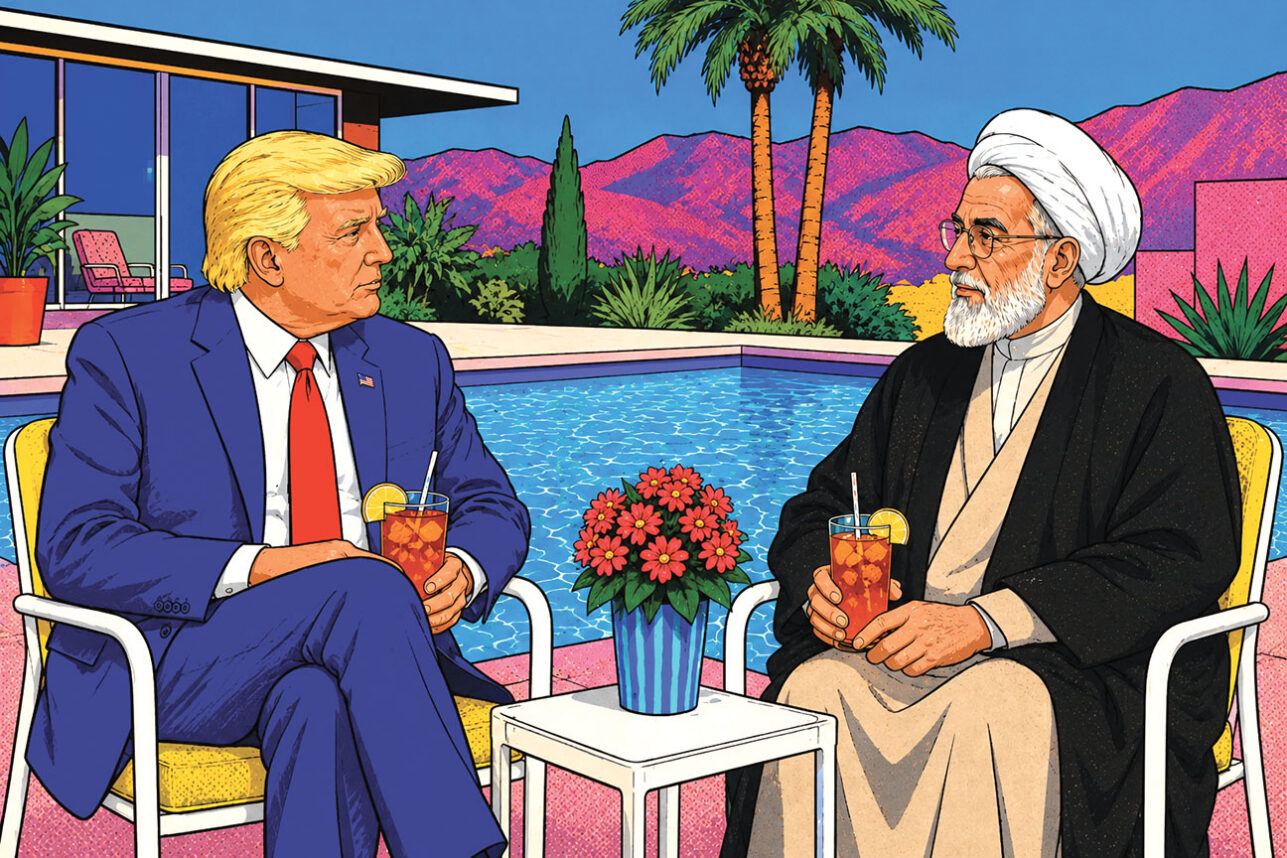
Ultimately, although he presented himself as a disruptor, Trump remains captive to the conceptual frameworks, values and norms of Western societies, which place them at a disadvantage in the current clash of civilizations.
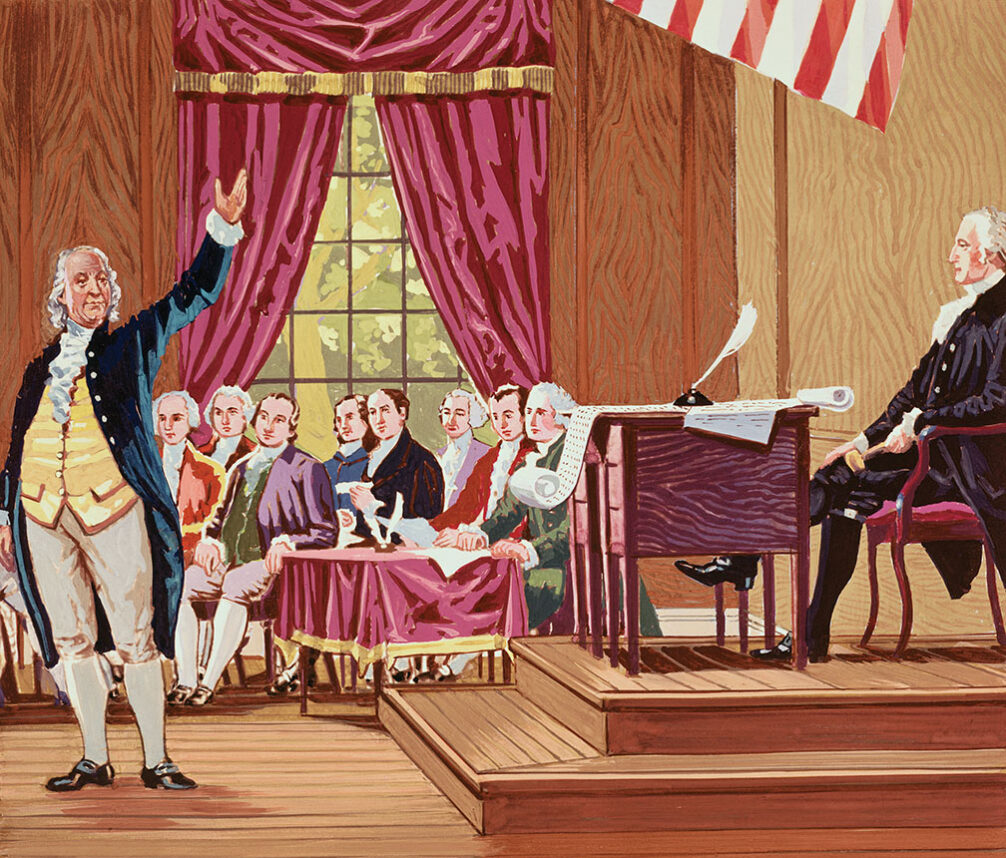
Just as Moses and Aaron had proven their God-approved mettle, “the new federal constitution,” which, in Franklin’s view, had “been unreasonably and vehemently opposed,” would ultimately prevail by God’s grace.

In handing Tehran the keys to lock up the region without a fight, Trump would become the first American president to sign away his country’s right to ply international waters freely.
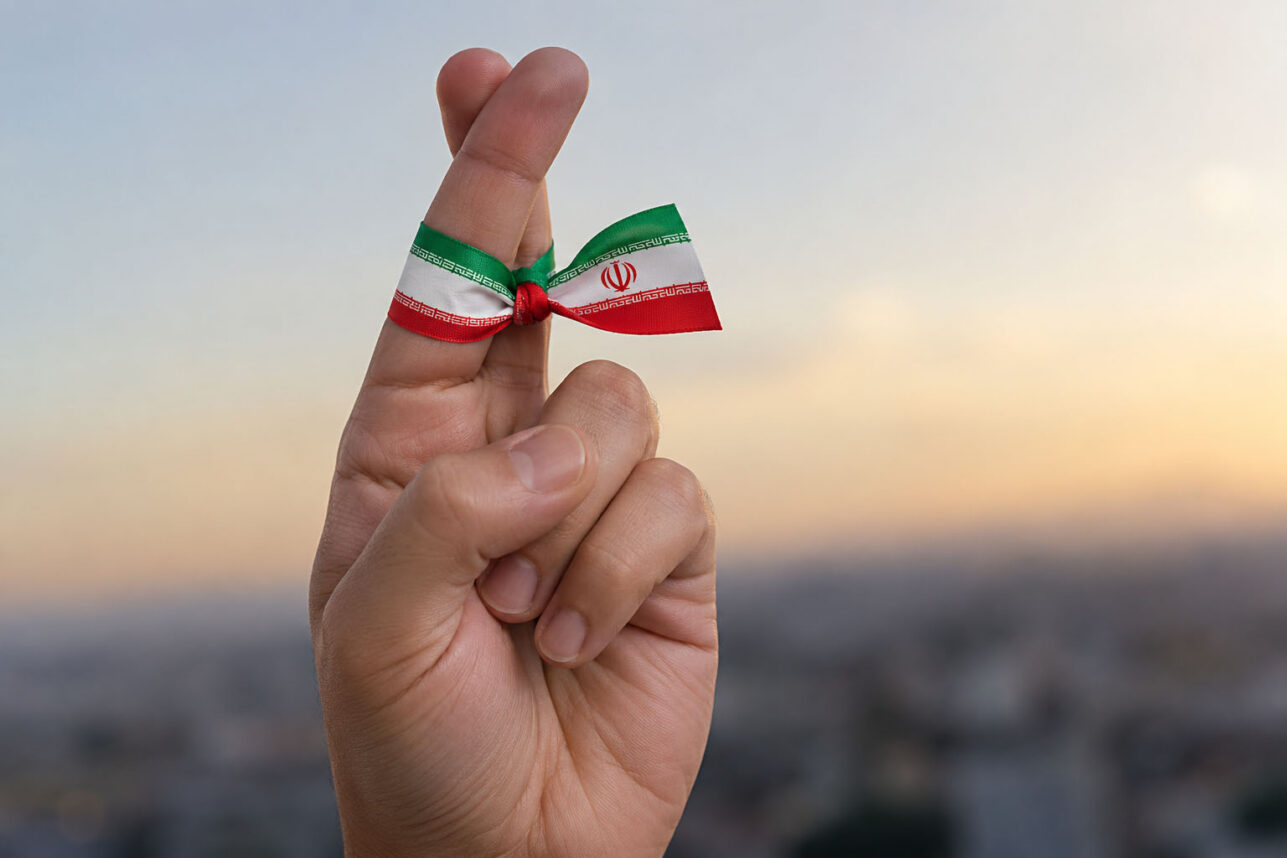
The “deal,” as far as is known right now, is simply a 60-day extension of the ceasefire. The can will be kicked down the road.
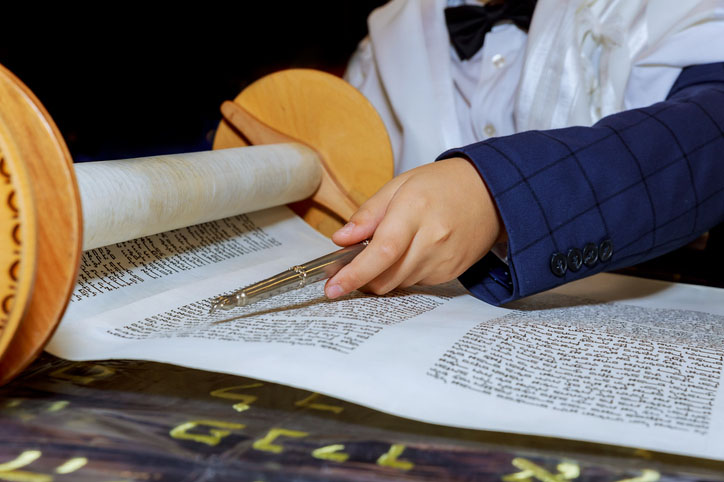
During these days when it is so easy to succumb to despair, religious services can serve as a wonderful antidote to hopelessness. Especially this one.

Sometimes the soul arrives before the explanation does. And sometimes, just before dawn, the world becomes quiet enough for us to notice the first light.
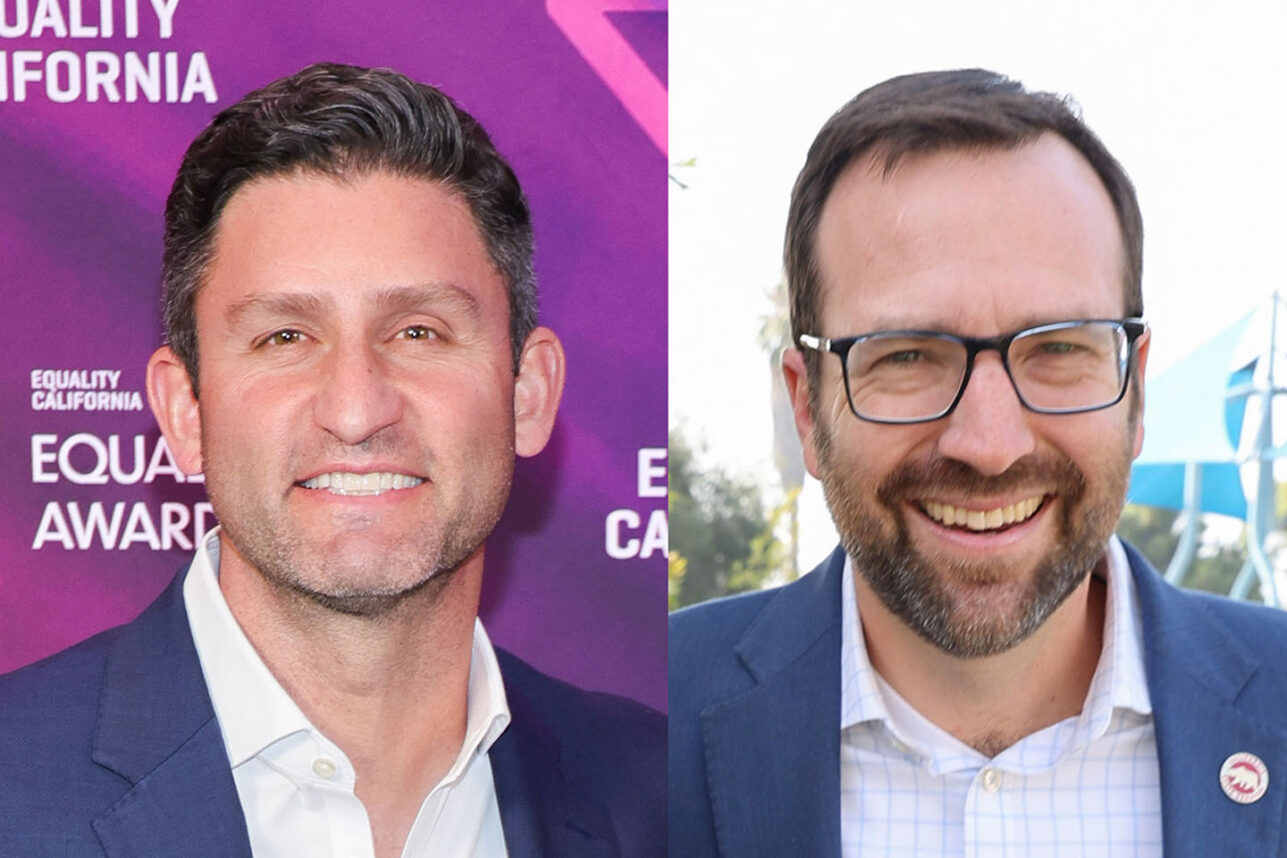
One of the best-kept secrets in California politics is the effectiveness and growing influence of the Legislative Jewish Caucus.

Despite the anti-Israel, anti-Zionist sentiment poisoning so many institutions and people, Herbert Block, executive director of the American Zionist Movement, is optimistic about the Jewish community’s response it.