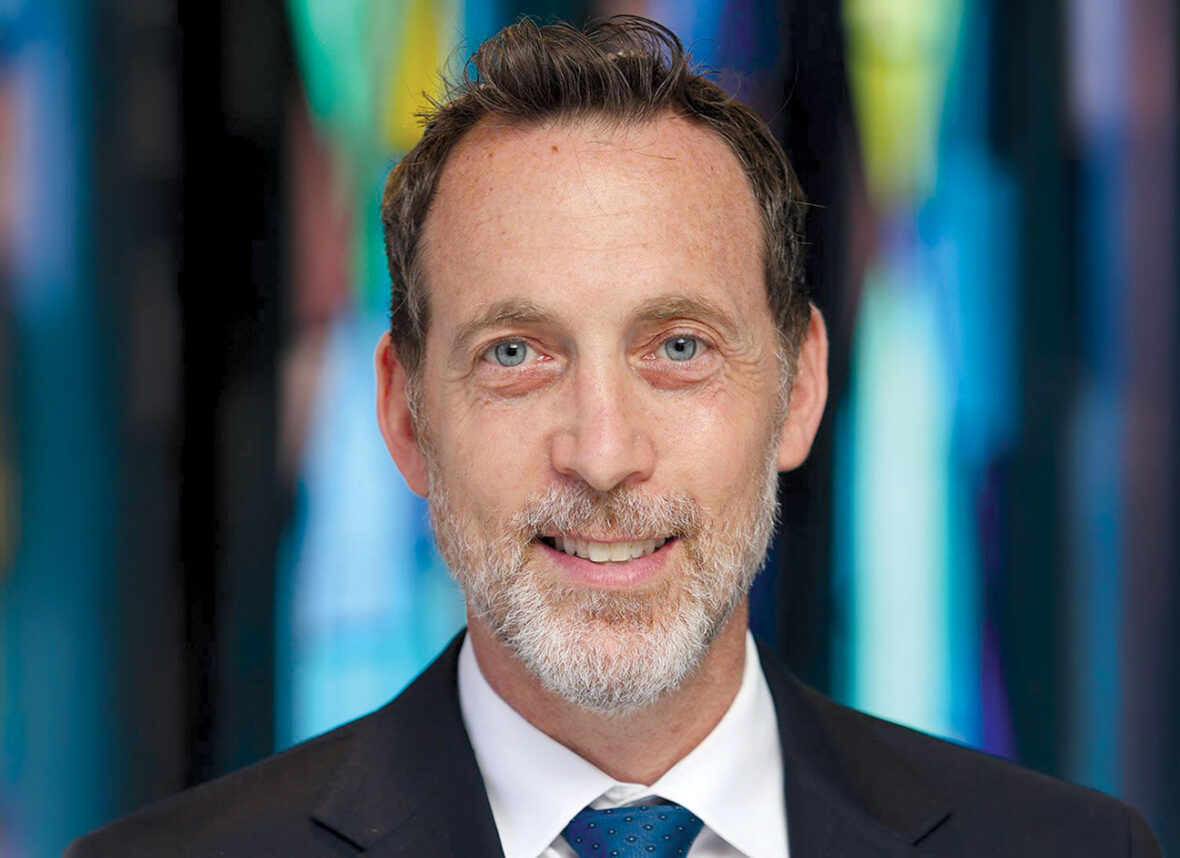
For much of his life, Rabbi Elijah Schochet disliked the idiom “God willing,” an expression used by people trying to convey that their lives are subject to God’s discretion.
After Schochet was diagnosed with cancer and underwent a series of treatments at Cedars-Sinai Medical Center, his thinking about “God willing” changed. He began to use the phrase much more, he said, after struggling against a disease that humbled him.
“Humility is a quality that Judaism emphasizes to an extraordinary degree,” said Schochet, a professor of Talmud at the Academy of Jewish Religion, California (AJRCA), speaking during the panel discussion “Humility and Humiliation,” at AJRCA on Nov. 26.
Organized by ARJCA, a transdenominational and pluralistic rabbinic school in Los Angeles, the discussion featured renowned scholars from each of the Abrahamic traditions speaking on the importance of humility and of avoiding humiliation in their respective religions.
Joining Schochet were Kathleen Greider, professor of practical theology, spiritual care and counseling at the Claremont School of Theology, and Ozgur Koca, an adjunct professor at Bayan Claremont, an Islamic graduate school of Claremont Lincoln University.
Tamar Frankiel, provost at AJRCA, moderated.
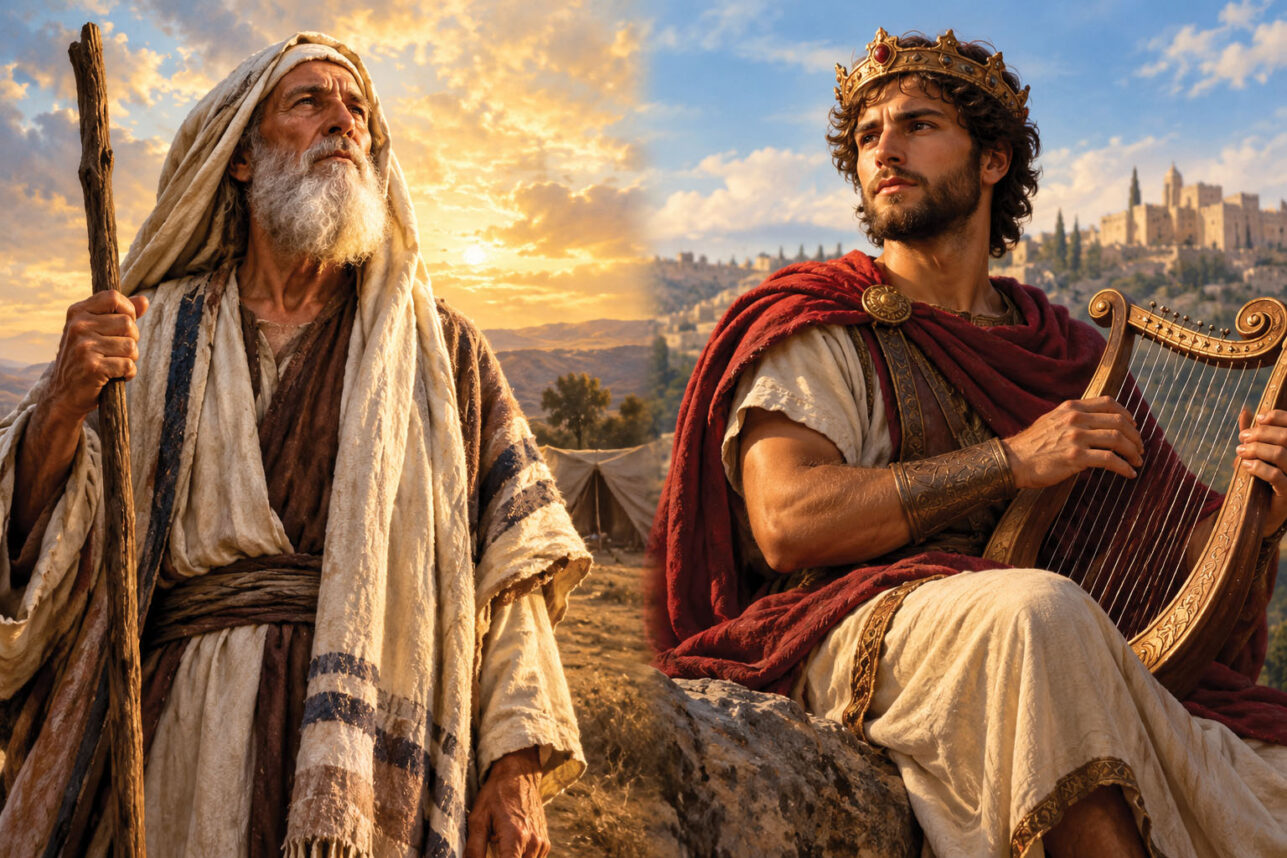
During the 90-minute event, the scholars pointed out how each of their leaders –— Moses, Jesus and Muhammad — was known for humility. They also addressed the need for repentance when their religions hurt others through humiliating acts.
Schochet spoke of Moses as Judaism’s “reluctant prophet,” who exemplified humility. He also discussed how words and insults can be used to humiliate and how it’s easy to overlook instances of humiliation, citing a passage in the Talmud that says if one asks an employee of a store about a product he or she has no intention of buying, that person is guilty of humiliating the employee.
Greider emphasized humility as a foundational virtue in Christianity, but acknowledged instances of Christian involvement in humiliation, such as Christians’ participation in acts of genocide and instances of imperialistic Evangelism and abuse within the Christian community.
Meanwhile, Koca spoke of the belief within Islam that “everything good in our life is coming from that source” that is God.
The event kicked off AJRCA’s “Voices of Wisdom” speaker series. The series’ next installment takes place on Jan. 24. The Claremont School of Theology and Bayan Claremont co-sponsored. To view the Nov. 26 discussion in its entirety, visit ClaremontLincoln.org.