Rav Yosef, my good friend and a rabbi I respect deeply, misunderstands my motivation in holding off on a prayer for Egypt. I certainly am frustrated with the Obama administration’s handling of the Middle East. However, my main point is that we need to stop pandering and patronizing the Arabs and Muslims throughout the world, and actually show some respect to them. They can face the challenges of their past just as well as Jews and Christians can: the anti-Semitic elements of their religion, which need to be re-understood just as Judaism and Christianity evolved in their understanding of the “other”; the discriminatory treatment of the Jews in Arab and Muslim lands throughout history; the abominable attitude of the Arab leadership, trade unions and professional organizations toward the State of Israel – even in Jordan and Egypt; the leaders and mobs who pressured Great Britain not to allow Jews to enter Palestine when faced with murder and destruction in Europe – and even after the Holocaust before the rise of the State of Israel. I respect the Arabs and Muslims, and I think they are capable of rising to the challenge of becoming an enlightened people, a part of the developed world. Yes, they need democracy, and that means a different attitude towards women – we in the West need to work on that as well – and toward homosexuals and other “others” in their midst. Yes, I think the Palestinians can advance to the point where selling land to a Jew is not a capital offense, nor is a gay person forced to hide their identity.
People from developed countries throughout the world come to Israel to learn agriculture, science and to share in Israel’s rich culture. I do expect Arabs to learn from Israel as well. It is their loss, their sad loss, and certainly the Palestinians loss, that they have spent nearly 63 years fighting Israel instead of teaming up with Israel. The protesters in Tienanmen Square erected a model of the Statue of Liberty; they understood that America stands for freedom and liberty. In Egypt, protesters put Jewish stars on Mubarak to show how much they hated him – how sad that they did not understand that Israel represents their ticket to freedom, democracy and a thriving, open economy, rather than the evil they need to eternally fight.
No, I am not angry, I am waiting: I am waiting for the Egyptians to rise to the challenge and to be the human beings they can be. The prophets understood that they can be a great people. But unless we challenge them to pursue truth, not just populism, and unless we ourselves admit to that truth, we are not respecting them and treating them as our equals. They are God’s children just like we in the West are God’s children, and I have every expectation that I place on myself and my own religion.
I pray that we stop pandering and patronizing and start respecting our Arab and Muslims brothers in a way that allows them to enter a new era of truth and good. When that happens, I will be the first to say a Shehechiyanu. Until then, I pray for us to be strong, and never to compromise or ask others to compromise the values that have given us our freedom and our liberty.
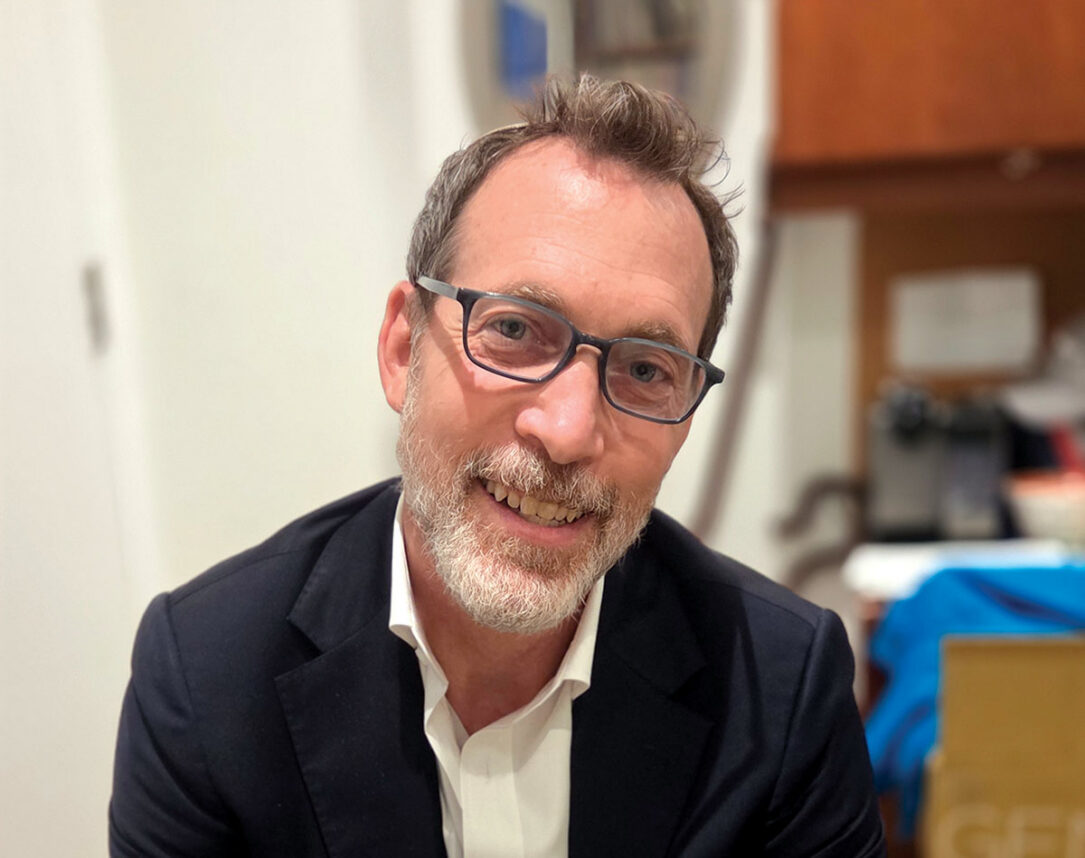
Rabbi Asher Lopatin