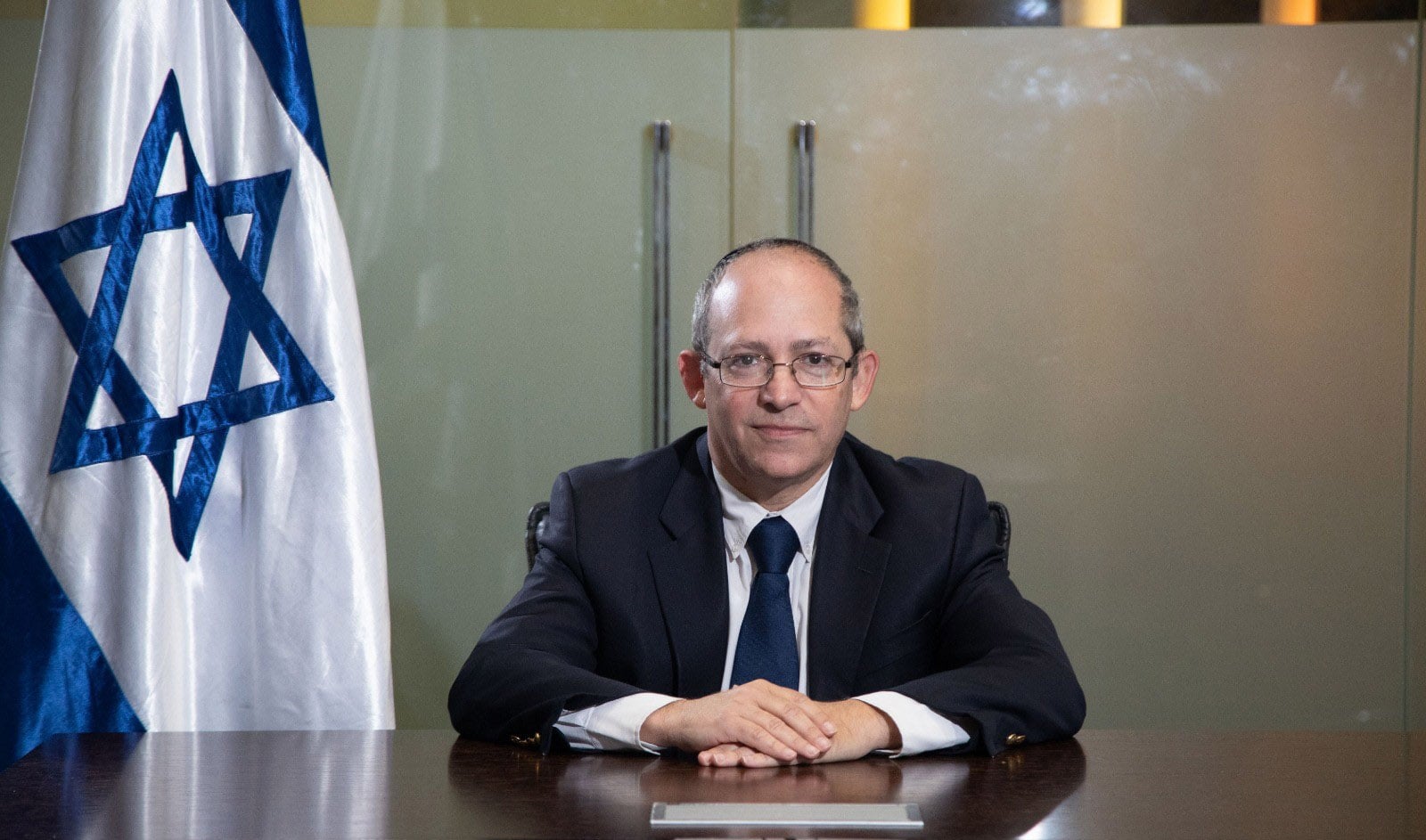
In the not so olden days, when American Jews and Israelis sat down together, the first topic was What Can the United States and its Jewish community do for a struggling Israel?
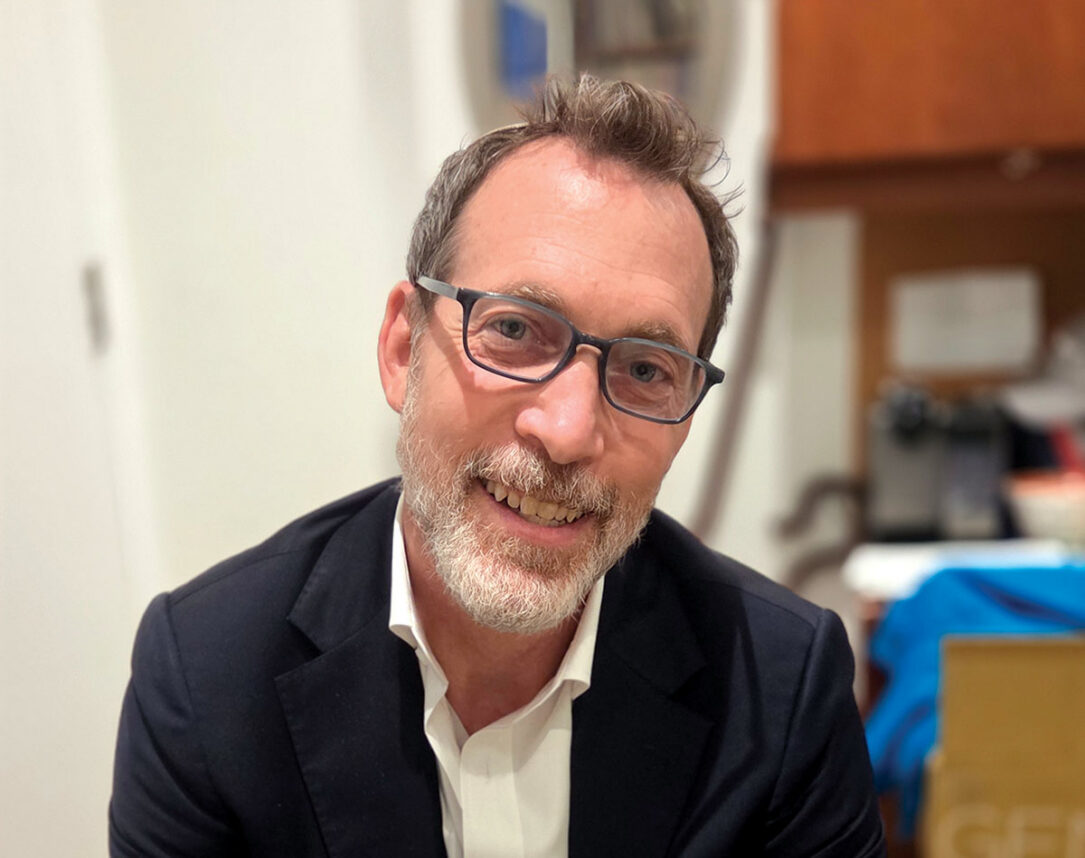
Times have changed and when the Journal recently interviewed Consul General Hilel Newman, Israel’s top diplomat in Los Angeles and the southwestern states, he spoke at length on what Israel could do for America, and particularly the Jewish population.
“I am concerned about the threat of assimilation by American Jews and about the high cost of a Jewish education in this country,” Newman said.
His concerns are fueled by what he perceives as “a loss of feeling by many American Jews how important it is to remain Jewish –- you can not take it for granted that the Jewish community here will survive.”
Newman, his wife and his son Ram, now 11, arrived here in August 2019, and by the spring of 2020 his normal routine of meeting face-to-face with community leaders, government officials and the public fell victim to the arrival and spread of the coronavirus.
We had to cancel all such meetings, he said regretfully, but that did not stop a number of joint projects with L.A.’s diverse ethnic groups.
Among the outreach initiatives were the distribution of computers and headphones at predominantly Africa American and Latino schools, as well as distributing food packages to Holocaust survivors and at some churches.
Oddly, the consulate staff is busier than ever, since the coronavirus outbreak Israeli law requires that every person visiting the Jewish state from abroad must be first vetted thoroughly by the Israeli consulates nearest their residences.
“That’s the bulk of our work now,” Newman said.
The changed environment has also affected son Ram. “What with mandatory social distancing, it makes it hard for him to make new friends,” his father said.
The Journal asked Newman what misconceptions about Israel he had encountered among Americans and, in reverse, what stereotypes Israelis held about Americans.
He responded that “most Americans think of Israel as a monolithic nation, they don’t realize how diverse – and tolerant of different views – Israelis are,” he responded.
“Few are aware that, in politics, the Arab party is the third largest in the Knesset,” he added. “Within the Jewish population, we are a blend of Russians and Ethiopians, North Africans and East Europeans.”
From the reverse view, he noted that few Israelis realize how much American society has changed in the last few decades from the stereotypes of past decades –- not all streets are paved with gold and few pedestrians are gunned down on the streets by gangster machine guns.
Like most previous consul generals, aware of the global influence of Hollywood, Newman has cultivated influential actors and producers, who now include a fair number of Israelis.
He has pitched the economic advantages of filming in Israel—as well as the fact that the state is the world leader in vaccinating its population against Covid-19.
He has pitched the economic advantages of filming in Israel—as well as the fact that the state is the world leader in vaccinating its population against Covid-19.
With the Middle East and Israel almost always in the news, Newman regularly fields questions from the media and tries to explain that such confrontations “are not an every day part of Israeli life.”
American friends of Israel, both Democrats and Republicans, have lately expressed concern that American policy toward Israel, long bipartisan, was being dragged into the political arena. However, Newman remains sanguine.
“President Biden has been a friend of Israel for four decades and I believe that the majority of Americans back a bipartisan policy,” Newman observed. “It is only the fringe elements in both parties that support a boycott of Israel,” he added, while a few express their anti-Semitism through anti-Zionism.
Like his two predecessors in Los Angeles Newman is – in Israeli parlance – an “Anglo-Saxon,” having been born in South Africa with English as his first language.
He has been an Israeli diplomat for the past 21 years and, like most of his colleagues, is a man of diverse interests and accomplishments. He earned a Ph.D. in Jewish history and Judaic Studies from Israel’s Bar-Ilan University and among his more exotic accomplishments is his mastery of ancient Greek to allow him to research the history of Israel during the Hellenistic and Roman periods.
In the mid-1980s, he served as a medic in the Israel Defense Forces during the warfare in Lebanon.