
A word can link worlds, as the name of our portion, Ekev, does this week.
V’haya ekev tishm’un – “And if you listen/hear/heed/obey these statutes, observe and do them” (Deuteronomy 7:12) then you will enjoy bounty, security and progeny.
The word ekev here is translated “if,” and it appears instead of the more common Hebrew word im. The word ekev also appears in the stories of the Binding of Isaac (Genesis 22:18) and in the times of famine when our forebears were forced to leave the land of Israel (Genesis 26:1).
Why? What is the significance of this little word?
Ekev has the same Hebrew three-letter root that is in Jacob’s name Yaakov. As Jacob was being born he held the “heel” (an alternative meaning of ekev) of his brother Esau.
Rashi says that ekev in our verse refers to “light mitzvot” that a person “tramples with his heels.” Rabbi Robert Rhodes has written that “The promise of divine bounty depends on how we use the underside of the foot and what we crush underneath. God is listening to the noise our feet make as they step on the little things that seem unimportant but are the real stuff of life – commandments that appear to be of little value and principles of ethics [that] people [commonly] violate.”
Rabbi Michael Curasik noted this very week on his on-line “Torah Talk” that the heel (ekev) relates to “turning” because the heel turns 90 degrees from the leg, pointing us towards t’shuvah (“turn”, “return”), the Jewish pre-occupation during the High Holiday season that is fast approaching.
Also, in this first verse of our Parashat Ekev appears another key word – tishm’un (meaning, “listen/hear/heed/or obey”).
What is the significance of ekev and tishm’un appearing together?
Of all the five senses, the closest one to revelation is hearing. The people heard God’s voice at Mount Sinai (Exodus 19:16, 18-19). Elijah heard the kol d’mamah dakah (“the still small voice” – 1 K 19:12) on Mount Carmel. We are commanded to “hear” (tishm’un) the statutes (Deuteronomy 7:12).
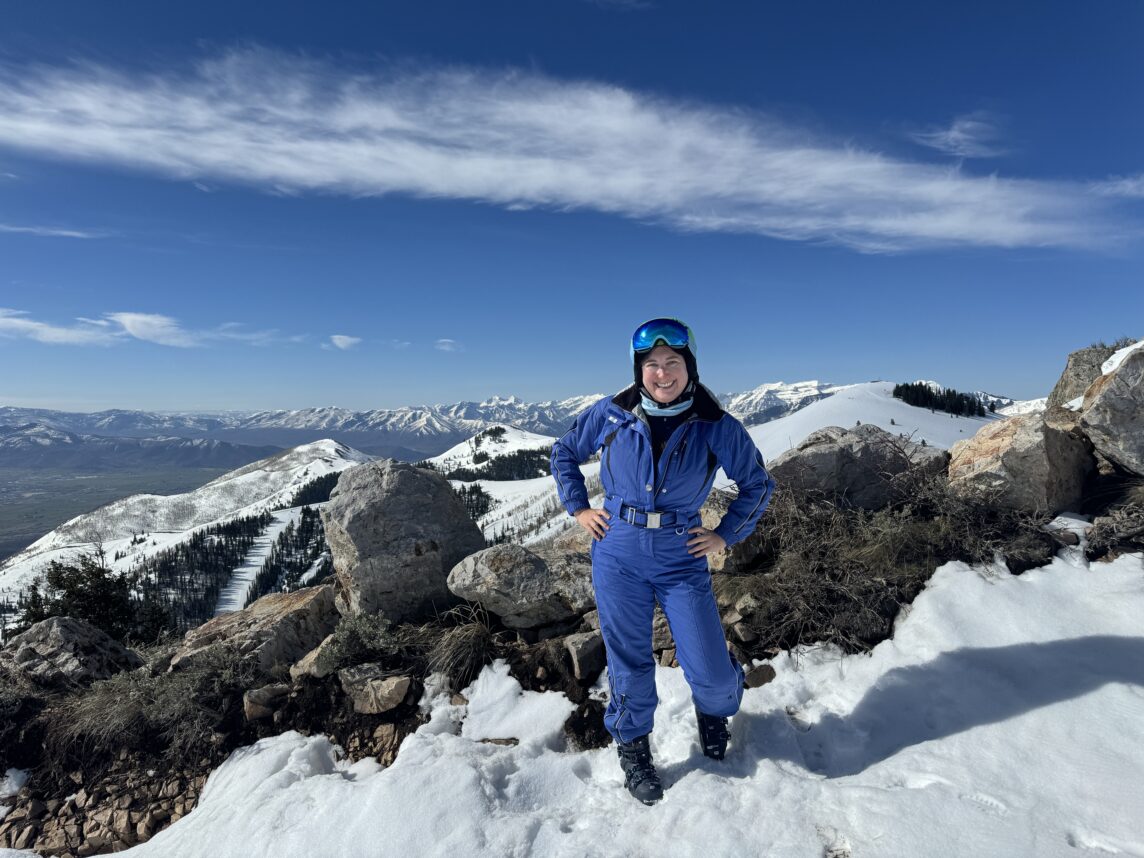
My wife Barbara and I recently returned from 5 days at Lake Tahoe. Each day we took long walks along mountain paths and through forests. It was at times so very quiet and serene, and through this quiet we heard so very clearly the singing birds, scampering chipmunks, rustling wind, running streams, and buzzing hornets. We felt physically alive and spiritually high, an easy melding of body and soul, blending the magnificent environment with the inspiring metaphysical world.
Rebbe Nachman of Bratslav emphasized the principle of hak’balah (i.e. “parallelism” or “correspondence.” See Anatomy of the Soul, translator Chaim Kramer, publ. Breslov, p. 15); “as above, so below; as below, so above.” In truth all is one – echad! There is no distinction between body and soul.
Making pilgrimage and listening are keys to religious quest. The prophet heard the call and walked in God’s ways. Mystics wandered through forests and intuited the longings of plants and brush, of trees and flowers, mountains and rocks all reaching out towards their heavenly source.
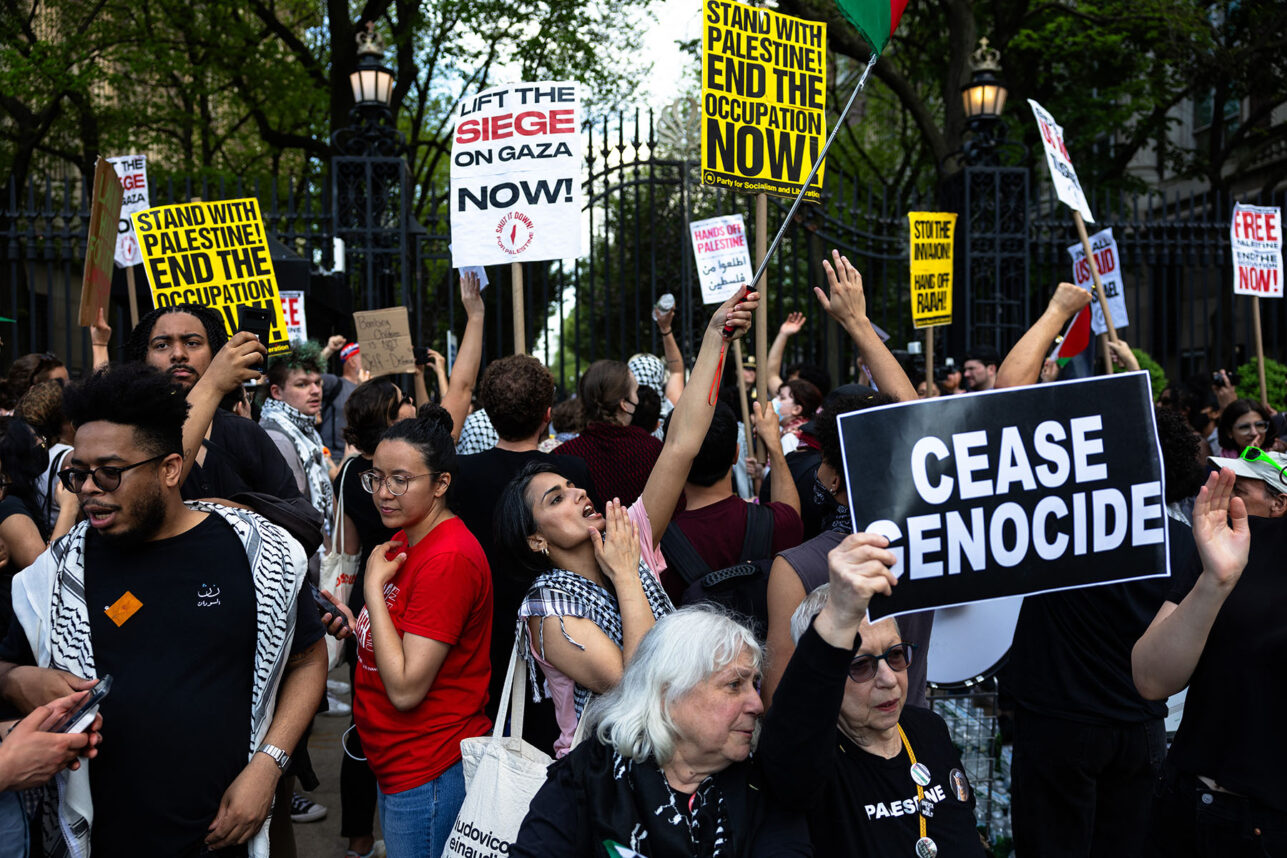
Not only in such serene settings is spiritual/physical oneness possible. Rabbi Heschel famously prayed with his feet when he marched with Dr. King from Selma to Montgomery. Many of us too have marched for peace and to raise awareness of HIV/AIDS, breast and uterine cancers, and genocide in Rwanda, Darfur, Sudan, and the Congo.
Communion with God happens in many ways, here, in the mountains and in the city streets.
The month of Elul commences in 8 days on Saturday evening, August 18. At that time, ekev, we Jews are called to begin our turning and returning to our true selves, to family and community, to tradition, Torah, faith and God, all for the purpose of infusing holiness into our lives and the world, that we might become, one and all, Godly Jews.
That is the Jewish business! Nothing more and nothing less.
Let our feet walk and let us listen.
Shabbat shalom.










 More news and opinions than at a Shabbat dinner, right in your inbox.