Last week’s Torah portion ended with a dramatic cliffhanger. A plague was in progress, punishing the Israelites for worshipping the false gods. Despite earlier prohibitions and the snare of idolatry, an Israelite man openly brought a Midianite woman into the camp. (Commentators infer that the two had sex.) While others wept, Pinchas pierced the couple with a spear, and the plague was suddenly halted. Pinchas risked both his life and the priesthood. The families could have sought revenge, and priests who kill are normally ineligible for service.
This week’s portion delivers the surprising conclusion: "Pinchas, son of Elazar, son of Aaron the priest, has turned My wrath from the Israelites in his zealousness with My jealousy in their midst, so that I did not wipe out the Israelites in My jealousy. Therefore say: ‘Behold, I give him My covenant of peace; it shall be for him and for his descendants after him an everlasting priesthood…’" (Numbers 25:10-13).
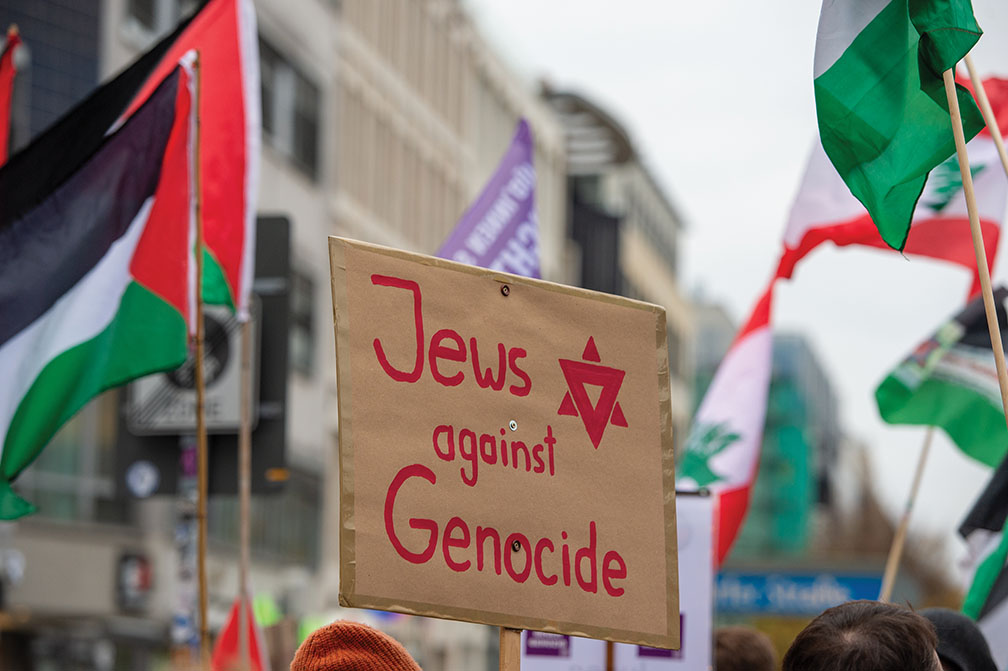
The story of Pinchas offers obvious parallels to current political divides. Is Pinchas a religious extremist — the sort who will kill others and himself (without negotiation or due process) for the sake of a cause he knows to be more valuable than human life? Or is Pinchas fighting another kind of extremism — the sort that says nothing is worth dying or killing for, and considers tolerance the ultimate value; the sort that can only stand by and cry in the face of evil?
Pinchas has both admirers and detractors among the commentators. Yet, even those who extol his zealousness distinguish between what Pinchas did and what we should do. According to tradition, Pinchas had a unique gift; he acted without self-interest; his soul and heritage were pure. It would be hubris to attribute to ourselves Pinchas’ capacity for spiritual insight or assign ourselves the right to use his methods. When rabbis enumerate the extraordinary qualities necessary for a zealot, the message is clear: Don’t try this at home.
Some commentators question not only how universal Pinchas’ example is, but how justified it is. The Kotzker Rebbe suggests that Pinchas was intended to succeed Moses as leader. Following this episode, however, Joshua was selected instead. A priest can be zealous for holiness, but the national leader must be kinder and more patient. As Rabbi Elie Munk wrote regarding Pinchas: "It is good to be a strict zealot for oneself, but for the public good one must be imbued with ahavat Yisrael [love for the Jewish people]."
Perhaps Pinchas is given the covenant of peace not so much as a reward, but as a corrective. "Pinchas, in your zealousness, you have undervalued peace. Let peace be the gift and marker of your eternal priesthood."
Years ago, my father, a wonderful and easygoing rabbi, gave a fire-and-brimstone sermon. Uncharacteristically, he shook his fist and raised his voice in disapproval over some vital issue that has, of course, been completely forgotten. The legacy of the story is not in the details of my father’s rightful claim, but in what Morris Mandlebaum said to him about it. Every synagogue, I hope, has a Morris Mandlebaum. Deep and sweet, he retired at age 65 to do mitzvot full time and lived another 30 years. Morris found my dad after services. With great love in his voice, he said: "Rabbi, don’t be angry at the Jews. They’re the only Jews you’ve got."
Our holy prophets preached noble and righteous indignation, but prophecy has ceased. Today, acts of reprisal, pride or self-promotion pose as righteous indignation. Occasionally, an angry or zealous outburst might be an unselfish and sincere response to evil. Mostly, however, outbursts are a form of idolatry. According to the ancient rabbis, rage is self-worship. The implied question behind most indignation is: "How dare they do that in front of/without/to me?"
The debate about Pinchas reminds us — however exceptional he was — of the human tendency to get caught up in our own egos. Therefore, it is a religious duty to be zealous and scrupulous about zealousness and scrupulousness themselves.
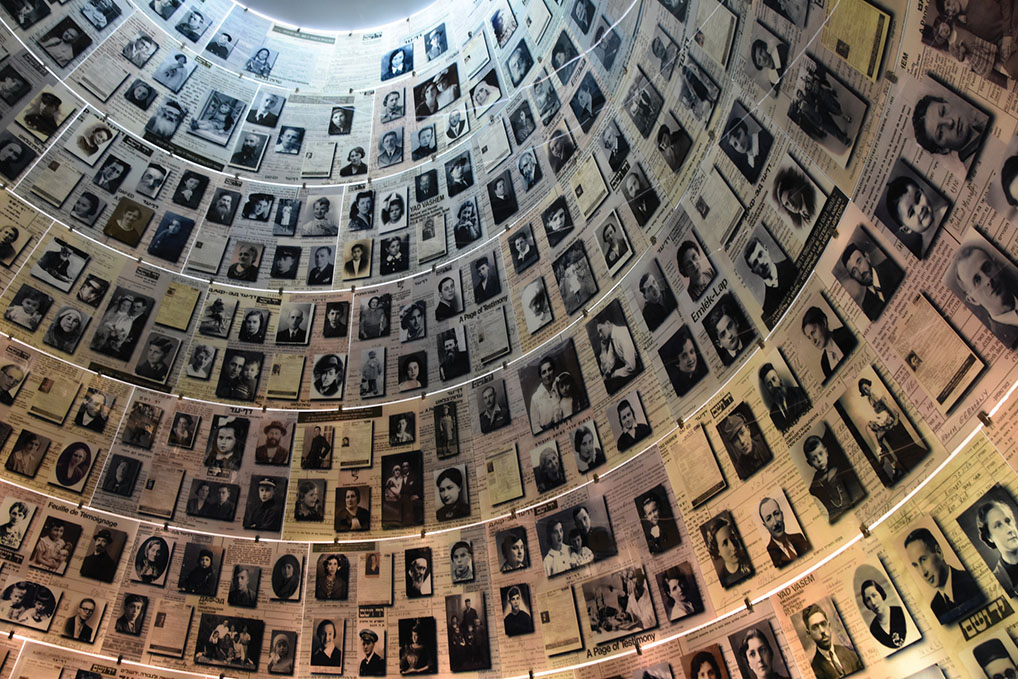
This biblical episode does not conclude with the blessings given to Pinchas, but with the names of the offenders: "The name of the Israelite who was killed …. was Zimri, son of Salu, leader of an ancestral house of Simon … the name of the Midianite woman … was Cozbi, daughter of Tzur, tribal head of an ancestral Midianite house" (Numbers 25:14-15). These are not anonymous, faceless sinners. They were human beings, created in the Divine image, with names and parents and tribes. If you have the courage to spear them, have the courage to acknowledge them, too. Because these are the folks you’ve got. Each is precious.