One of my favorite times of each week is when we bless our children during Shabbat dinner.
Each week, in the liminal moment between kiddush and motzi, between sanctifying the day and thanking God for the food we are about to enjoy, we stop, as many Jewish families do, and offer our children a blessing, a personal prayer directed solely at them, a tradition that stems from this week’s parsha, Vayechi.
If you don’t already do this each week, I strongly encourage it as a wonderful family moment. And if you don’t have children, bless your spouse, your friends, yourself. In our family, we say the prayer by Marcia Falk for our son and daughter, using the appropriate Hebrew grammar for each. The male version is: “Heye asher tiheeye, v’heye baruch ba’asher teheeye [Be who you are, and may you be blessed in all that you are].” After saying that for each child, we then say the traditional priestly blessing. I think that this form of the blessing speaks directly to the scenario we find this week between Joseph and Jacob in the moment where the blessing of Ephraim and Menashe occurs.
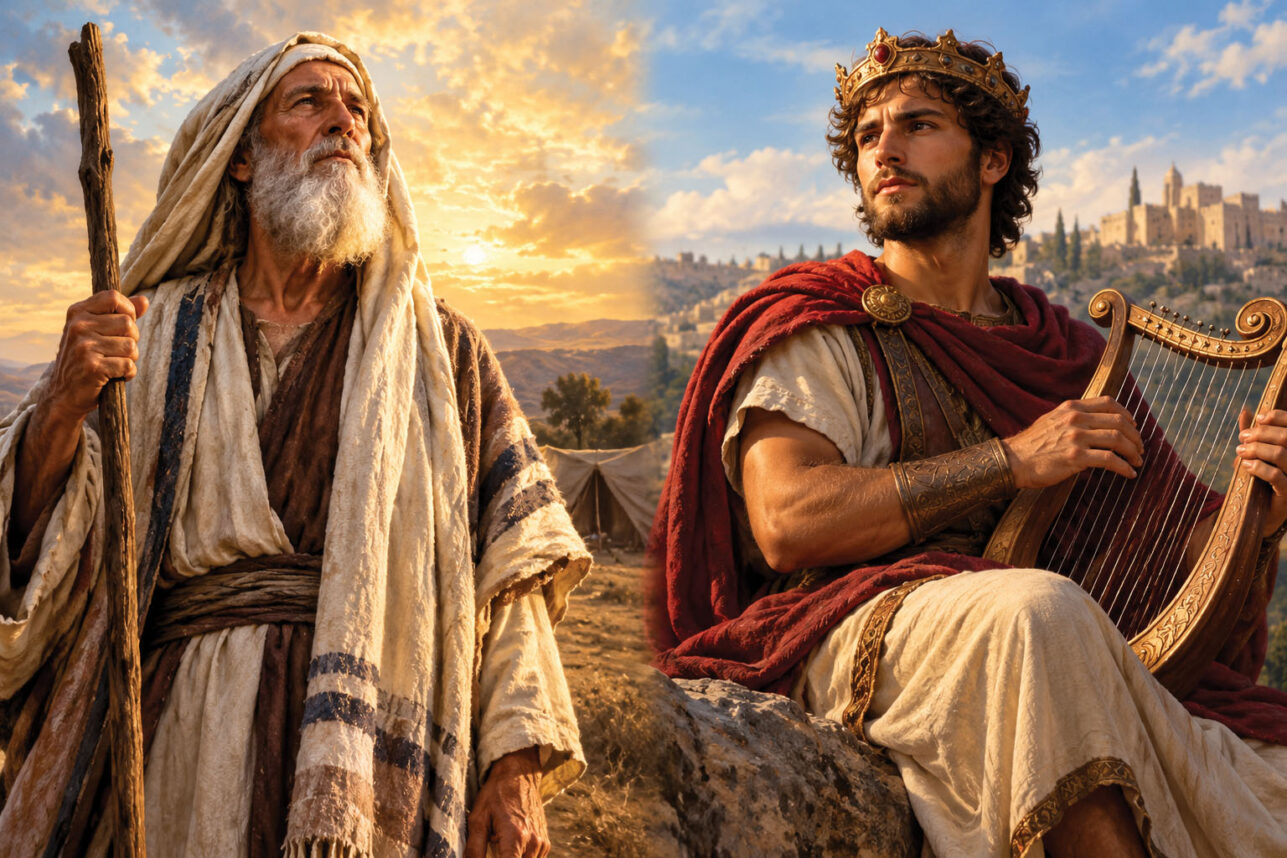
We are at the end of Genesis, the sun setting on the familial component of our Torah as we are about to turn the page toward slavery and nationhood. Jacob is dying and the Talmud, in Bava Metzia 87a, says that this is the first person in the Torah to be described as “ill” before death. Jacob is aware that his end is near and is seeking to bless his children and grandchildren, to offer them words of wisdom, to perhaps correct some of his past mistakes in these final moments of life. However, burdened by the past and operating with the strong rabbinic notion of “the actions of our ancestors are a sign to the next generation,” in the final moment of blessing with his grandchildren, Jacob continues the painful tradition of raising the younger child over the older, a tradition that we have seen in each previous generation, a tradition that Jacob himself, with great cunning and deception, participated in against his brother, Esau.
The scene between Joseph and Jacob in Vayechi is wrought with emotion, depth of character and moving words, as the old and seemingly blind Jacob (remember Isaac?) begins his final blessings for his family with his grandchildren. However, rather than starting the next generation fresh with a positive start, Jacob passes on a tradition that has brought pain to the previous two generations. Seeing this, and in a moment of courage and deep insight that reveals Joseph to truly be the “the righteous man” that the rabbis attribute him to be, Joseph tries to stop his father when he sees him crossing his hands from the older to the younger. Joseph says, “Not so father,” but Jacob, after coming so far and seeing so much, is unable to reverse this trend. Yet, he seems to know something, as he says, in dramatic fashion, “I know my son, I know,” but this knowledge doesn’t lead to action. We are left to think about what this scene means. What does Jacob “know”?
While the traditional commentators all see this moment as a positive one, carrying forth the tradition that sacrificed our biblical families in the name of historical transmission of God’s blessing, I want to offer a different thought based on the alternative blessing that we offer our own children.
When we say, “be who you are and may you be blessed in all that you are,” I believe that we are seeking to empower our children to be as God was to Moshe, “Eheye asher eheye [I will be that which I will be].”
We pray that our children develop in each moment according to their strengths and talents; that they grow, discover and evolve the gifts of their individual souls. Blessing our children is so powerful, so rich in emotional history, that we ought to allow them the freedom to become the people they will be rather than pigeonhole them into fulfilling our ideals as parents or the roles that our family history might have proscribed.
Joseph was attempting to change a family pattern that had caused so much pain, and while he wasn’t fully successful, his awareness of the pattern should be a great lesson to us. And the blessing that Jacob offers, “The angel that has delivered me from all harm, bless these lads,” should be seen as a hope that the greater angels of our life, the angels that encourage us to grow, develop and become who we are, should be the very blessing we offer our children.
I believe that God is constantly evolving, constantly becoming, and so should we. We each deserve to become the unique and holy being that God brought us into the world to be. Let us bless our children each Shabbat to grow into this great opportunity, thereby keeping the wise and righteous spirit of Joseph alive today.
Shabbat shalom.
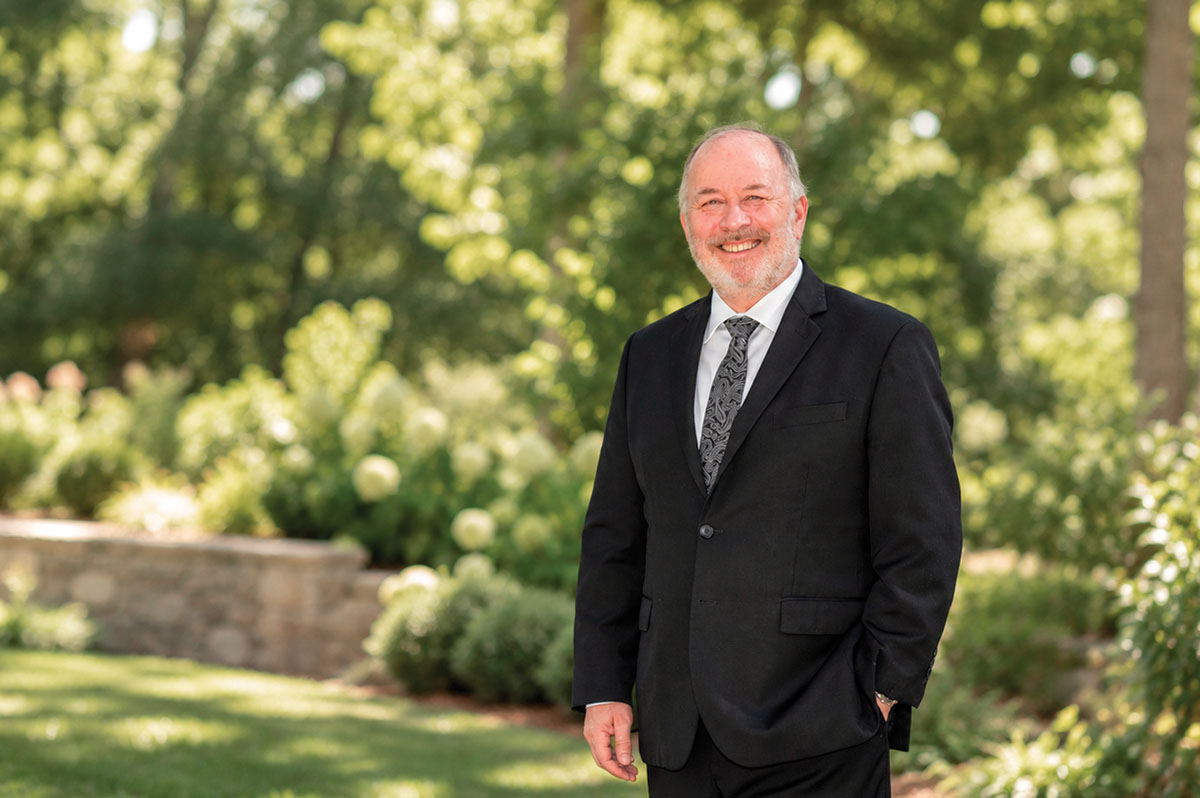
Joshua Levine Grater is senior rabbi at Pasadena Jewish Temple and Center (www.pjtc.net), a Conservative congregation in Pasadena.