In the parsha four weeks ago, Shimon and Levi, sons of Jacob, got the last word. But on his deathbed in this week’s parsha, Jacob has one final opportunity to deliver his rejoinder.
Four weeks ago, we also read of the rape of Dina at the hands of the prince of Shechem, and the account of Shimon and Levi’s slaughter of all the men of Shechem in response to the attack on their sister. When Jacob rebuked his sons for their actions, Shimon and Levi responded with the final words that the Torah records about this episode. “Shall they treat our sister as a harlot?” This raw expression of outrage echoes through the void that this disturbing incident leaves in its wake. For Jacob lacks either the words, or the strength, to respond.
We are tempted to think that Jacob doesn’t respond because he ultimately accepts the legitimacy of his sons’ moral position. They might have argued that the townsfolk’s failure to bring their prince to justice provided sufficient basis for the decision to wipe them out. Alternatively, they might have legitimized the Shechemite slaughter as an act of pre-emptive self-defense that would send an unmistakable message to anyone else considering illicitly taking a daughter of Jacob. Jacob’s years-long silence as to his moral assessment of the events at Shechem, left open the possibility that he accepted their reasoning.
In his final directives to his family though, Jacob returned to this long-open question. As he addressed each of his sons individually, he proclaimed, “Shimon and Levi are brothers; weapons of violence are their wares…. Cursed be their anger for it was fierce, and their wrath, for it was cruel.” With the perspective provided by the passage of time, Jacob saw clearly that his sons had committed murder, plain and simple — that their moral calculation was catastrophically flawed.
He unequivocally condemns their act, and disassociates himself from their violence. The only matter left to probe is what led the brothers to misconstrue the moral quality of the situation.
The clues can be found within the Torah’s description of the brothers’ state of mind at the time. The text reveals that they were not only saddened by what had happened to Dina, but also enraged. It further indicates that they were viewing the situation not as objective observers might, but very specifically as the brothers of the victim would. While both of the phenomena are completely appropriate and normal, they create an atmosphere in which clear moral thinking is impossible. The womb of Shimon and Levi’s moral reasoning was outrage. Its point of departure was personal anguish. From the start, there could only be one acceptable answer to their moral inquiry. The arrow had already been thrust into the target. The only thing they had to do was to draw the bull’s-eye around it.
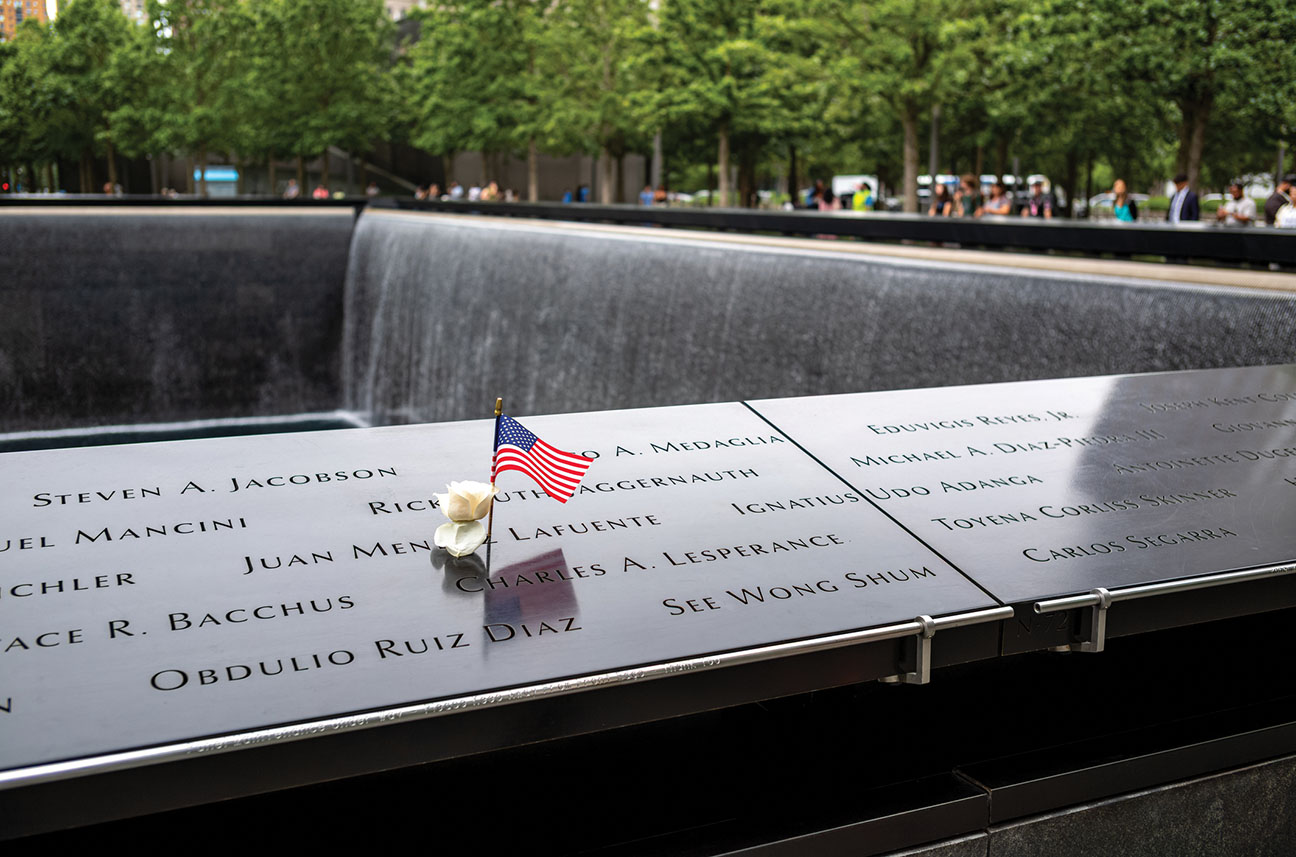
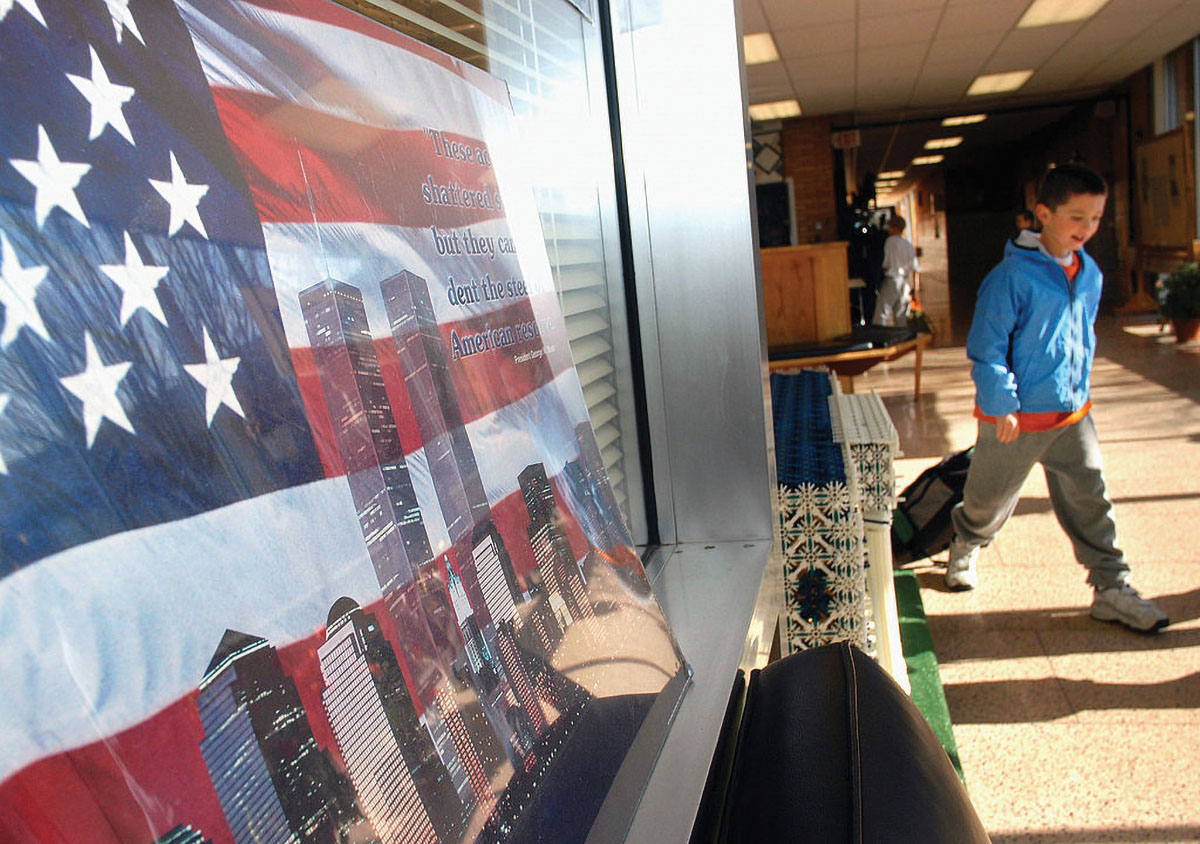
Our nation is presently engaged in a most noble struggle. We are still filled with outrage and personal anguish in the wake of the inhuman attacks on the World Trade Center and the Pentagon. And despite this, we, as a society, are making every effort to formulate our response in the language of our enduring humanitarian values, and not with the urges of our enraged national soul.
From the very first day, we reminded ourselves to not stereotype or assume guilt by association, but to carefully identify who our enemy is. We have not been content to simply destroy the government that bears responsibility, but have led the effort to ensure that the civilians left behind would not face chaos and anarchy. And we are engaged in a healthy debate in Congress and in the media over how to craft a properly balanced approach to the question of how to try suspected terrorists. We strive to take Jacob’s rebuke to heart.
The temptation to simply reason out of anguish is always present in a grieving human community. To resist that temptation is among the most distinguished of human efforts.
Yosef Kanfesky is rabbi pf B’nai David Judea in Los Angeles.