
The syllabus for my USC general education class includes both Shakespeare’s “The Tempest” and Chapters 37-50 of Genesis — the Joseph story or “novella.” These two narratives share themes that commend themselves: forgiveness and reconciliation. Both Prospero and Joseph were set upon by their own brothers and narrowly escaped death. Both protagonists contributed to their victim role — Prospero through neglecting governance and Joseph by insensitive boasting. In the end, though, both forgive those who abused them — enabling their family circle to be repaired and the next generation blessed. Just as Prospero realizes that “the rarer action is in virtue than in vengeance,” so, too, does the instinct for reconciliation surge through Joseph.
Just barely, however. And it is in this week’s parsha where Joseph turns the corner. That turn allows him to be a brother and son while also being himself. In effect, that turn enabled us to become the Jewish people who went out of Egypt and returned to Israel. Such turning is not easy, then or now, within a family or within a people.
The stellar moment of Parshat Vayigash comes when Joseph reveals himself to his brothers: “I am Joseph. Does my father yet live?” (Genesis 45:3).
For me, Joseph’s trumpeting of his individual identity within a complex social situation echoes across the millennia: “It is I, Hamlet the Dane.” “Call me Ishmael.” “I am an invisible man.” We know from literature and our own lives how difficult it can be, not only to forgive those who wrong us, but to be both our parents’ child and our own self. American society keeps struggling to strike the right balance between self and other, healthy individualism and civic cohesion. We could do worse than Joseph as a model, precisely because such balancing does not come easy to him.
Upon reflection, it’s clear that being able to forgive requires the stretching of personal borders and the capacity to take a broad view. Ironically, only a secure person or people can manage such a stretch; only a firm hold on one’s own life thread permits that thread’s being woven into a larger tapestry. Through suffering, Joseph has sloughed off his egotism and gained a clear sense of God’s providence. So matured, he reassures his brothers with great sensitivity: “Do not be distressed or reproach yourselves because you sold me hither; it was to save life that God sent me ahead of you.” He does this while still realistically urging them to “not be quarrelsome on the way” back to their father, Jacob (Genesis 45:4 and 24).
I will not assume that others have as much trouble as I being like the Joseph of Parshat Vayigash. For me, it has not been easy to get beyond familial and other breaches. The struggle continues to transcend resentment for past ills and discern the outlines of a divine plan. On the Jewish level, it can be hard to meet inner needs and participate in community. It is also hard to hold together ahavat Yisrael — the special bond among Jews — with acknowledgment of where we have done wrong, forgiveness of the wrongs that have been done to us and effort to repair the damage and move toward the wholeness that is peace.
All the levels of our lives are linked and require constant tuning. As individuals who belong to families, as American citizens who are members of both the Jewish people and the world order, we have to be able to forgive in order to go forward. From beginning to end, our sacred scripture, the Tanach, records disruption and repair in irregular sequence. Until the Messiah comes, the best we can do is strive toward the enlightenment and clear-sighted resolve displayed by our patriarch Jacob at the end of Chapter 45: “My son Joseph is still alive! I must go and see him before I die.”
This column originally appeared in The Journal on Jan. 5, 2001.
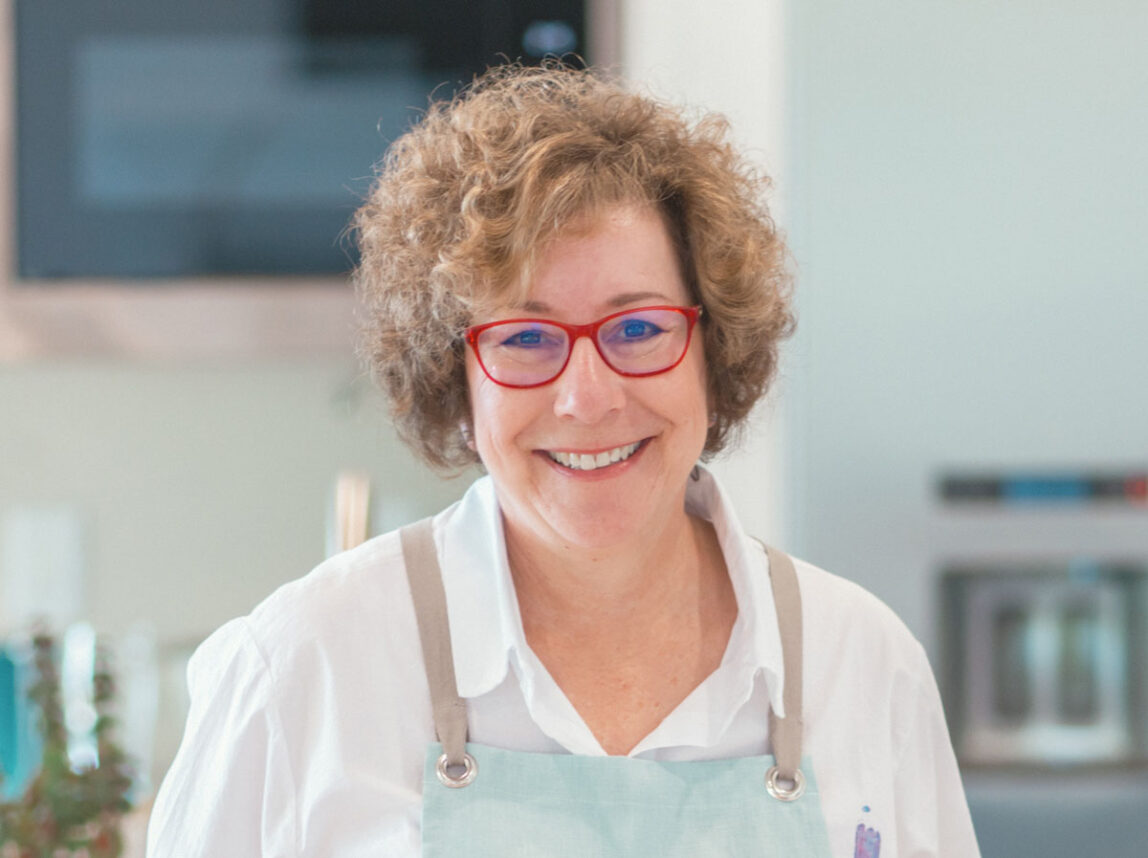
Rabbi Susan Laemmle is dean of religious life at USC.












 More news and opinions than at a Shabbat dinner, right in your inbox.