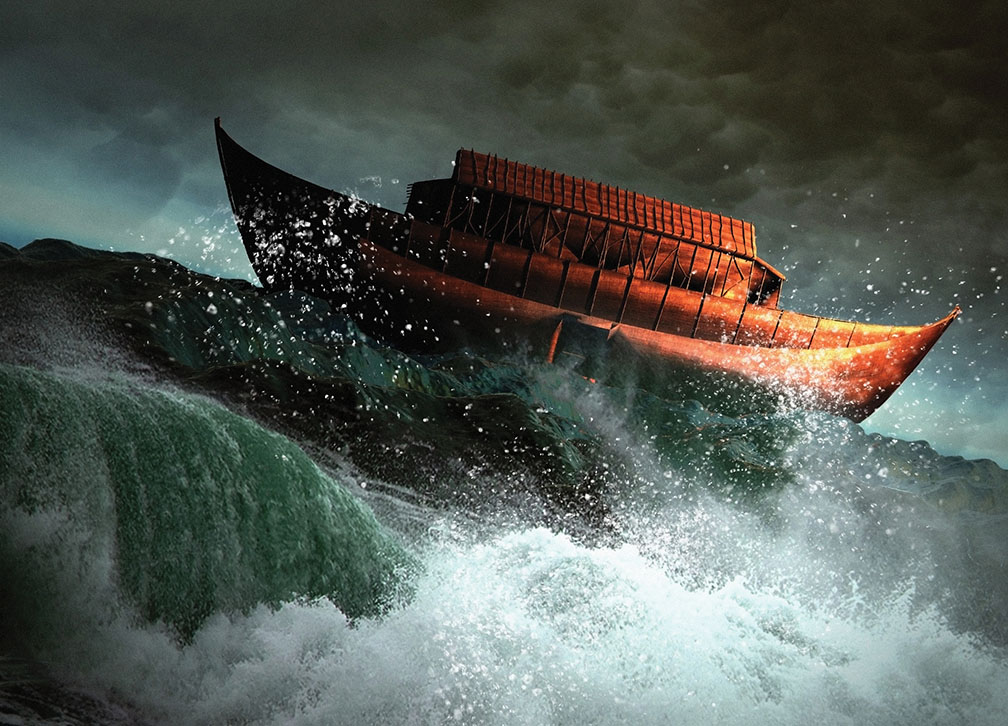
While Paramount’s “Noah” movie has sold plenty of tickets, audience reaction has been mixed. Yet whether people love the film or loathe it, one reaction seemed universal. Viewers have had lots of questions, particularly about how far the movie strays from the biblical text and where the screenwriters, Darren Aronofsky and Ari Handel (both Jewish, though professed atheists), got their ideas.
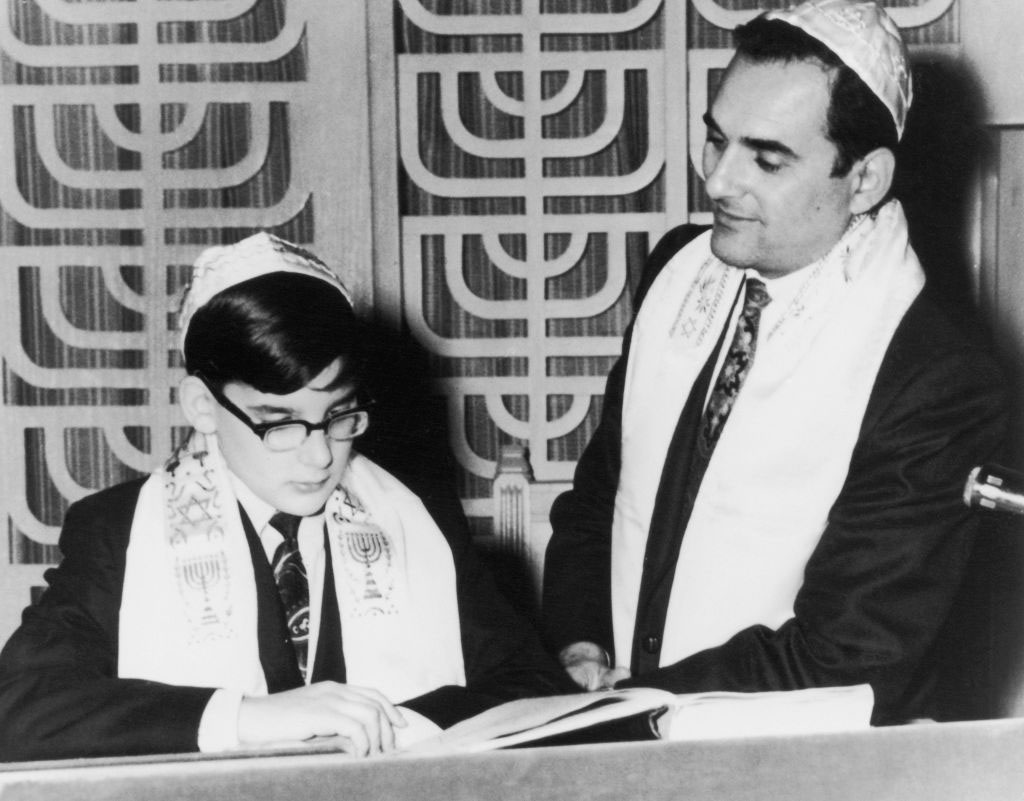
Rabbi Shlomo Yizhaki, the French medieval scholar and commentator better known as Rashi, also had questions about the Noah story, for his writings provide a great many answers. To this day, Rashi is still accepted as the Bible’s most authoritative commentator, and he drew upon the breadth of rabbinic literature (including some no longer extant), to clarify the plain meaning of a text so even a bright child could understand it. At the same time, his work is the basis for many profound legal analyses and mystical discourses.
For almost a thousand years, Jews have begun their Torah studies by asking, “What’s bothering Rashi?”
So what is bothering Rashi about the Noah story? Starting with the simple and concluding with the sublime, let’s look at how he explains some of the difficulties with Noah.
Q: People have children when they’re young; why didn’t Noah father any until he was 500 years old?
A: Because the Holy One restrained him, saying, “If Noah’s descendants are wicked, they will perish in the flood, and it will grieve him. But if they are righteous, he will have to trouble himself by building several arks.”
Q: There are many ways the Holy One could have saved Noah; why did He burden him with constructing an ark?
A: So the wicked might see him building the ark and ask about it, and thus confronted with their impending destruction, they might repent.
Q: Noah saved seven pairs of clean animals and two unclean ones. How did he know which animals were clean before Moses received the Law?
A: Obviously, Noah was acquainted with Torah even before Moses. After all, Torah existed before the Earth was created.
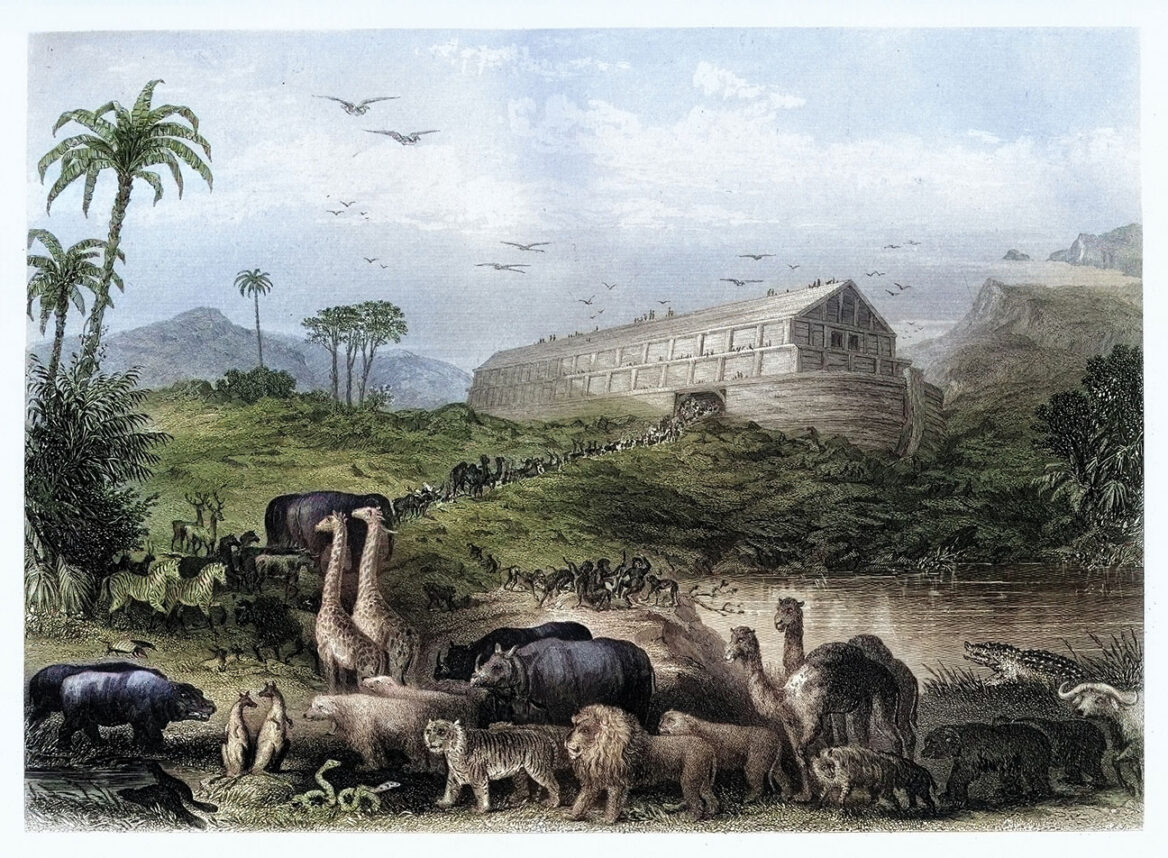
Q: It rained for 40 days and 40 nights, but how long did Noah and all the animals stay in the ark altogether?
A: The rain began to fall on the 17th day of the second month, and one year later, on the 27th day of the second month, the earth had dried sufficiently that the ark’s inhabitants could leave.
Q: How could they stay on the ark so long?
A: Before the flood, the Holy One made a covenant with Noah and the animals such that the fruit and grain to feed them would not spoil, the carnivorous animals would not eat their vegetarian fellows, and the wombs of the females were closed so no babies would be born on the ark.
Q: The Torah says that Ham was cursed because he saw his father’s nakedness after Noah became drunk and uncovered himself. Is this a euphemism for an illicit act, as some scholars insinuate?
A: Ham looked at Noah’s exposed naked body, while his brothers walked backward so they could cover him without gazing at his nakedness.
Now we come to more challenging problems, along with Rashi’s explanations.
Q: What does it mean that Noah is called a righteous man in his generation?
A: Some say to his credit that Noah was righteous even in a generation of wicked men, that he would have been considered still more righteous in a generation of good men. Others say, to his discredit, that in comparison to his own generation he was righteous, but had he lived in the generation of Abraham he would have been of no importance.
Q: Were all the people so wicked that they deserved to be destroyed, even little children?
A: Whenever you find a society of lewdness, idolatry, robbery and corruption, then punishment of an indiscriminate nature comes, hurting both the guilty and the innocent.
(That last answer still resonates today)
Like modern Bible scholars, Rashi noticed that God’s name changes during the narrative. While they postulate the different schools of authorship, Rashi gives us the following explanation: Sometimes, like when the Holy One tells Noah to make an ark because He is going to destroy the Earth along with its corrupt and violent inhabitants, He is Elohim, God of Strict Justice. At other times, like when His heart is grieved and He regrets creating mankind, He is Adonai, God of Divine Mercy.
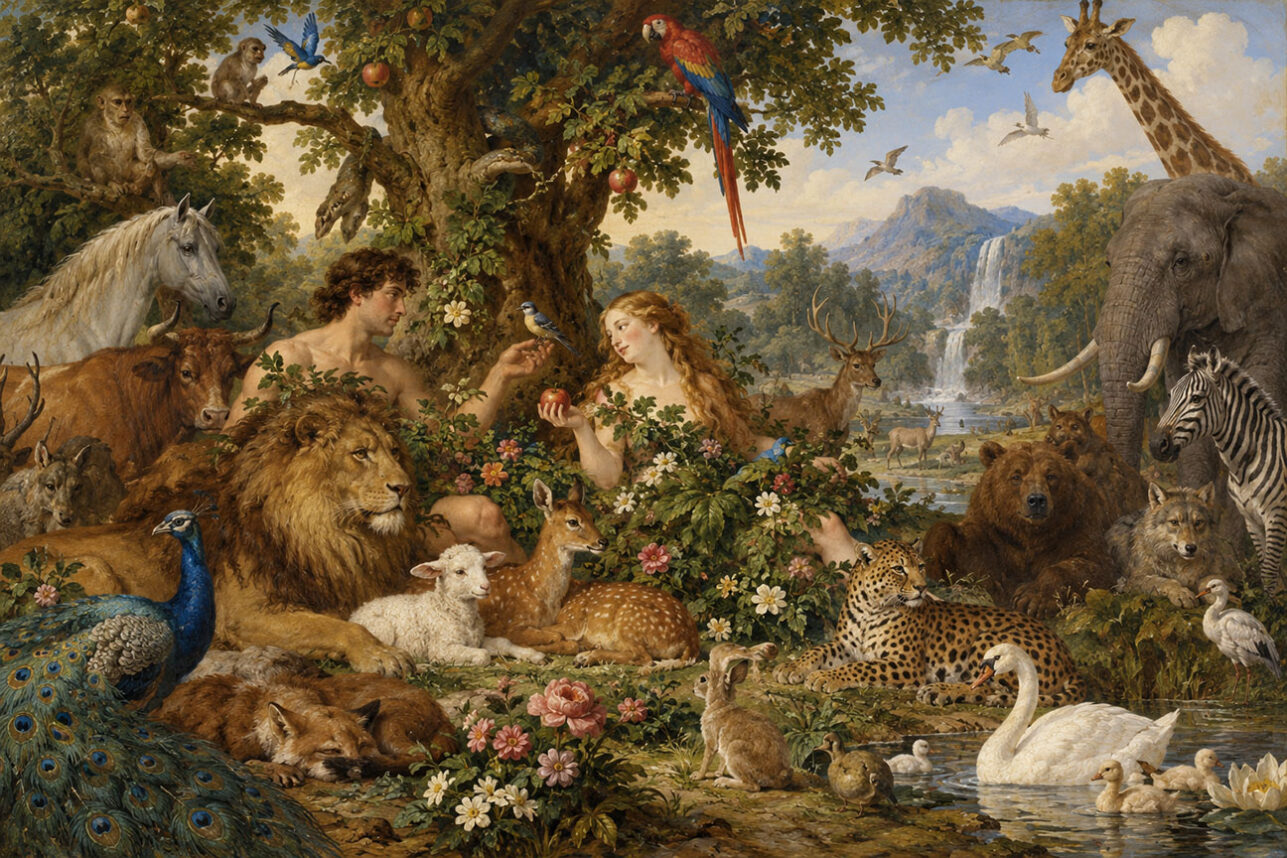
This brings us to one of the most troubling questions, one that has vexed generations of believers in an omniscient God. How could the Holy One regret that He had made humanity and have it grieve His heart? Surely He knew when He created Adam and Eve what would happen to their descendents?
Here Rashi confirms his reputation as appealing to both learned scholars and beginning students, and we see why his commentaries remain a centerpiece of Jewish study. “When a man fathers a son, he rejoices and makes others rejoice with him, even though he knows that his son will sin and grieve him, and that someday his son will die. So too is the way of the Holy One. Although it was clear to Him that in the future men would commit evil deeds and be destroyed, for the sake of the righteous who were to issue from them, He still created humanity.”
Maggie Anton is the author of the historical fiction trilogy “Rashi’s Daughters” and the National Jewish Book Award finalist “Rav Hisda’s Daughter: Book 1 — Apprentice.” Her upcoming book, “Enchantress: A Novel of Rav Hisda’s Daughter,” will be published in September.