












Rosh Hashana is reserved for soulful transformation: Resolving to be something different in the Jewish new year.
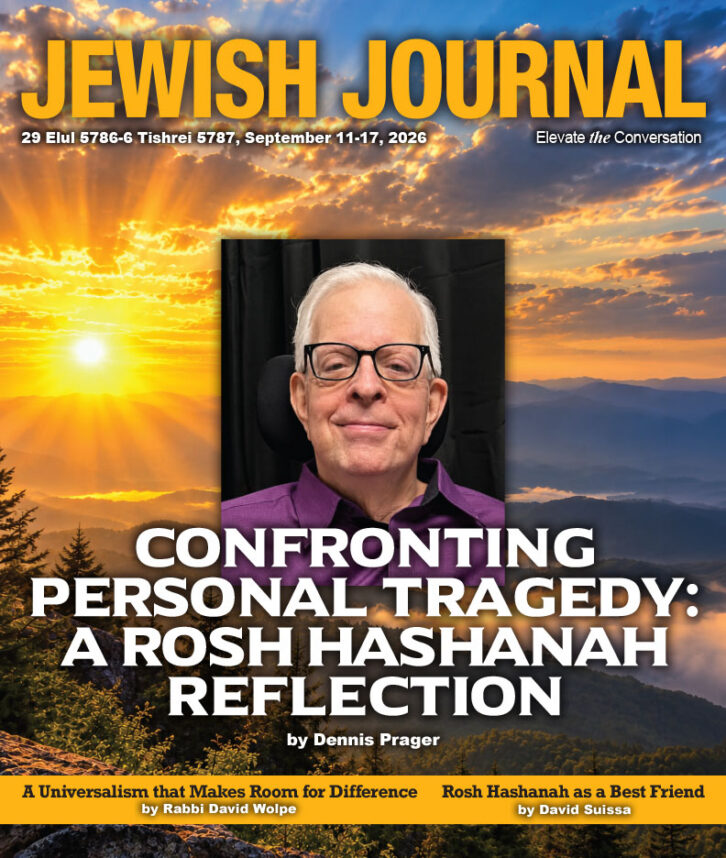
These are among the themes of Rosh Hashanah: Who will live and who will die? Who will suffer and who will prosper? And if I may add a couple of questions of my own: Who will be grateful and who will be ungrateful? Who will complain and who will create?

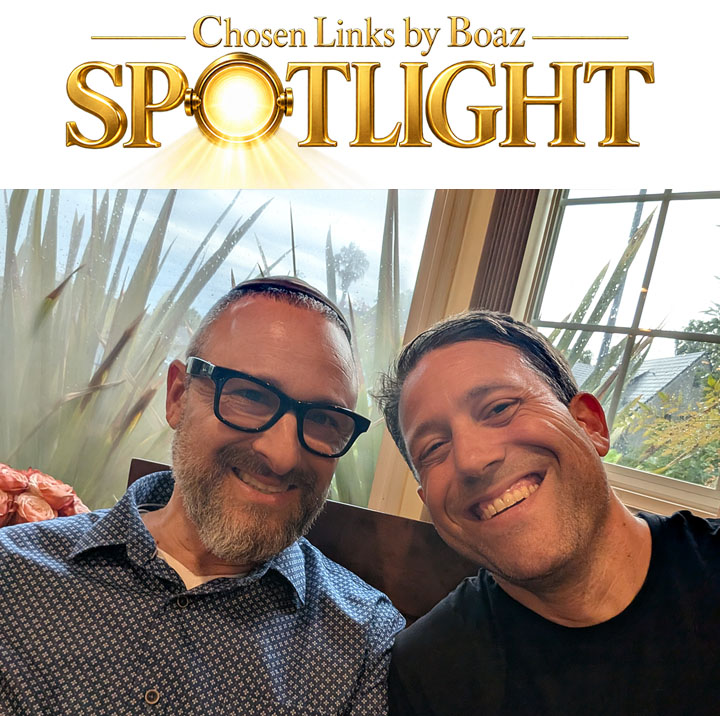
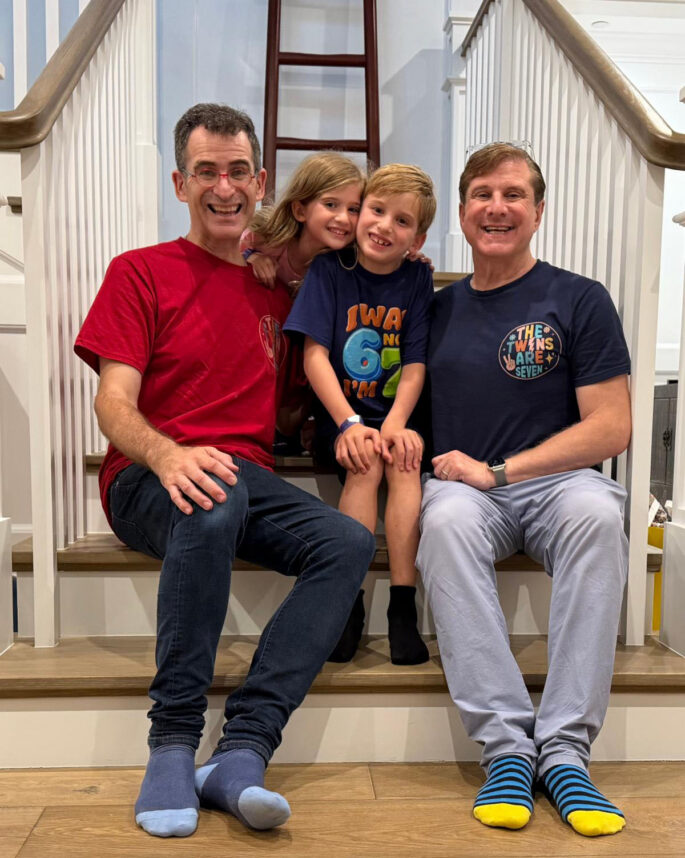
One thing I am sure of: Judea is inarguably a proud Jew, a steadfast member of this multimillennial Jewish Peoplehood. The other is that I love the man, plain and simple.
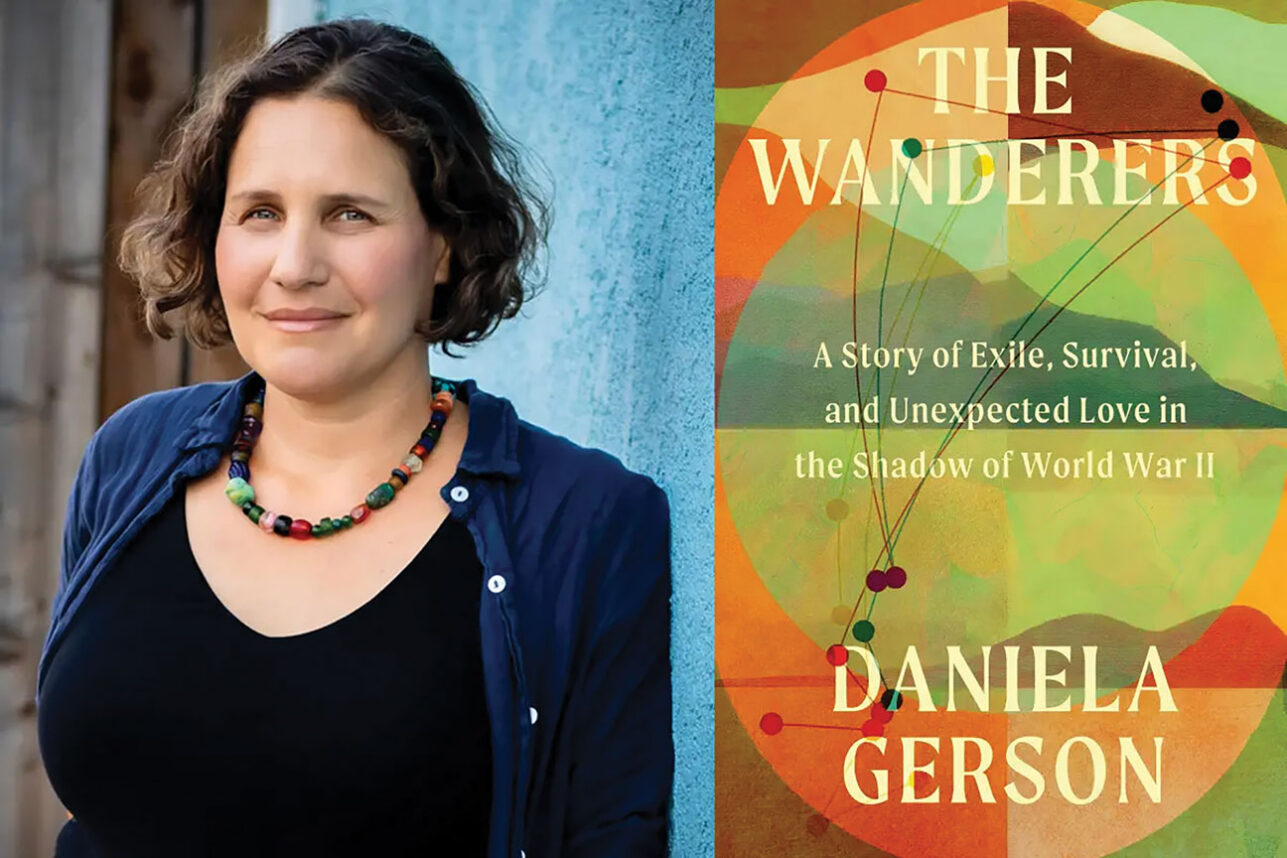
Daniela Gerson’s “The Wanderers” is all that you can ask for from a book. Meticulously researched, exquisitely told, it is an adventure story spanning more than 80 years, even a love story.
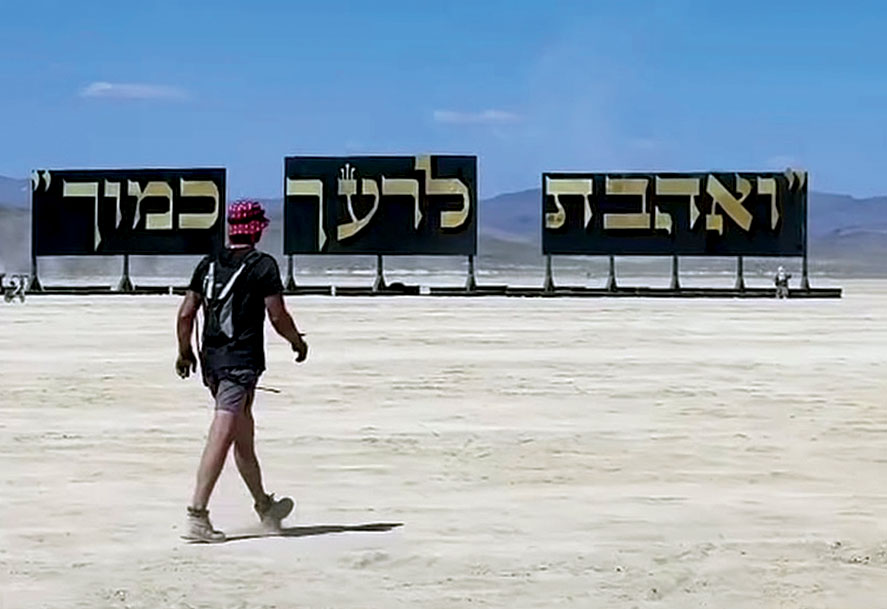
The project was organized by the Nova Tribe Community Association, the nonprofit created after Oct. 7, by producers of the Nova festival to support survivors and bereaved families and commemorate those murdered.
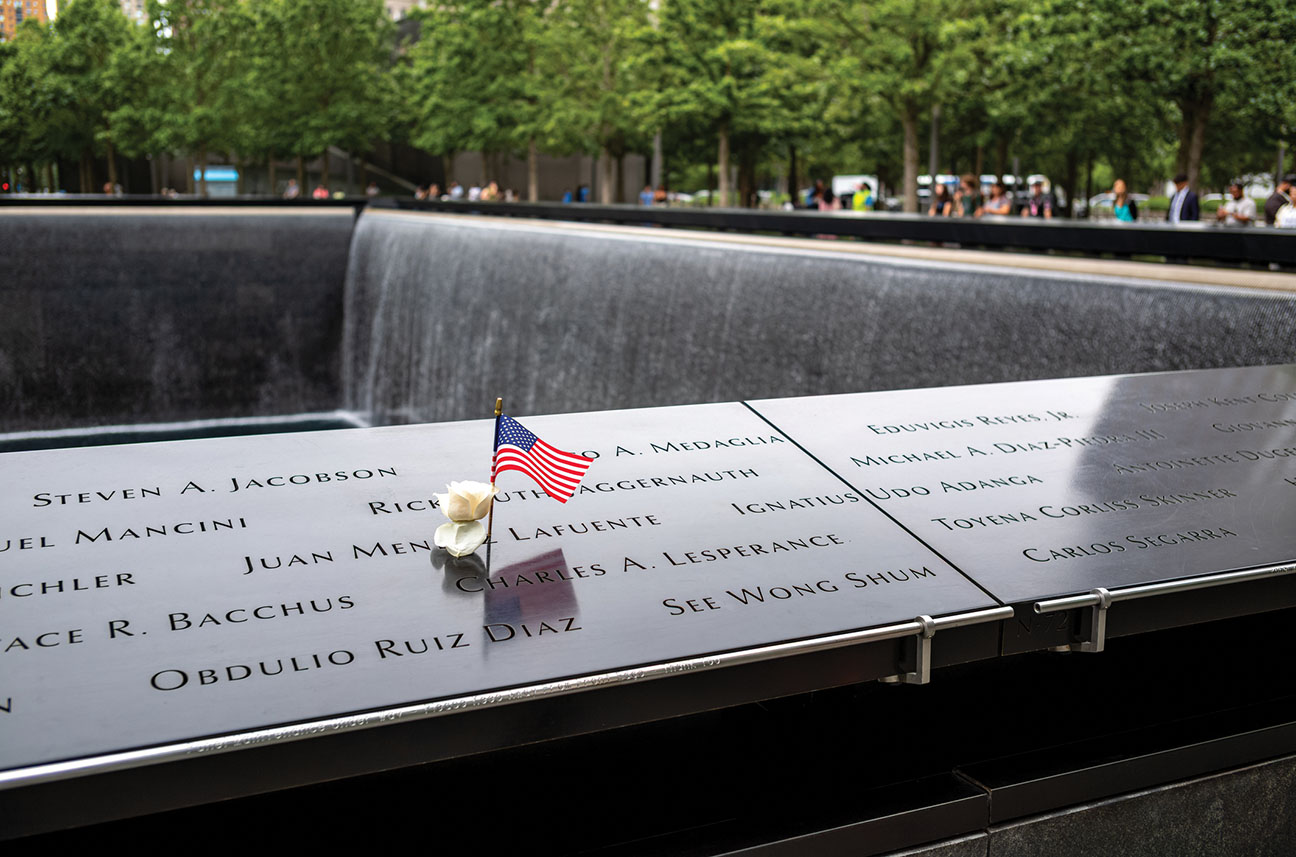
Assume the next surprise attack is only a matter of time, and use that time to make it harder to carry out and less catastrophic when it comes.
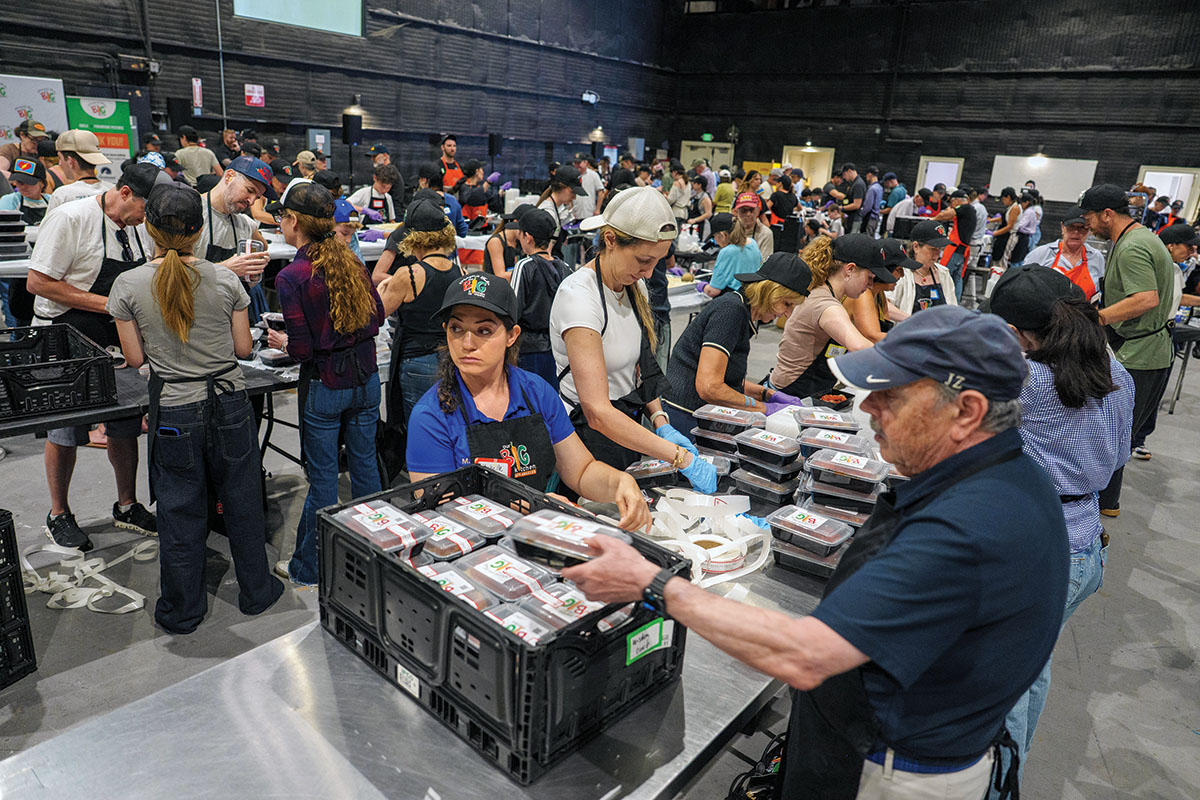
OBKLA has welcomed more than 80,000 volunteers, including students, synagogue and church groups, corporate organizations, top leadership teams from companies such as Netflix and Amazon and, of course, celebrities.
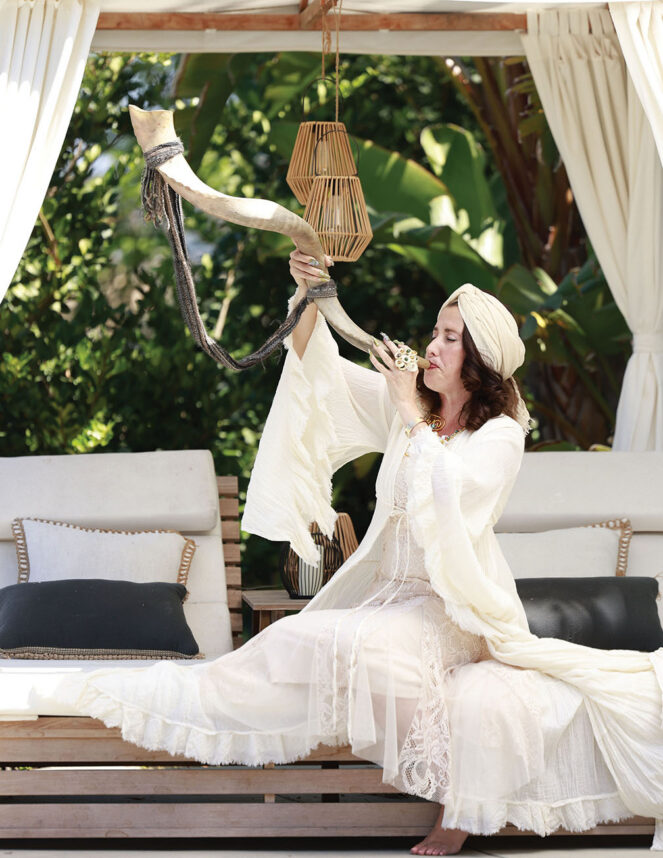
Through poetic reflections, Torah wisdom and personal stories, Salem explores the shofar as a tool for mindfulness, healing, surrender and inner transformation.
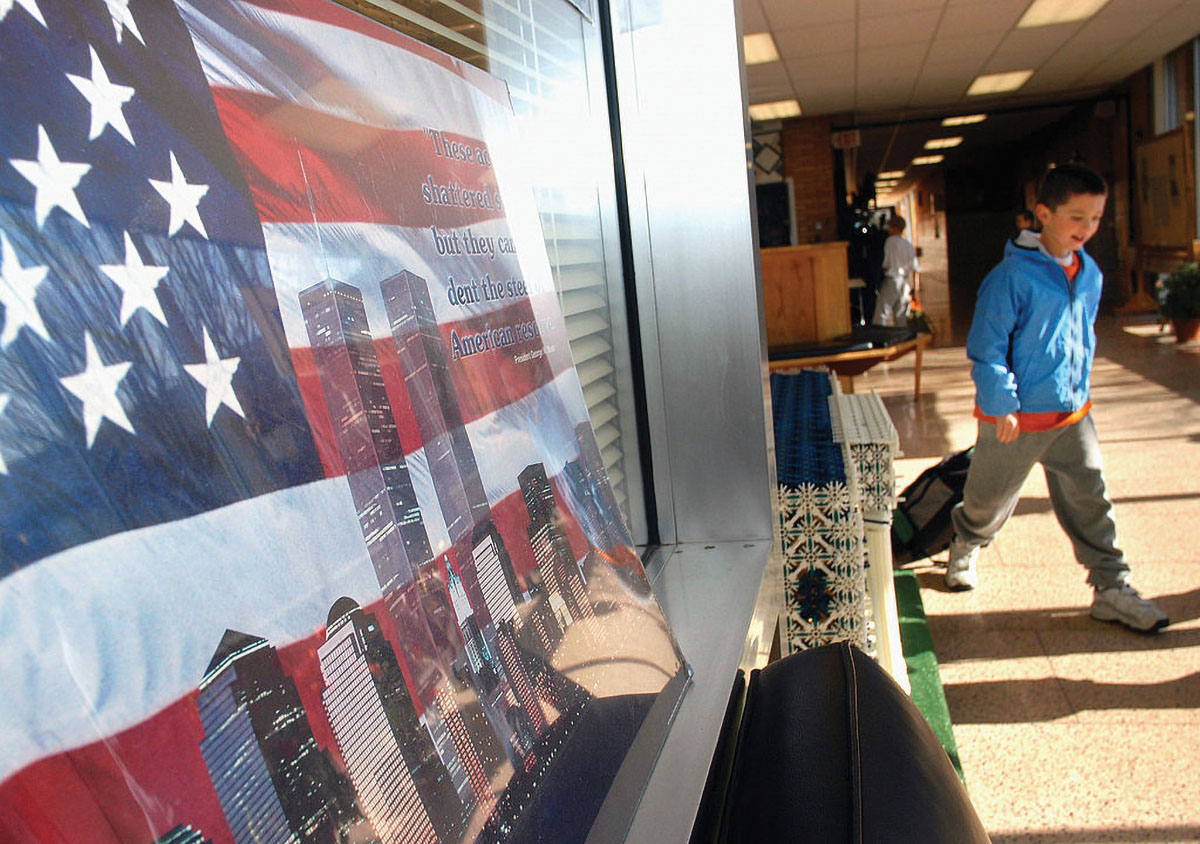
Islamist terrorism remains a threat to the United States, the West, and the Jewish people. We cannot allow the history of September 11 to be twisted into an indictment of the society that was attacked.
God Remembers

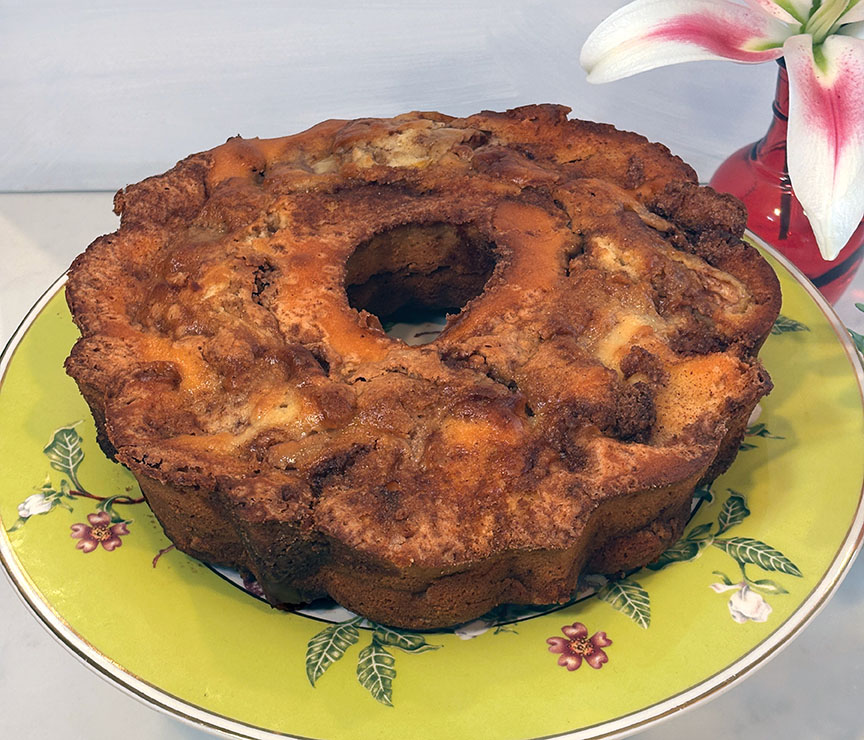
I’m telling you that there’s something special about this apple cake and the way that it just melts in your mouth.

This ideological pogrom eerily mapped out the antizionism mania that has now hit America’s shores, using the noble fights against racism, colonialism and oppression for ignoble ends.
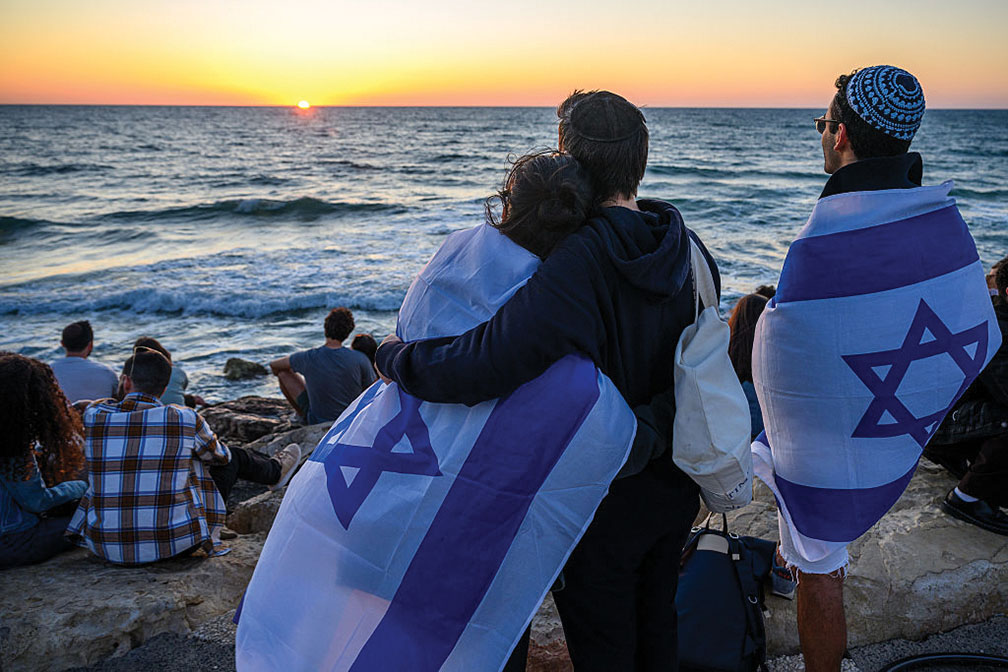
A blessing looks forward. An assessment looks back. This week, we asked Israelis to look back.
